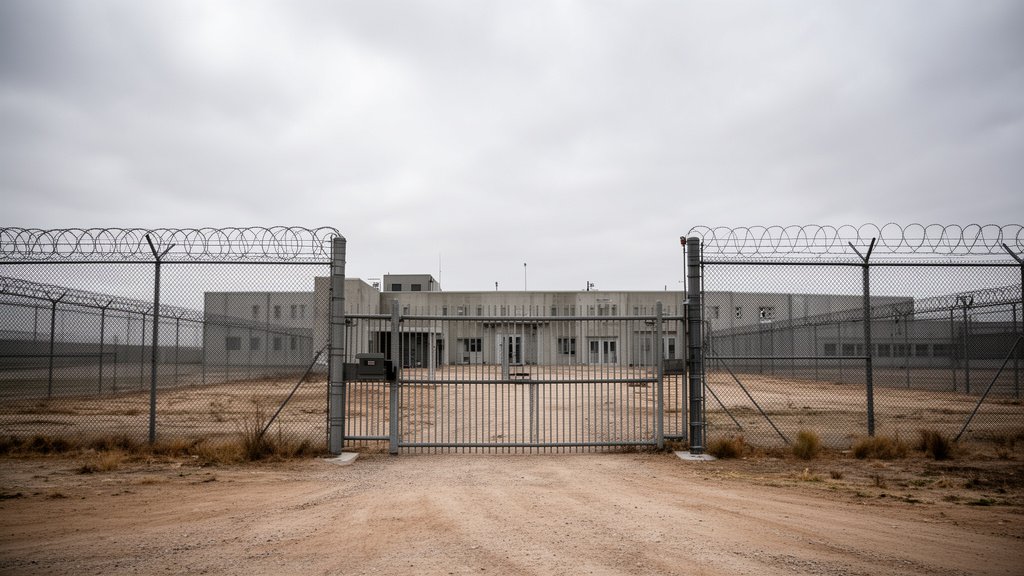
The detention of two 5-year-old children in Texas and Minnesota by U.S. Immigration and Customs Enforcement (ICE) has ignited a fresh wave of scrutiny regarding current immigration enforcement strategies. This development comes on the heels of data confirming that ICE arrests reached record highs in July, an escalation that experts argue signifies a widening gap between stated administrative priorities and the reality of field operations.
Key Highlights
- Child Detention Cases: A report by The Wren Collective details the specific detention of two 5-year-old children in Texas and Minnesota, highlighting the operational realities of current immigration enforcement.
- Record Arrest Volumes: ICE arrest numbers surged to record highs in July, suggesting an aggressive shift in enforcement tempo across the country.
- Non-Criminal Detainees: A significant portion of those recently detained by ICE reportedly lack criminal records, complicating the official narrative that agency efforts are primarily focused on national security threats.
- Systemic Implications: The intersection of record-high enforcement volume and the inclusion of vulnerable populations like young children raises critical questions about resource allocation and agency oversight.
The Rising Cost of Enforcement: Analyzing the Latest ICE Trends
The U.S. immigration system has long existed in a state of flux, but the latest data from The Wren Collective points to a concerning pivot in how enforcement is executed on the ground. When ICE was established, its mandate was ostensibly clear: target those who pose a legitimate threat to public safety or national security. However, the recent documentation of 5-year-old children being held in detention centers across Texas and Minnesota serves as a visceral counter-narrative to that mission statement. These are not isolated administrative errors; rather, they reflect an operational dragnet that has widened significantly.
The Disconnect Between Policy and Practice
For years, the Department of Homeland Security (DHS) and ICE leadership have oscillated between prioritizing high-risk targets and conducting broader, more sweeping enforcement actions. The July data, which saw arrests peak at historic levels, suggests that the pendulum has swung decisively toward the latter. When detention numbers rise sharply, the nuance of individual cases is often lost. The detention of these two specific children—one in the border state of Texas and another in Minnesota—illustrates the indiscriminate nature of these enforcement surges. When field agents are incentivized or pressured to meet high arrest quotas, the result is an inevitable encroachment on vulnerable populations who fall outside the scope of traditional threat assessments.
The ‘Non-Criminal’ Dilemma
Perhaps the most striking finding in the analysis is the high volume of detainees who possess no criminal record whatsoever. This finding strikes at the core of the political debate surrounding immigration. If the agency’s stated goal is to remove individuals who represent a danger to society, the arrest of non-criminals suggests a misallocation of federal resources. Legal advocates and human rights organizations argue that this approach creates a humanitarian crisis that disproportionately affects families and, in these recent cases, children who are ill-equipped for the environment of a detention facility. The bureaucratic machinery that processes these arrests does not distinguish between a long-term resident with clean record and a violent offender, and this lack of distinction is becoming increasingly apparent in the data.
Operational Pressure and Agency Fatigue
Behind the headlines of record arrests lies a logistical reality that is rarely discussed: the strain on the immigration detention system. Processing thousands of additional detainees requires immense resources—facilities must be staffed, medical checks performed, and legal procedures followed. The record-breaking figures from July indicate that ICE is running at peak capacity, which inevitably leads to corners being cut. The detention of young children in such an environment is a symptom of a system that is struggling to manage the sheer volume of its output. As facilities become overcrowded, the margin for error shrinks, leading to the types of systemic failures currently being highlighted by organizations like The Wren Collective.
The Future of Immigration Enforcement
Looking ahead, the administration faces a binary choice. It can continue to rely on the current strategy of high-volume enforcement, which produces impressive metrics but carries severe human and moral costs, or it can fundamentally restructure its enforcement priorities to better align with the reality of those being caught in the net. The public outcry over the detention of the 5-year-olds in Texas and Minnesota is likely just the beginning. As more data emerges, the pressure on the Department of Homeland Security to justify these enforcement actions will only intensify. Ultimately, the question for the federal government is whether these statistics—a ‘record high’—are a measure of success or a metric of a system operating beyond its intended scope.
FAQ: People Also Ask
Q: What is The Wren Collective?
A: The Wren Collective is an organization that focuses on research and policy analysis regarding the criminal legal system and immigration enforcement, often providing data-driven critiques of current governmental practices.
Q: Why are 5-year-olds being detained by ICE?
A: According to recent reports, these children were caught up in broader, sweeping enforcement operations. Their detention highlights the indiscriminate nature of current arrest strategies that often fail to adequately filter for vulnerable populations or non-criminal individuals.
Q: What does ‘record arrests’ mean in the context of this report?
A: It refers to the statistical surge in July where the volume of arrests conducted by ICE reached unprecedented levels, which critics and analysts cite as evidence of an aggressive and wide-ranging enforcement campaign.
Q: Does ICE only arrest individuals with criminal records?
A: No. The data highlighted by The Wren Collective and other advocacy groups shows that a significant percentage of those currently being detained by ICE have no criminal record, challenging the assertion that enforcement is strictly focused on public safety threats.