California’s emergency preparedness systems are on high alert as the Governor’s Office of Emergency Services (Cal OES) activates the state’s multi-agency emergency protocol, strategically prepositioning vital resources across critical counties, including Ventura, ahead of the season’s most intense storm front. This preemptive mobilization is a signature of California’s evolving disaster response strategy, designed to ensure that swiftwater rescue teams, heavy fire engines, and specialized personnel are already on the ground before the first drop of rain falls in high-risk zones.
Key Highlights
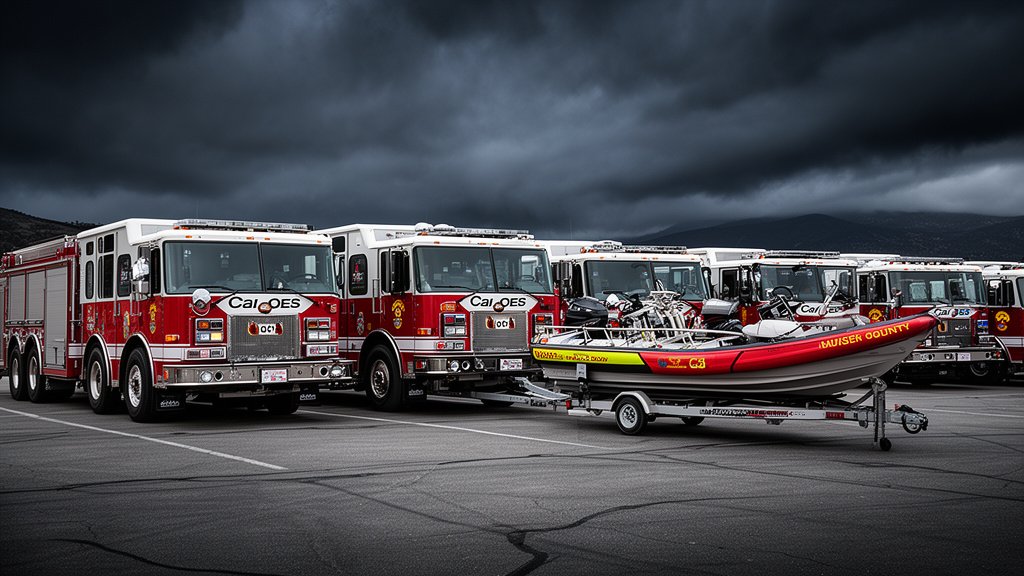
- Strategic Staging: Cal OES has deployed specialized swiftwater rescue teams and engines to key counties to ensure immediate availability.
- Mutual Aid Activation: The operation relies on the California Fire and Rescue Mutual Aid System (F&RMA), which coordinates cross-county resource sharing.
- Vulnerability Focus: Deployment priorities are set based on National Weather Service (NWS) data, with a heavy focus on recent wildfire burn scars prone to mudslides and flood-prone coastal regions.
- Reduced Response Windows: By prepositioning assets, the state effectively eliminates the lag time associated with mobilizing teams from distant jurisdictions during active storm conditions.
The Strategic Architecture of Preemptive Disaster Response
The decision to preposition resources is not merely a logistical maneuver; it is a calculated response to the increasing severity of atmospheric rivers and winter storm events in California. In the past, emergency response often followed a reactive model, where resources were mobilized only after a specific incident was reported. However, the operational philosophy of the California Governor’s Office of Emergency Services (Cal OES) has shifted toward an anticipatory stance. This evolution is necessitated by the compressed nature of modern extreme weather events, where the window between “weather watch” and “emergency event” is often razor-thin.
The Mechanics of Forward Deployment
When Cal OES identifies a high-probability event—such as the massive storm front currently tracking toward Southern California—it initiates a coordinated deployment schedule. This involves moving personnel and hardware from areas with lower immediate risk to those expected to bear the brunt of the weather. For counties like Ventura, which face a complex topographical mix of mountain runoff zones and vulnerable coastal infrastructure, having “boots on the ground” before the storm hits is a lifesaver.
These resources are not just generic support; they are highly specialized. Swiftwater rescue teams are trained specifically for the hazards of rapidly rising floodwaters, which are common in Ventura County’s canyons and riverbeds. When these teams are prepositioned, they can execute a rescue mission in minutes rather than hours, an operational advantage that often dictates the difference between a successful intervention and a tragedy.
The Anatomy of the Mutual Aid System
Central to this effort is the California Fire and Rescue Mutual Aid System (F&RMA). This system represents the backbone of California’s emergency response capability. It allows for a seamless, state-wide integration of local, state, and federal assets. When Cal OES initiates a mission assignment, it isn’t just sending state employees; it is leveraging the collective capacity of local fire departments from across the state. These departments sign agreements to provide engines, specialized rescue crews, and command staff to the state pool when requested.
This system ensures that even smaller or rural counties that might be overwhelmed by a major flood event are bolstered by the combined resources of the entire state. The mobilization currently underway is a testament to the strength of these agreements, demonstrating that the organizational infrastructure of California’s emergency management is as robust as its physical response teams.
The Secondary Angles: Risk, Economics, and Environment
To understand the full scope of this deployment, one must look at three critical secondary angles that define the modern emergency landscape.
1. The Economic Efficiency of Prevention: Emergency response is notoriously expensive, but disaster recovery is exponentially more costly. By spending the capital to preposition resources, the state is making a proactive investment. The cost of a few days of staged fire engines and rescue teams is negligible compared to the long-term economic drain of infrastructure collapse, home destruction, and the logistical nightmare of post-disaster rescue operations. It is a philosophy of paying upfront to avoid paying the “disaster premium” later.
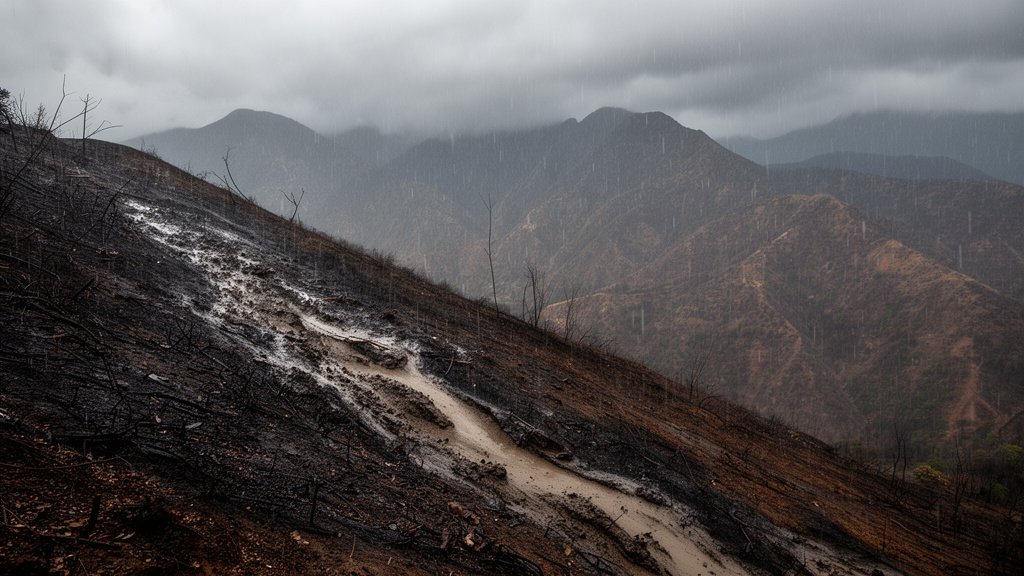
2. The Burn Scar Phenomenon: A major component of the current strategic calculation involves wildfire burn scars. When fire sweeps through a forest, it strips the land of vegetation, essentially creating a landscape that cannot absorb rain. Consequently, the first major storms after a fire season are the most dangerous. This creates a specific, predictable geography of risk that Cal OES planners map with extreme precision. Prepositioning in these areas is a direct response to the long-term impacts of climate-induced wildfire frequency.
3. Atmospheric Rivers and Data-Driven Planning: We are moving into an era of “Data-Driven Meteorology,” where the state collaborates closely with the National Weather Service (NWS) and the Department of Water Resources. The decision to preposition is no longer based on guesswork; it is based on predictive modeling that can identify the exact localized areas at risk of flash flooding. This technological integration allows for surgical precision in deployment, ensuring that resources aren’t just sitting in a county, but are stationed in the specific neighborhoods that require them.
FAQ: People Also Ask
How does Cal OES decide which counties get resources?
Cal OES relies on predictive modeling from the National Weather Service, historical data on flood/mudslide risk, and direct communication with local Office of Emergency Services in each county. They prioritize regions where the potential for life-safety incidents is highest.
Is this deployment just for fires?
No. While Cal OES is heavily associated with wildfire response, the “prepositioning” protocol applies to any major threat, including atmospheric rivers, flooding, and earthquake aftershocks. The assets deployed—such as swiftwater teams—are specifically tailored to the expected hazard.
What should residents do during these storms?
Residents should monitor their local county emergency alert systems, heed all evacuation orders immediately, and avoid driving through flooded roadways. Even with prepositioned resources, the best defense is personal preparedness and adherence to local safety warnings.
Are these resources state-funded?
Yes, Cal OES manages the mission assignments under the state’s emergency authority, which allows for the mobilization of resources across jurisdictions. The state provides the funding mechanism to reimburse local agencies for their participation in these mission assignments.