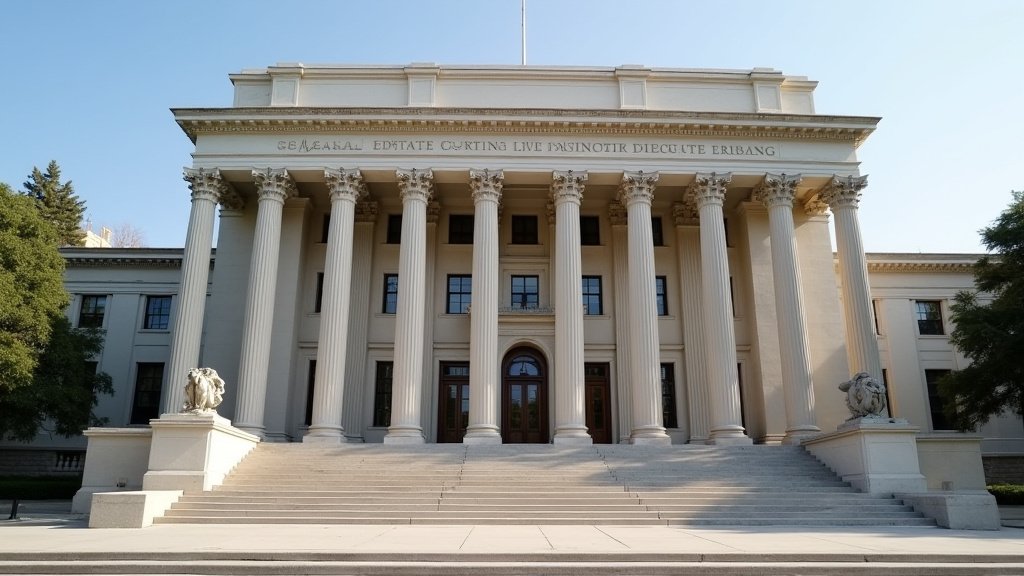
The legal machinery surrounding post-disaster reconstruction is grinding into motion once again in Pasadena, as defendants charged with unlicensed contracting in the aftermath of the Eaton Fire are set to return to the Pasadena Superior Court. This procedural milestone is not merely a bureaucratic checkbox; it serves as a high-stakes signal from prosecutors and regulatory agencies that the era of ‘disaster chasing’ in fire-prone regions is facing a zero-tolerance policy. As the Altadena community continues to navigate the complexities of rebuilding, the court’s focus on these specific cases underscores a broader, statewide commitment to shielding vulnerable residents from the predatory financial schemes that often follow wildfire devastation.
Key Highlights
- Return to Court: Defendants accused of unlicensed contracting within the Eaton Fire disaster zone are scheduled for preliminary hearings at the Pasadena Superior Court, signaling a shift toward active trial phases.
- Increased Scrutiny: Prosecutors are leveraging strict enforcement of California’s Business and Professions Code to target contractors operating without valid licenses in disaster-declared regions.
- Consumer Protection Priority: The legal action highlights the critical importance of verified contractor credentials, aiming to prevent the financial and emotional toll of ‘reconstruction fraud’ on fire survivors.
- Regulatory Coordination: The cases represent a collaborative effort between the Contractors State License Board (CSLB), the Los Angeles County District Attorney’s office, and local law enforcement to stabilize the post-disaster market.
The Legal Frontline of Reconstruction Fraud
The return of these cases to the Pasadena courtroom is a pivotal moment for the Altadena area. While the immediate focus remains on the specific defendants linked to the Eaton Fire disaster zone, the legal proceedings carry a weight that extends far beyond individual charges. When a wildfire strikes, the immediate aftermath creates a vacuum—a desperate, time-sensitive environment where homeowners are overwhelmed by grief, loss, and the sudden, urgent need to secure their properties. This environment, unfortunately, acts as a magnet for bad actors.
The Anatomy of Disaster-Zone Enforcement
Prosecuting unlicensed contracting in a disaster zone is fundamentally different from standard enforcement. Under California law, performing contracting work on a project valued at $500 or more (including labor and materials) without a valid license is a criminal offense. However, in the context of a declared disaster, the stakes are elevated. Prosecutors often seek enhanced penalties, arguing that these crimes exploit a population already suffering from trauma. The Eaton Fire cases currently before the Pasadena Superior Court are being scrutinized to ensure that the regulatory environment remains robust, effectively turning these trials into a deterrent for future ‘fly-by-night’ operations that promise quick repairs but often deliver subpar work or, worse, complete financial abandonment.
The Role of the Contractors State License Board (CSLB)
The CSLB has become an increasingly central entity in these proceedings. By coordinating with local law enforcement, the Board acts as a technical advisor to the District Attorney, providing the investigative data required to prove a pattern of illicit activity. In the Altadena cases, evidence suggests a meticulous gathering of documentation—comparing contractor claims against official licensing databases and examining contracts for compliance with the mandatory disclosures required for home improvement projects. This collaboration is the backbone of the prosecution’s strategy, ensuring that the legal arguments are supported by ironclad technical evidence.
The Ripple Effect of Illegal Contracting
The economic and social fallout of unlicensed contracting in fire-ravaged communities is profound. It is not just about a project failing or a roof being improperly patched; it is about the long-term viability of the community’s recovery. When unlicensed individuals infiltrate the reconstruction process, they undercut honest, licensed, and bonded contractors who follow the rules, maintain workers’ compensation insurance, and adhere to building codes.
Economic Distortion and Market Impact
When unlicensed entities flood a disaster area, the legitimate market is distorted. Licensed contractors, who bear the overhead of compliance and professional standards, often find it difficult to compete with the artificially low prices offered by those cutting corners. This, in turn, can slow down the overall recovery process. If an unlicensed contractor abandons a project midway through, the homeowner is often left with an incomplete structure, an depleted insurance payout, and a legal nightmare. The Pasadena Superior Court proceedings aim to rectify this imbalance, signaling to the industry that shortcuts during reconstruction will not be tolerated.
Ensuring Future Resilience
The broader secondary angle to this legal saga is the future of fire-zone enforcement. There is growing discussion among policymakers about integrating real-time license verification technology into the building permit application process in high-risk zones. By automating these checks, cities like Pasadena can prevent unlicensed contractors from ever securing the initial permits required to start work. The cases now moving through the court system are providing the evidentiary framework to support these stronger, more preventative policies.
Navigating Reconstruction: A Guide for Homeowners
For residents still recovering from the Eaton Fire, or any future event, the legal proceedings offer a somber reminder: due diligence is the best defense. Homeowners must verify licenses via the CSLB website, insist on a written contract that includes all mandatory consumer protection disclosures, and never pay more than 10% or $1,000—whichever is less—as a down payment. These simple, administrative steps are the first line of defense against the very criminals currently facing trial.
FAQ: People Also Ask
Q: Why are these specific contracting cases being prioritized in court?
A: Prosecutors prioritize these cases because wildfire recovery creates a unique power imbalance. Exploiting residents during a state of emergency is viewed as a significant aggravating factor, leading to enhanced focus from the District Attorney’s office to protect the community’s recovery efforts.
Q: What is the penalty for unlicensed contracting in a disaster zone?
A: In California, unlicensed contracting is generally a misdemeanor, but it can be charged as a felony depending on the circumstances, particularly if it occurs within a declared disaster area or involves fraud, resulting in potential jail time, significant fines, and restitution orders.
Q: How can homeowners protect themselves during post-fire reconstruction?
A: Always verify a contractor’s license at CSLB.ca.gov, check that they carry active workers’ compensation insurance, insist on a signed written contract, and avoid paying large cash deposits upfront. Legitimate contractors will always be happy to provide their license number upon request.
Q: Are these cases unique to the Altadena Eaton Fire?
A: No, these cases are part of a broader, statewide effort. However, the specific proceedings in Pasadena are critical because they establish local legal precedents for how disaster-related fraud cases are litigated in Los Angeles County, effectively setting a template for future enforcement.