New York has officially solidified its position at the forefront of digital consumer protection, becoming the first state in the nation to enact legislation prohibiting the sale of specific generative AI-powered toys. Signed into law in 2026, the mandate targets devices that utilize voice synthesis and adaptive learning systems deemed high-risk for children’s privacy and psychological development. This legislative milestone forces toy manufacturers to re-evaluate the integration of advanced artificial intelligence into play-based products, establishing a rigorous new standard for safety in the age of intelligent consumer electronics.
Key Highlights
- Scope of Regulation: The law explicitly prohibits toys capable of generating real-time voice synthesis and those that utilize adaptive learning algorithms to modify behavior based on a child’s interactions.
- Privacy First: Regulators identified significant risks regarding the harvesting of biometric data and the potential for “persuasive design” to manipulate minor users.
- National Precedent: As the first state to codify these restrictions, New York is expected to trigger a wave of “copycat” legislation across other states, potentially forcing federal action.
- Enforcement: The New York Attorney General’s office has been granted expanded powers to investigate toy manufacturers and levy significant fines against companies failing to comply with the new safety benchmarks.
The Digital Safeguard: How New York’s AI Toy Ban Rewrites Consumer Protection
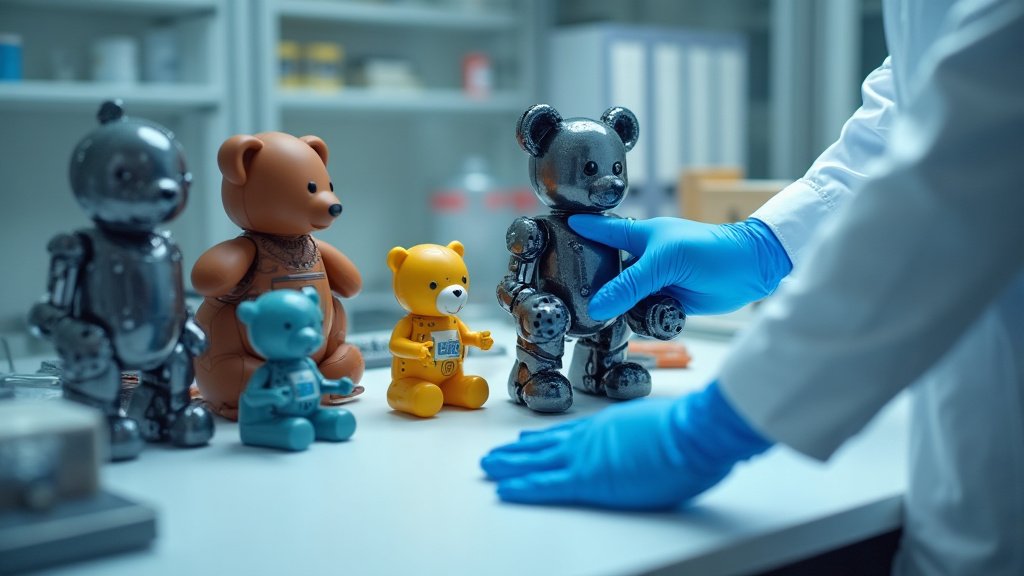
The arrival of generative artificial intelligence in the toy aisle was supposed to be a revolution in play. From interactive teddy bears that could recount bedtime stories to dolls capable of holding evolving, sentient-sounding conversations, the tech seemed like the ultimate evolution of the play-set. However, the New York state legislature’s 2026 decision has brought that innovation to a grinding, mandated halt. By focusing specifically on voice synthesis and adaptive learning, New York regulators are drawing a hard line in the sand between what is considered a harmless interactive toy and what is classified as a surveillance-capable device.
Defining the “Risk” in Adaptive Tech
At the heart of the legislation is the definition of “adaptive learning systems.” Unlike traditional pre-programmed electronic toys, adaptive AI learns from the user. It adjusts its personality, memory, and even emotional responses based on prolonged interactions with a child. Lawmakers argued—and eventually convinced the Governor—that this creates a dangerous feedback loop. The concern is that an AI that learns to “please” or “manipulate” a child could inadvertently encourage addictive behaviors or collect sensitive conversational data that could be exploited. The inclusion of voice synthesis technology in the ban is similarly motivated; synthetic voices can be virtually indistinguishable from real humans, raising massive concerns about the potential for scams, “stranger danger,” and the erosion of a child’s ability to distinguish between organic play and algorithmic mimicry.
Industry Response and Economic Ripple Effects
Major toy manufacturers, who had banked heavily on the “AI-play” trend for the 2026 holiday season, are now scrambling to reconfigure their products for the New York market. Compliance officers are tasked with scrubbing “adaptive” features, reverting some toys to static, non-learning versions of their software. This creates a dual-market scenario: the “New York Version,” stripped of its adaptive capabilities, and the “Rest of the World Version.” Analysts suggest this will lead to increased production costs, as bifurcating supply chains is notoriously inefficient. However, many industry insiders acknowledge that this legislation was inevitable. The surge in consumer complaints regarding AI privacy, combined with high-profile data breaches in unrelated sectors, created a political environment where aggressive regulation was not just possible, but demanded by parental advocacy groups.
A Shift in Privacy Paradigms
Historically, children’s privacy has been governed by federal statues like the Children’s Online Privacy Protection Act (COPPA). However, COPPA was designed for websites and digital services, not physical objects that talk, listen, and learn. New York’s new law fills this massive legislative gap. By categorizing these toys as “data collection devices” rather than “playthings,” the state is essentially treating AI toys with the same level of scrutiny as smart home assistants, such as Amazon Echo or Google Home, which have faced similar, albeit less stringent, regulatory pressures. This represents a fundamental shift in how the law views the intersection of the physical and digital worlds. The argument is simple: if a toy is listening, it is a server, not just a doll.
The Future of Smart Play
The 2026 ban is likely only the beginning. With New York setting the blueprint, other states, particularly those with strong consumer protection track records like California and Washington, are already reviewing similar legislation. For parents and families, this means the landscape of “smart” toys is set to become much quieter and much more static. While the initial reaction from some tech-forward companies has been one of resistance, the broader market may eventually embrace this limitation as a way to market toys as “safe” or “unplugged.” As we look toward 2027 and beyond, the success of this law will be measured not just by the lack of incidents, but by how it influences the next generation of privacy-respecting AI development in the consumer goods space.
FAQ: People Also Ask
Q: Does this law ban all AI toys in New York?
A: No. The law specifically targets toys utilizing generative AI, voice synthesis, and adaptive learning systems. Standard electronic toys, non-adaptive robotics, and basic pre-recorded voice toys remain legal.
Q: What happens to AI toys already purchased before the law took effect?
A: The law primarily restricts the future sale and distribution of these products within the state. It does not mandate that parents discard existing toys, though manufacturers may issue software updates to “de-activate” restricted features to ensure compliance.
Q: How does the state define “adaptive learning” under this new legislation?
A: The legislation defines it as any algorithm that updates or alters the toy’s responses, personality, or behavioral output based on past interactions with the user, effectively allowing the toy to “learn” or “evolve” its relationship with the child over time.
Q: Are there exceptions for educational devices?
A: The law includes very narrow exemptions for accredited educational tools used strictly in supervised classroom settings, provided they meet rigorous data encryption and privacy standards, but these do not apply to general retail toys sold for home use.