
Friday, November 13, 2026, turned into a logistical nightmare for thousands of travelers as a sweeping, nationwide FAA ground stop brought operations to a screeching halt at Los Angeles International Airport (LAX) and across Southern California. The cascading failure, which silenced departure boards and grounded thousands of aircraft across the country, left passengers gridlocked in terminals and forced major logistics operations—including professional sports teams—into immediate, emergency travel pivots. Transportation Secretary Sean Duffy confirmed that the source of the unprecedented disruption was a critical failure of outdated telecommunications equipment, a revelation that has intensified the national debate over the modernization of the U.S. aviation infrastructure.
Key Highlights
- Nationwide Shutdown: A complete FAA ground stop order halted all flight departures across the U.S., causing significant ripple effects at LAX.
- Infrastructure Failure: Transportation Secretary Sean Duffy identified “outdated telecommunications equipment” as the root cause of the system collapse.
- Southern California Impact: LAX and surrounding regional airports experienced total terminal gridlock, with thousands of passengers left stranded for hours.
- Logistical Fallout: The disruption forced sports franchises to scramble for last-minute alternative transport to meet scheduled weekend games.
The Infrastructure Crisis: Legacy Tech in a Modern Sky
The events of November 13th serve as a jarring reminder of the fragility inherent in the nation’s aviation “backbone.” While modern aircraft operate with cutting-edge avionics, the ground-based communications systems that facilitate air traffic management often rely on hardware that predates the digital revolution. Secretary Sean Duffy, addressing the press in the immediate aftermath, was unequivocal about the cause: the failure was not a cyberattack or human error, but a hardware-level collapse of legacy telecommunications equipment that the FAA has been struggling to integrate into a modern framework. This incident mirrors systemic warnings that industry experts have issued for years: the gap between operational software capabilities and the physical infrastructure required to carry that data is widening.
The LAX Gridlock: A Case Study in Hub Vulnerability
Los Angeles International Airport, as one of the busiest global transit hubs, became the epicenter of the disruption in the western United States. By mid-morning on Friday, the scene at LAX was one of controlled chaos. Departure boards were wiped clean of flight times, replaced by a uniform “Delayed” status. For travelers, the uncertainty was the most debilitating factor. Without an estimated time for the restoration of communications, thousands were trapped in security lines that stretched through terminals, while arriving flights remained stuck on taxiways, unable to deplane due to gate congestion. The terminal atmosphere was defined by the hum of anxious passengers and the stark contrast between the high-tech reality of modern travel and the silent, broken infrastructure supporting it.
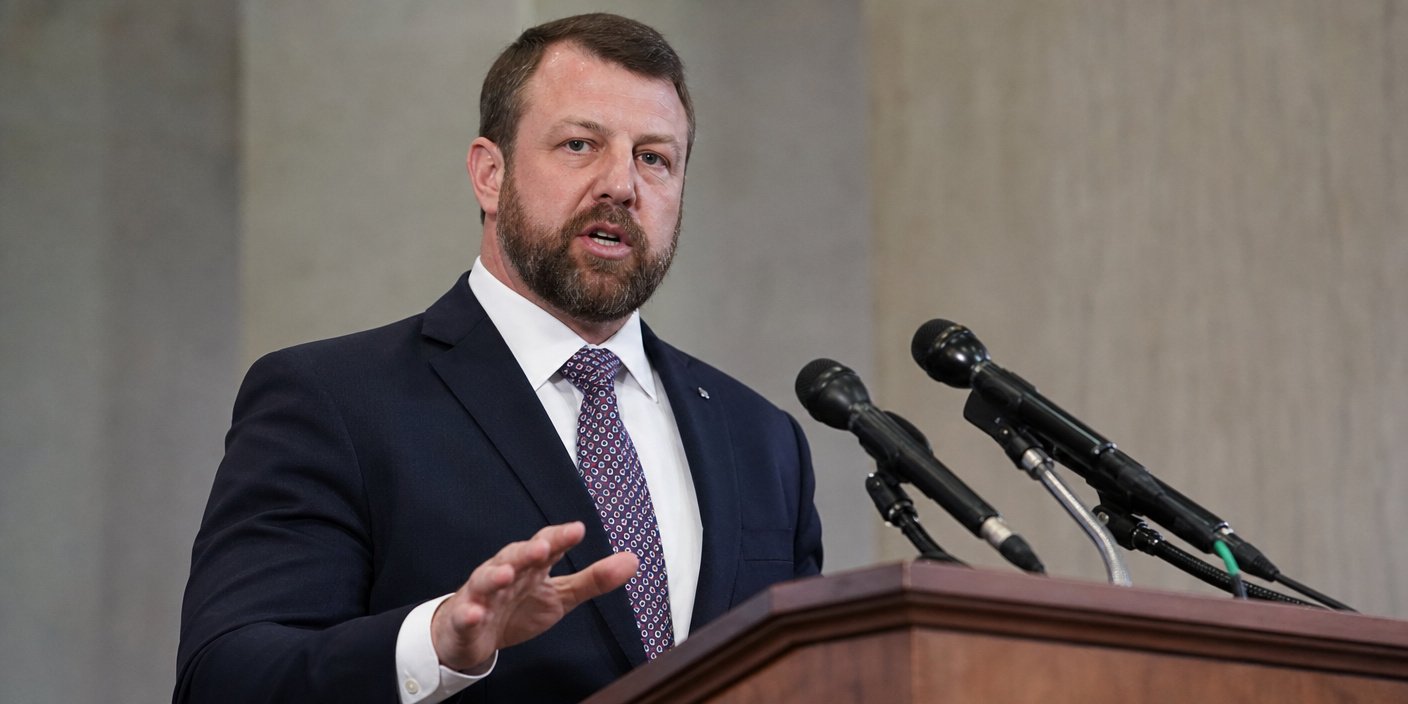
Transportation Secretary Sean Duffy’s Response
Secretary Sean Duffy has come under immediate scrutiny following the ground stop. In his statement, he emphasized that the “outdated nature” of the telecommunications equipment is a systemic issue inherited over decades of under-investment. Duffy promised a full audit of all regional aviation hubs to identify other potential failure points, but the political pressure is mounting. Congressional leaders are already calling for an emergency session to discuss the FAA’s budget allocations, specifically targeting the timeline for telecommunications upgrades. The incident has turned the spotlight onto the Department of Transportation’s stewardship, with critics arguing that modernization projects have been sidelined in favor of other initiatives.
The Sports Scramble: Professional Logistics Interrupted
Perhaps the most visible secondary impact of the ground stop was the disruption to professional sports teams operating out of Southern California. With the NFL and college football schedules in full swing, numerous teams were scheduled to depart for away games on Friday. The sudden grounding meant that team charters—often the only way to move large rosters and staff efficiently—were trapped. Reports surfaced of teams scrambling to arrange last-minute bus travel or chartering regional private jets at exorbitant costs to reach destinations on time. This logistical scramble underscores how deeply the aviation network is woven into the American economy; when the FAA grounds planes, it isn’t just vacationers who suffer, but the intricate web of commerce, entertainment, and professional movement that keeps the nation operating.
The Ripple Effect: Beyond the Airport Gates
The economic and social impact of this event will be felt for days. Airlines are now facing the daunting task of rescheduling thousands of delayed and canceled flights, a process that inherently causes secondary delays throughout the weekend. The labor impact is also significant; air traffic controllers, pilots, and ground crew members were pushed to their limits, dealing with the fallout of a system failure that was entirely out of their control. As investigations continue, the conversation is shifting from the immediate recovery to the long-term question of how to ensure such a “single point of failure” can be eliminated in a system as critical as the U.S. National Airspace System.
FAQ: People Also Ask
What exactly is an FAA ground stop?
An FAA ground stop is a traffic-management initiative that requires aircraft to remain on the ground at their departure airport. It is typically used for safety reasons, such as severe weather or equipment failures, to prevent airspace overcrowding and ensure that controllers can safely manage the flow of traffic.
Why does old telecommunications equipment cause nationwide problems?
Modern aviation relies on high-speed data transmission for routing, weather updates, and security clearances. If a core communication link or a server responsible for transmitting this data uses outdated hardware that cannot process current traffic loads or fails to handshake with modern software, the entire network—which is heavily interconnected—can suffer a cascade failure.
Will this FAA failure affect flight prices in the future?
While the direct cost of this specific delay will be absorbed by the airlines through ticket refunds, rebooking, and lost productivity, systemic issues like this often lead to increased regulatory requirements and infrastructure modernization costs, which can eventually impact ticket pricing as airlines and the government adjust their operational budgets.
How often do these systemic FAA outages occur?
While full-scale nationwide ground stops are rare, technical glitches within the FAA’s network have occurred periodically over the last decade. Each incident usually leads to a renewed push for infrastructure funding and a modernization of the aging systems that underpin national air travel.