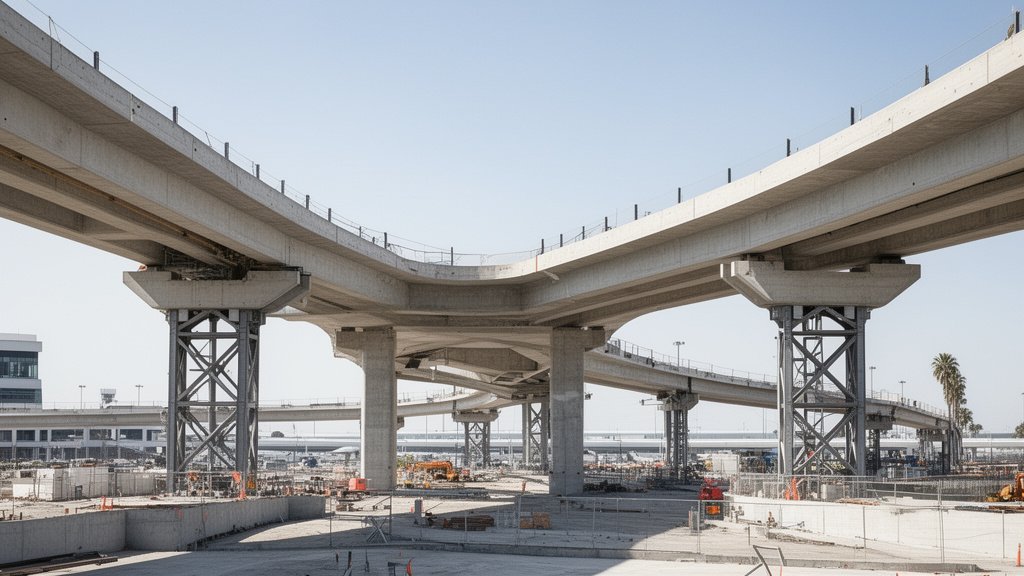
The multibillion-dollar gamble to modernize Los Angeles International Airport’s transit infrastructure is teetering on the edge of financial collapse. As the clock ticks toward a critical December 8 deadline, the LAX Automated People Mover (APM)—often referred to as the Skylink project—finds itself in the crosshairs of a major credit downgrade. Fitch Ratings, the international credit rating agency, has acted aggressively to adjust the project’s debt rating, citing insurmountable construction delays and a rapidly closing window for contractual completion. This development doesn’t just represent a technical hurdle; it signals a potential technical debt default that could trigger a cascade of litigation between Los Angeles World Airports (LAWA), the project consortium LINXS, and the various financial entities backing the infrastructure bonds.
The Anatomy of a P3 Failure
At the heart of this crisis is the structure of the project itself: a Public-Private Partnership (P3). Initially envisioned as a model of efficient, private-sector-led infrastructure development, the APM was designed to alleviate the notorious congestion of the LAX Central Terminal Area. However, the project has been marred by a series of disputes regarding construction timelines, design modifications, and the complex integration of the driverless train technology.
When projects of this scale operate under a P3 model, the financial obligations are tied to strict milestones. The ‘Long Stop Date’—in this case, December 8—serves as the ultimate fail-safe. If the facility is not ready for substantial completion by this date, the contractual penalties are not merely procedural; they are financial and legal. For the bondholders, who have invested heavily in the expectation of a timely, revenue-generating system, the breach of this date represents a fundamental failure of the project’s risk mitigation strategy. The downgrade from Fitch is a warning to the market that the private entities responsible for delivery are currently unable to meet their obligations, transforming what was once a celebrated transit solution into a high-stakes legal liability.
The Financial Fallout: Why the Downgrade Matters
Fitch Ratings’ decision to downgrade the debt associated with the LAX APM serves as an institutional acknowledgment that the project’s path to completion is no longer viable within the originally stated fiscal parameters. A credit downgrade of this nature typically increases the cost of borrowing and can trigger restrictive covenants within the bond indentures.
For the city of Los Angeles and the passengers who use LAX, the financial ripple effects are significant. When a large-scale project enters technical default, it effectively locks up capital. The consortium, led by companies such as Fluor, Balfour Beatty, ACS Infrastructure, and Hochtief, must now contend with potential demands for the acceleration of debt repayment. Furthermore, the threat of litigation between the city and the private consortium creates a climate of uncertainty that makes mid-course corrections difficult to negotiate. If the project enters litigation, the construction of the system could effectively grind to a halt, leaving the unfinished guideways and partially completed stations as a physical testament to the collapse of the project’s timelines.
Assessing the Legal and Operational Risks
If the December 8 deadline is missed, as is widely expected by industry analysts, the immediate aftermath will likely be a scramble in the courtroom. LAWA has historically maintained a strict stance on contractor accountability, but litigation is a slow and costly process. The danger for the public is that an extended legal battle could freeze progress on the ground for months or even years.
Furthermore, the project’s failure exposes broader systemic issues with how major transit projects are managed in California. The combination of regulatory hurdles, supply chain inconsistencies, and the rigid contractual requirements of the P3 model has created a perfect storm for the APM. While the infrastructure is meant to serve the 2028 Olympic games, the current trajectory suggests that even if the physical structure is completed, the legal and financial debt burden may haunt the project’s operational viability for years to come. The question now is not just when the trains will run, but who will be left holding the bill for the massive delays.
The Future of LA Infrastructure Projects
Beyond the specific financial metrics, the LAX APM debacle raises uncomfortable questions about the viability of future P3 projects in the region. Infrastructure development in dense urban environments is inherently risky, but the specific failures observed here—poor communication between the consortium and the airport authority, disputes over ‘who pays’ for change orders, and the inability to buffer against inevitable construction delays—provide a roadmap for what to avoid in future contracts. As the city looks to other major construction projects, policymakers will likely scrutinize whether shifting risk to private entities provides actual value or simply delays the inevitable public bailout when things go wrong.
A Critical Juncture for Stakeholders
As December 8 approaches, all eyes are on the final negotiation rooms. Whether a last-minute restructuring can occur remains the only hope for avoiding a total default. For the bondholders, the priority is to salvage the remaining value of the investment; for LAWA, the priority is getting the project finished without further burdening the taxpayers. However, the Fitch downgrade makes it clear: the era of assuming this project would glide to a successful finish has ended. We are now in the phase of damage control.
FAQ: People Also Ask
What happens if the December 8 deadline is missed?
If the project does not reach substantial completion by December 8, it triggers a ‘Long Stop Date’ breach. This allows the airport authority to pursue significant financial penalties and potentially initiates a technical debt default, which could lead to complex, long-term litigation between the city and the project consortium.
Who is responsible for building the LAX Automated People Mover?
The project is being constructed by the LINXS consortium, a group of companies including Fluor, Balfour Beatty, ACS Infrastructure, and Hochtief. These entities are responsible for the design, construction, and long-term operation of the system.
Why did Fitch Ratings downgrade the project’s debt?
Fitch downgraded the debt due to the mounting evidence of construction delays that are expected to cause the project to miss the critical, contractually mandated Long Stop Date. This downgrade reflects the increased risk of a default and the potential for lost value for bondholders.
How does this affect travelers at LAX?
In the immediate term, travelers will continue to face the current, often congested, traffic patterns at LAX. The delay of the APM means the promised fast, seamless connection between the airport terminals and the regional transit system remains an unfulfilled goal, extending the timeline for when airport congestion relief will actually be realized.