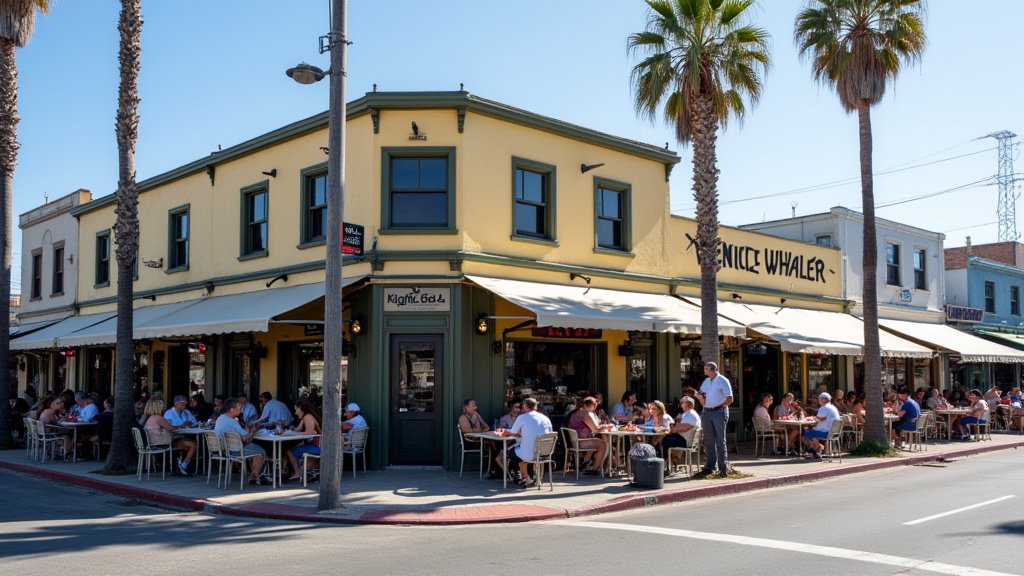
The iconic Venice Whaler, a cornerstone of the Venice Beach social scene since 1944, has hit an unexpected wall in its eight-decade history. Patrons visiting the famous Washington Boulevard establishment have been met with a surprising change of plans: the bar has suspended alcohol service. While the restaurant remains operational, the absence of its signature cocktails and beer selection has sparked a wave of curiosity and concern among locals and tourists alike. Management has categorized the situation as a temporary “system hiccup,” pointing to administrative friction rather than operational malfeasance.
The Administrative Reality: Navigating the CDTFA
At the heart of the service stoppage is a collection suspension hold placed by the California Department of Tax and Fee Administration (CDTFA). While many in the public discourse—and even some initial reports—conflate tax issues with the Board of Equalization (BOE), the reality is a nuanced administrative process overseen by the CDTFA. In California, the CDTFA possesses the authority to issue notices of tax delinquencies that can directly impact business licenses, including those regulating the sale of alcoholic beverages. When a business falls behind on specific tax obligations or fails to reconcile reported figures with agency records, the state has the power to place a “collection suspension” on the entity.
This is not a revocation of the liquor license itself—which is handled by the Department of Alcoholic Beverage Control (ABC)—but rather a secondary hold. Effectively, the state uses the privilege of alcohol sales as leverage to ensure tax compliance. For an establishment like the Venice Whaler, which has served millions of customers over 82 years, this represents a stark reminder of the fragile balance between daily hospitality operations and the rigorous, often opaque, requirements of state tax governance. The management’s characterization of the issue as a “hiccup” suggests a belief that this is a reconcilable accounting discrepancy rather than a systemic failure of the business model.
PR Strategy and Maintaining Patronage
In the wake of the suspension, the Venice Whaler’s management team has moved swiftly to control the narrative and mitigate economic fallout. Rather than closing the doors entirely—a move that would signal deeper distress—the venue has doubled down on its culinary offerings. By rolling out aggressive food specials and targeted discounts, the Whaler is signaling to its regulars that it remains a viable, welcoming space. This pivot is a classic crisis management tactic: prioritize the “third place” value of the venue (community and food) while minimizing the friction of the missing “second place” component (the alcohol).
This approach serves two purposes. First, it keeps the staff employed and the venue active, preventing the stagnation that occurs when a business goes “dark” during a dispute. Second, it creates a buffer of goodwill. Regulars who frequent the Whaler for the views and the atmosphere are being encouraged to keep the venue alive during this dry spell. It is a calculated gamble, relying on brand loyalty to carry the business through a period of restricted service.
The Anatomy of a “Liquor License” Suspension
To understand why a simple tax notice can silence a historic bar, one must understand the interconnectedness of California business permits. A liquor license is not a standalone right; it is a regulated privilege. When the CDTFA issues a hold, they notify the ABC that the taxpayer is not in good standing. The ABC then restricts the license. For the Venice Whaler, this means their ability to sell alcohol is effectively “frozen” until the state receives payment or an agreed-upon payment plan is executed.
This mechanism is designed to be punitive enough to force compliance but flexible enough to be reversed. It is a common, if frustrating, occurrence for restaurants and bars navigating the post-pandemic economic landscape, where tax liabilities have compounded for many small and medium-sized enterprises. The “hiccup” narrative, while optimistic, is also grounded in the reality that most of these cases are eventually settled through bureaucratic resolution rather than permanent closure.
Future Outlook: Can the Whaler Bounce Back?
Looking forward, the timeline for the resumption of alcohol sales depends entirely on the speed of the administrative apparatus. Government agencies like the CDTFA are not known for their agility, and even once a check clears or a payment plan is signed, it can take days or weeks for the “hold” to be lifted in the central database and for the ABC to receive the notification to reactivate the privilege.
For the Venice Whaler, the challenge will be to maintain this momentum without the primary driver of its evening revenue: alcohol sales. If the hold drags on, the management may face mounting pressure. However, given the venue’s legacy and its high-traffic location, it is likely that the resolution will be swift. The Whaler has survived decades of changes in Venice Beach, ranging from the area’s “Dogtown” grit to its current era of upscale gentrification. A tax-related administrative pause, while inconvenient, is unlikely to be the event that closes the doors of this 82-year-old landmark permanently.