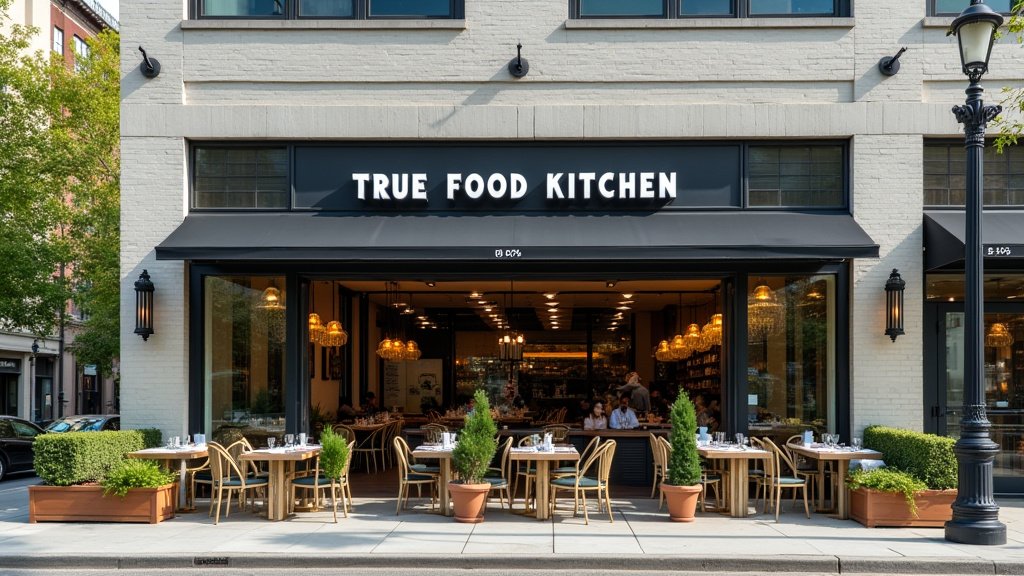
The landscape of health-conscious dining is undergoing a seismic shift as True Food Kitchen, once considered a pioneer in the anti-inflammatory, ingredient-driven restaurant sector, has officially filed for Chapter 11 bankruptcy. This strategic legal maneuver, intended to facilitate a court-supervised sale and comprehensive financial restructuring, marks a humbling moment for a brand that expanded rapidly across the United States. As part of this transition, the company has announced the immediate closure of 12 underperforming locations, signaling a contraction in a market that has become increasingly unforgiving regarding operating costs and lease obligations.
The Anatomy of the Chapter 11 Filing
True Food Kitchen, which counts private equity firm Centerbridge Partners among its major investors, is utilizing Chapter 11 of the U.S. Bankruptcy Code to achieve a ‘soft landing’ rather than a complete liquidation. Unlike Chapter 7, which involves a total shutdown and asset sale, Chapter 11 is designed for reorganization. The company’s leadership aims to reduce its debt burden and exit the bankruptcy process with a healthier balance sheet. This process allows the chain to reject unfavorable lease agreements, which is the primary driver behind the shuttering of the 12 locations. By shedding these high-rent, low-traffic assets, the company hopes to concentrate its resources on its most profitable establishments. The filing is a direct reaction to the economic headwinds that have plagued the restaurant industry over the past 24 months, including persistent inflation, elevated food costs, and the rising price of hourly labor, which disproportionately affects full-service, scratch-kitchen concepts.
Mapping the Closures: A Los Angeles Setback
The impact of this restructuring is being felt acutely in major metropolitan markets, most notably in Los Angeles, where the brand has long enjoyed a strong presence. The closure of two Los Angeles locations is particularly symbolic, as the region has historically been a stronghold for the brand’s core demographic: health-conscious, affluent diners. These closures reflect a broader trend where operators are retreating from high-cost, high-competition markets that no longer provide the necessary return on investment to justify the overhead. Across the country, these 12 closures represent a reduction in the company’s total footprint, a necessary step for potential buyers to view the brand as a leaner, more viable enterprise. The local impact extends beyond the balance sheet; it affects employment and the availability of the brand’s signature menu items, which were designed by co-founder Dr. Andrew Weil.
The Wellness Sector’s Post-Pandemic Reality Check
True Food Kitchen’s struggles are emblematic of a larger conversation regarding the ‘wellness’ dining bubble. In the mid-2010s, the concept of a restaurant defined by the anti-inflammatory diet was a disruptive, high-growth proposition. However, the post-pandemic era has introduced a level of operational difficulty that even premium chains are struggling to overcome. The cost of labor, combined with the logistical complexity of sourcing organic, sustainable ingredients, has created a margin squeeze that is increasingly difficult to navigate. Unlike fast-casual competitors who have successfully migrated to digital-first, low-labor models, True Food Kitchen relies on a full-service experience. As consumer spending habits shift toward value and convenience, the premium, full-service ‘wellness’ model has found itself caught in a precarious middle ground, struggling to compete with both high-end luxury dining and the efficiency of modern, tech-enabled fast-casual brands.
Future Prospects: What Happens to the Brand?
The ultimate goal of this restructuring is to prepare True Food Kitchen for a sale. By cleaning up the balance sheet and optimizing the store count, the company is positioning itself as a more attractive acquisition target for potential buyers, such as other restaurant holding companies or private equity firms looking for a national brand with a loyal customer base. The ‘brand equity’ of True Food Kitchen—its association with health, longevity, and Dr. Andrew Weil’s reputation—remains intact, despite the current financial distress. The coming months will be critical. The bankruptcy court will oversee the sale process, and the future of the remaining locations will depend heavily on whether new ownership can successfully modernize the business model, perhaps by streamlining the menu, leveraging digital sales channels more aggressively, and addressing the high overhead that necessitated this drastic pivot. For now, the focus remains on stabilization, ensuring that the remaining units can maintain operations while the company navigates its most significant existential challenge to date.
FAQ: People Also Ask
Is True Food Kitchen going out of business entirely?
No. The company has filed for Chapter 11 bankruptcy, which is a reorganization process. This allows them to restructure their debts and sell the company or key assets, rather than closing all operations permanently.
Why are they closing 12 locations?
The closures are a strategic decision to exit leases that are no longer financially viable. By shutting down underperforming locations, the company reduces its overhead and creates a more attractive, efficient business model for a potential buyer.
What does this mean for customers?
For customers at the 12 closed locations, the restaurants have ceased operations immediately. For those near remaining locations, the brand intends to continue operating as usual throughout the bankruptcy proceedings.
Will the menu change significantly?
While specific menu changes have not been announced, companies in Chapter 11 frequently look for ways to reduce operational costs, which can sometimes lead to simplified menus or changes in sourcing as part of the restructuring process.