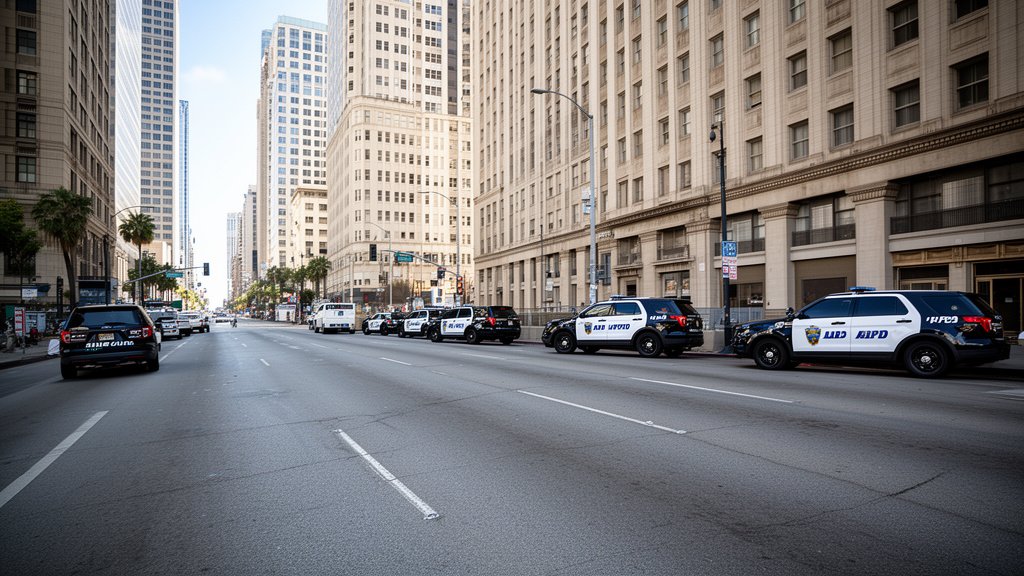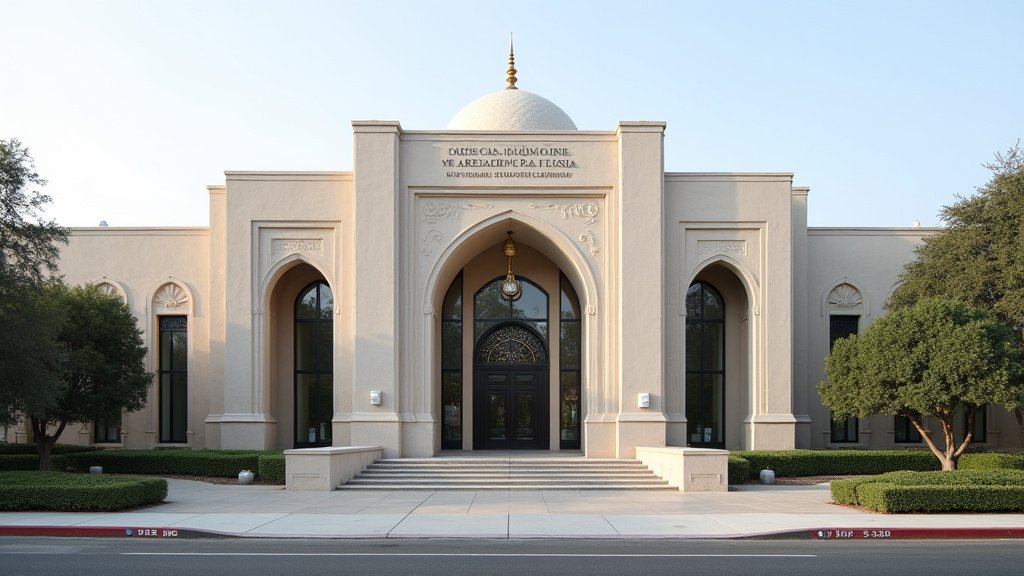
On August 23, the Islamic Center of Southern California (ICSC) became the focal point of an anti-Muslim rally that has drawn widespread condemnation from civil rights advocacy organizations and local community leaders. The demonstration, which targeted the long-standing religious institution, prompted immediate concern regarding the nature of the rhetoric employed by protesters and the potential threat to the physical and psychological safety of the Muslim community members attending the center. In response, ICSC leadership has initiated a high-level coordination effort with the Los Angeles Police Department (LAPD) and the office of the Mayor to bolster security protocols and ensure the safety of congregants, particularly during times of worship and community gathering.
Key Highlights
- Targeted Incident: An anti-Muslim rally took place on August 23 outside the Islamic Center of Southern California (ICSC), prompting widespread community concern.
- Advocacy Response: Leading Muslim advocacy organizations, including the Council on American-Islamic Relations (CAIR-LA), have issued formal condemnations of the demonstration.
- Enhanced Security: ICSC is currently working directly with the LAPD and the Mayor’s Office to implement heightened security measures and safety protocols.
- Community Impact: The rhetoric used during the protest has been criticized for creating an environment of fear and instability for the local Muslim population.
Protecting the Sanctuary: Navigating Rising Religious Tensions
The events of August 23 mark a significant moment in the ongoing conversation regarding religious freedom and public safety in Los Angeles. The Islamic Center of Southern California, a cornerstone of the local community, was subjected to a demonstration that attendees and observers described as intimidating. The primary concern among the leadership at ICSC is not merely the presence of protesters—who have legal rights to assemble—but the specific language and tactics utilized, which many interpret as crossing the line from protected speech into harassment and incitement.
The Intersection of Free Speech and Harassment
In the aftermath of the rally, legal and civil rights advocates have begun a necessary dialogue about where public protest ends and harassment begins. While the First Amendment of the U.S. Constitution provides robust protections for speech, including speech that some may find offensive, these protections are not absolute. Local law enforcement is tasked with the difficult responsibility of managing these protests, ensuring they remain peaceful, and preventing them from disrupting the constitutional rights of congregants to practice their religion without fear of violence or targeted intimidation. The coordination between ICSC and the LAPD reflects a growing necessity for religious institutions to maintain an active, real-time connection with local authorities to protect congregants.
Advocacy and Community Response
The swift condemnation from advocacy organizations like CAIR-LA underscores the gravity of the situation. For these groups, the event at the ICSC is not an isolated incident but part of a broader, concerning trend of rising Islamophobia across the United States. Organizations are utilizing this event to emphasize the importance of bystander intervention, accurate reporting of hate incidents, and the role of interfaith alliances in countering divisive rhetoric. By centering the conversation on safety and community cohesion, these groups aim to support the ICSC while also signaling to the broader public that targeted harassment of any religious group is antithetical to the values of a diverse, metropolitan society like Los Angeles.
The Future of Institutional Security
Moving forward, the ICSC and similar organizations are increasingly looking toward long-term strategies for safety. This includes not only improved physical infrastructure—such as better surveillance and access control—but also deeper integration with municipal resources. The collaboration with the Mayor’s office suggests a shift toward a more proactive, rather than reactive, approach to religious safety. The incident on August 23 serves as a catalyst for these conversations, pushing the city to evaluate how it protects its diverse religious communities in an increasingly polarized political climate. The focus remains on ensuring that houses of worship are not viewed as sites of political conflict, but as places of sanctuary and reflection, where citizens should feel protected from the vitriol that sometimes characterizes modern political discourse.
Historical and Social Context
Historically, Los Angeles has prided itself on being a hub of cultural and religious diversity. However, the recurring nature of these rallies serves as a stark reminder of the underlying tensions that persist beneath the surface. Scholars and community organizers have noted that during periods of heightened geopolitical instability or economic uncertainty, religious institutions often become proxy targets for wider societal frustrations. Understanding this pattern is essential for developing effective counter-measures. It is not just about the event on August 23, but about the social climate that allows such events to manifest and the institutional resolve to prevent them from becoming normalized. By engaging in transparency and ongoing dialogue, the ICSC hopes to turn this experience into a moment of strength, reinforcing the institution’s role as a vital, protected, and welcoming space for all, regardless of the challenges they may face.
FAQ: People Also Ask
1. Was the rally at the Islamic Center of Southern California considered a hate crime?
While the rally drew condemnation for its anti-Muslim rhetoric, authorities have not officially classified the protest itself as a hate crime. Law enforcement continues to monitor the situation to ensure that the activities of protesters do not violate local laws or constitute criminal harassment.
2. What security measures are being implemented following this event?
ICSC is coordinating with the LAPD and the Mayor’s Office to establish enhanced patrol presence and improved safety protocols. While specific security details are confidential for safety reasons, these measures are designed to ensure that congregants can attend services without interference.
3. How can the community support the Islamic Center of Southern California?
Community support is currently focused on standing in solidarity against hate speech and harassment. Advocacy groups encourage the public to engage in interfaith dialogue, report any witnessed incidents of intimidation to the proper authorities, and support local initiatives that promote religious freedom and communal safety.
4. Is there an increase in Islamophobia in the Los Angeles area?
Yes, advocacy organizations and community leaders have expressed concern over a documented rise in Islamophobic incidents. This trend, consistent with national figures, has led to calls for greater attention to the protection of religious institutions and the mental well-being of the local Muslim community.