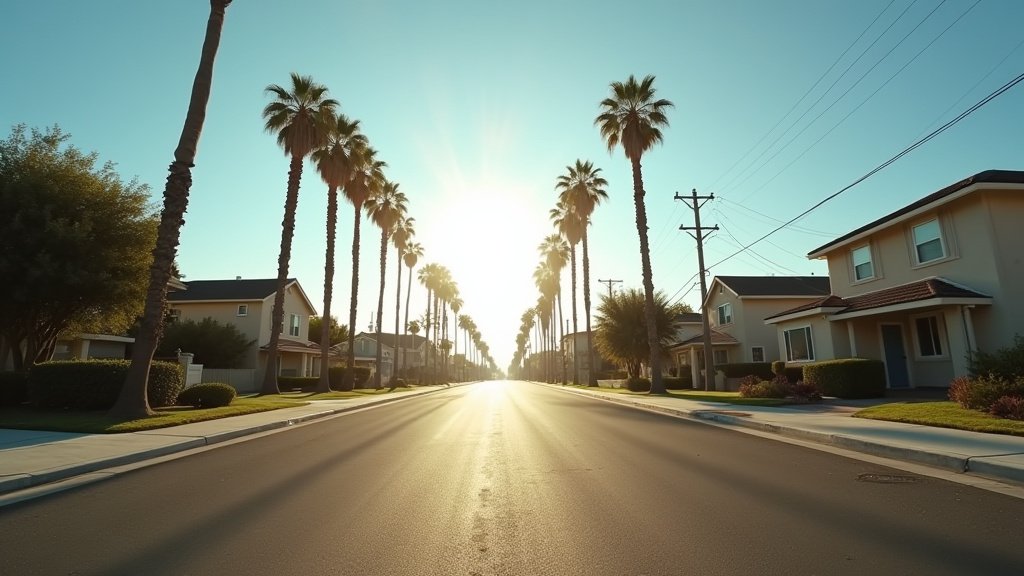
Southern California is bracing for its most intense and prolonged heat event of 2026, as a powerful high-pressure system parks itself over the region, bringing dangerous, record-breaking temperatures. The National Weather Service (NWS) has issued multiple Excessive Heat Warnings, cautioning residents that temperatures across inland valleys and desert communities will climb to levels that pose a significant health risk to the general population. With this surge marking the hottest week of the year, authorities are urging citizens to prioritize hydration, seek shade, and prepare for potential strain on the state’s electrical infrastructure as air conditioning demand reaches peak capacity.
Key Highlights
- Excessive Heat Warnings: The NWS has issued widespread alerts for Los Angeles, Riverside, and San Bernardino counties, with temperatures in valley regions expected to soar between 105°F and 115°F.
- Grid Management: California Independent System Operator (CAISO) is actively monitoring grid stability, requesting voluntary energy conservation during peak evening hours to mitigate the risk of rolling blackouts.
- Public Health Alert: Local health officials have opened cooling centers across the region, emphasizing that high nighttime lows will prevent traditional cooling cycles, increasing the risk of heat-related illnesses.
- Meteorological Drivers: The extreme weather is being fueled by a robust ‘heat dome’—a massive high-pressure ridge that traps hot air and creates a feedback loop of warming temperatures.
The Meteorological and Socio-Economic Impact of the 2026 Heat Surge
The current weather pattern affecting Southern California is a textbook example of a heat dome, a phenomenon where a stationary area of high pressure traps hot air like a lid on a pot. As the sun beats down, the ground warms, heating the air above it. However, the high-pressure system prevents this air from rising and dissipating, causing the heat to compress and intensify over several days. For Southern California, this means a stifling stagnation that refuses to break, even after the sun sets.
Understanding the Heat Dome Mechanism
Meteorologists from the National Weather Service explain that this specific system is bolstered by favorable atmospheric conditions that have blocked cooler marine air from penetrating inland. Usually, the ‘marine layer’ acts as a natural air conditioner for the Southern California coast. During this event, however, the temperature inversion is so strong that the cool, moist air from the Pacific is being shoved far offshore. This leaves coastal cities, which typically enjoy moderate temperatures, vulnerable to unprecedented heat. Residents in cities like Long Beach and Santa Monica are experiencing thermal loads usually reserved for the high desert, leading to increased pressure on housing units that lack modern, high-capacity central air conditioning.
Infrastructure Strain and the CAISO Response
As temperatures climb, the demand for electrical energy enters a critical phase. The California Independent System Operator (CAISO), which oversees the state’s power grid, has transitioned to a state of heightened readiness. The challenge is not merely the sheer volume of power required to run millions of air conditioning units simultaneously, but also the diminishing efficiency of solar and thermal power plants during extreme heat.
Historically, the late afternoon and early evening—the ‘duck curve’—represents the most dangerous time for the grid. As solar production tapers off with the setting sun, air conditioning demand remains high. To combat this, local utility providers, including the Los Angeles Department of Water and Power (LADWP), are utilizing smart-meter technology and demand-response programs to stabilize the grid. Consumers are being asked to set thermostats to 78 degrees or higher and avoid using major appliances like dryers and dishwashers between 4:00 PM and 9:00 PM.
The Urban Heat Island Effect and Vulnerable Populations
Beyond the raw meteorological data, the urban heat island (UHI) effect is significantly exacerbating the danger in densely populated areas. The vast expanse of concrete, asphalt, and glass in metropolitan Southern California absorbs solar radiation throughout the day and releases it slowly at night. This prevents the typical 20-to-30-degree cooling residents rely on for recovery, resulting in ‘tropical nights’ where temperatures fail to drop below 80 degrees.
This lack of nocturnal cooling is the primary driver of heat-related mortality. The human body requires a period of rest in cooler temperatures to recover from the thermal stress of the day. Without this, the cumulative physiological strain leads to dehydration, heat exhaustion, and potentially fatal heatstroke. Populations particularly at risk include the elderly, residents of older buildings with poor insulation, and outdoor laborers who have no choice but to work through the heat of the day. Municipalities have responded by expanding the hours of public library cooling centers and mobile hydration units, though advocates argue that long-term investments in urban canopy and cool-roof technology are required to mitigate the systemic risk of future heat waves.
Future Predictions and Climate Context
This event is not occurring in a vacuum. Climate scientists at the Climate Prediction Center have noted a clear trend: heat waves in the Southwestern United States are becoming more frequent, lasting longer, and reaching higher peak temperatures than historical averages would suggest. The 2026 data indicates a shift in the standard bell curve of temperature distribution. What was considered a ‘1-in-50-year’ heat event is appearing with increased regularity.
Looking toward the future, the integration of distributed energy resources—such as home battery storage—will be essential. As the grid faces the dual challenge of aging infrastructure and extreme weather driven by climate change, the reliance on large, centralized power plants may give way to a more decentralized model. This could allow individual neighborhoods to maintain power and climate control even if the broader transmission system faces localized failures. For now, however, residents must focus on immediate safety: staying hydrated, checking on vulnerable neighbors, and respecting the limits of the electrical grid.
FAQ: People Also Ask
Q: What is the primary difference between a Heat Advisory and an Excessive Heat Warning?
A: A Heat Advisory is issued when temperatures are expected to cause inconvenience or minor health risks. An Excessive Heat Warning is a more severe alert, triggered when extreme heat poses a direct, significant threat to life and safety for the general public, requiring immediate caution and preparation.
Q: Why do power companies ask us to conserve energy during the evening if the hottest part of the day is early afternoon?
A: The grid is most vulnerable during the early evening hours because solar energy production drops as the sun sets, while air conditioning usage remains high to combat the residual heat absorbed by buildings and pavement during the day.
Q: How can I identify the symptoms of heatstroke?
A: Heatstroke is a medical emergency. Symptoms include a body temperature above 103°F, red/hot/dry skin (no sweating), rapid pulse, headache, dizziness, nausea, confusion, and unconsciousness. If suspected, call 911 immediately and move the person to a cooler area.
Q: Are cooling centers free to the public?
A: Yes, most cooling centers established by city and county governments are free and open to the public during the hours listed by local emergency management offices. It is recommended to check your local city or county website for the nearest location and current operating hours.