The Shift in Local Governance
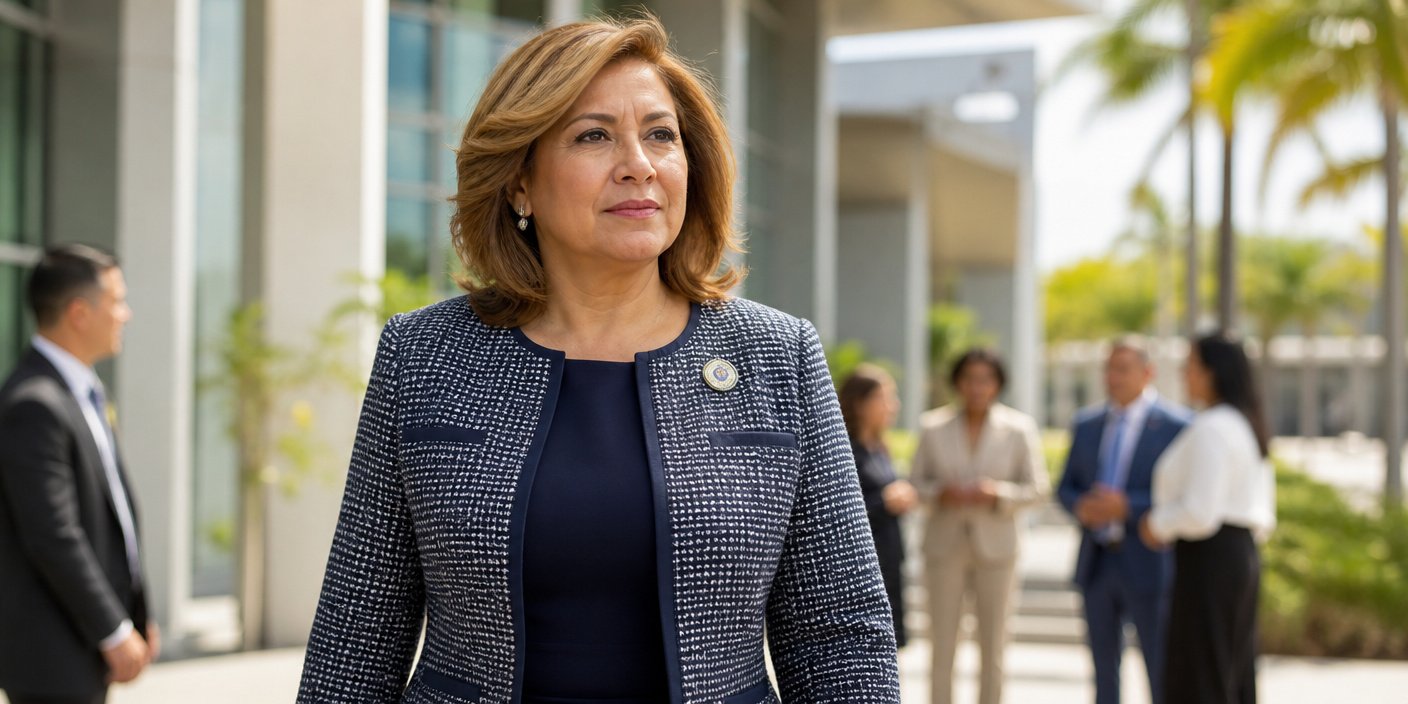
In a strategic move that significantly bolsters the influence of the City of Bell within regional politics, Mayor Ana Maria Quintana has been appointed to lead the Los Angeles County Division of the League of California Cities. This appointment marks a pivotal moment for both the City of Bell and the broader collection of municipalities that make up Los Angeles County. By stepping into this leadership role, Mayor Quintana assumes a critical position, acting as the primary advocate for local interests in an era where the divide between state mandates and local control has never been more contentious.
The League of California Cities (often referred to as Cal Cities) serves as the primary lobbying organization for municipal governments across the state. The Los Angeles County Division is arguably one of the most powerful and complex regional blocks within the organization, given the diverse economic, social, and logistical needs of the 88 cities that constitute the county. Mayor Quintana’s elevation to this role signals a recognition of her steady leadership and her ability to navigate the complex administrative and political challenges inherent in managing a modern, high-density city like Bell.
The Mechanics of Regional Advocacy
At its core, the Los Angeles County Division of Cal Cities is tasked with creating a unified front. When Sacramento lawmakers propose legislation that impacts land use, public safety budgets, or infrastructure funding, cities often find themselves at a disadvantage if they lobby individually. The Division provides a platform for city leaders to pool their resources, share data, and present a cohesive strategy to state legislators.
Mayor Quintana’s role will involve synthesizing the needs of cities ranging from small, tight-knit communities to major suburban hubs. Her background in Bell—a city that has undergone significant administrative reforms—provides her with a unique perspective on the importance of fiscal transparency and the necessity of maintaining responsive government services. This leadership transition comes at a time when California municipalities are grappling with substantial legislative pressure regarding housing production targets, state-mandated sustainability goals, and the fluctuating nature of sales tax revenues.
Balancing State Mandates and Local Control
One of the most pressing items on Mayor Quintana’s agenda will be navigating the friction between Sacramento and local city halls. Over the past several years, the California State Legislature has passed a flurry of bills aimed at curbing the local authority of cities to dictate their own zoning and development patterns. Proponents of state-level intervention argue that uniform standards are necessary to combat the statewide housing crisis. Conversely, many city leaders argue that these “one-size-fits-all” approaches fail to account for the unique infrastructure capacity, historical context, and transit accessibility of individual municipalities.
As the lead of the LA County Division, Quintana will be expected to articulate the “local” position in these high-stakes negotiations. Her ability to translate the operational reality of running a city into compelling arguments for state representatives will be the defining measure of her tenure. Whether it is advocating for more flexible implementation of housing elements or securing funding for essential municipal services, her voice will be instrumental in ensuring that local government remains a primary architect of community development rather than a mere administrator of state dictates.
The Bell Blueprint in Regional Strategy
Critics of local politics often point to a disconnect between the ambitions of municipal leaders and the actual delivery of services. However, Mayor Quintana’s tenure in Bell has been characterized by an attempt to bridge that gap. By applying the organizational discipline required in Bell to the regional level, she brings a focus on “nuts and bolts” governance.
This approach is critical for the LA County Division. The cities within the division are responsible for the delivery of essential services—police, fire, public works, and sanitation—that directly impact the daily lives of millions of residents. When these systems are stressed by unfunded state mandates, it is the city manager’s office and the city council that bear the brunt of public frustration. Quintana’s strategy will likely prioritize finding sustainable funding models that allow cities to comply with state requirements without sacrificing the quality of core services.
Future-Proofing the LA Division
Looking ahead, Mayor Quintana faces the challenge of unifying a region that is often characterized by its fragmentation. The 88 cities of Los Angeles County have vastly different socio-economic profiles. The needs of a coastal city differ significantly from those of an inland industrial hub or a mountain community. Building consensus among these diverse stakeholders is an exercise in political diplomacy.
Her leadership will also need to address the technological and environmental shifts impacting local government. From the integration of AI-driven civic services to the infrastructure upgrades required for an electric vehicle-dominated future, the cities in the LA Division are on the front lines of modernization. Quintana has the opportunity to leverage her position to share best practices across the county, turning the LA Division into a laboratory for municipal innovation rather than just a defensive lobbying organization. By fostering a culture of collaboration, she can position the county not just as a follower of state policy, but as a leader in defining what 21st-century local governance looks like.
FAQ: People Also Ask
1. What is the League of California Cities?
The League of California Cities (Cal Cities) is a nonprofit association that represents California’s 482 cities. Its mission is to protect and restore local control for cities through advocacy, education, and the sharing of best practices.
2. Why is the Los Angeles County Division important?
Because Los Angeles County contains 88 independent cities, the LA County Division acts as a massive, powerful voting and lobbying bloc. Its decisions often hold significant weight when the state legislature evaluates bills that impact municipal powers.
3. How does this appointment affect the City of Bell?
It raises the profile of Bell in regional and state-level political circles. Having a mayor in a high-leadership position within Cal Cities ensures that the specific challenges and successes of Bell are heard by other municipal leaders and state policymakers.