
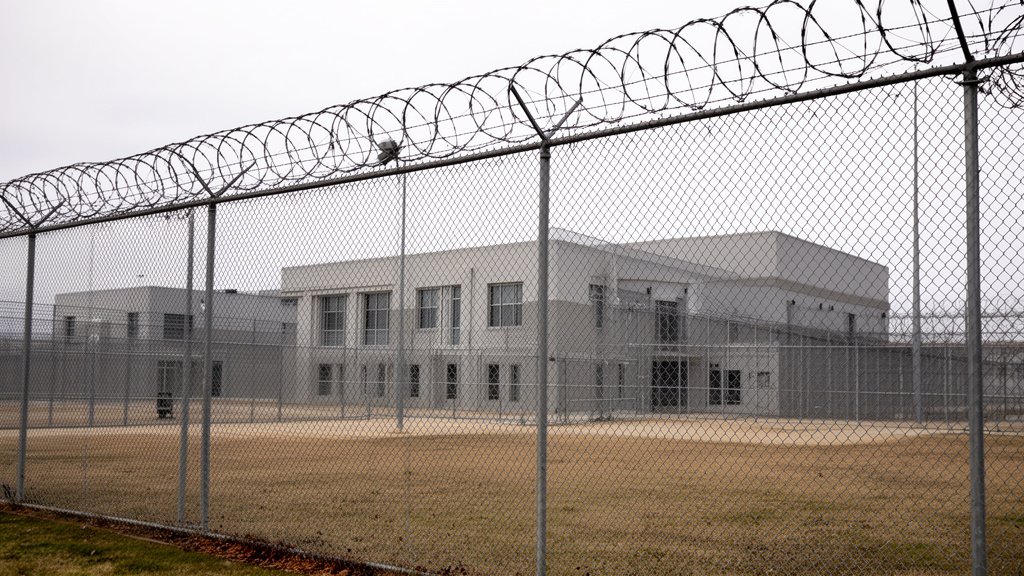
July marked a significant inflection point for federal immigration enforcement, with U.S. Immigration and Customs Enforcement (ICE) recording more than 43,000 arrests. This figure represents the highest monthly total of the current Trump administration, signaling an aggressive acceleration in operational tempo. The surge in activity arrives at a contentious moment, as the agency attempts to balance heightened enforcement mandates with increasing pressure regarding officer conduct and public safety protocols following two high-profile, fatal shootings involving agents in Houston and Maine last month.
Key Highlights
- Record-Breaking Volume: Over 43,000 arrests were executed in July, marking a new monthly peak for the administration.
- Operational Velocity: The data suggests a rapid intensification of field operations despite ongoing logistical and political headwinds.
- Crisis of Oversight: Enforcement actions have continued unabated despite intensifying public and internal scrutiny following fatal shootings in Houston and Maine.
- Administrative Strain: The high volume of arrests is raising questions about the capacity of detention facilities and immigration court backlogs.
The Intensification of Enforcement Operations
The 43,000-arrest threshold is not merely a statistical milestone; it represents a fundamental shift in the tactical approach of federal immigration enforcement. By prioritizing volume, the administration appears to be testing the limits of its current operational capacity. For stakeholders, this shift creates a complex narrative: while proponents view the numbers as evidence of a successfully restored “law and order” policy regarding border security and internal enforcement, critics are pointing to the human and systemic costs associated with such rapid scaling.
Analyzing the Logistical Pipeline
Processing more than 43,000 individuals in a single month places an immense strain on the Department of Homeland Security (DHS) infrastructure. This includes not only the physical detention capacity of ICE facilities but also the administrative bandwidth required for processing, legal vetting, and transportation. The sheer velocity of these operations suggests a decentralized strategy, where field offices are likely empowered to act with greater autonomy than in previous months. This delegation of authority, however, raises questions about standardization in protocols and the potential for increased error rates during high-volume periods.
The Shadow of Recent Fatal Incidents
Central to the current debate is the agency’s ability to maintain discipline while aggressively scaling operations. The fatal shootings in Houston and Maine have functioned as significant catalysts for public dissent. These incidents have forced a difficult conversation within the corridors of the DHS: can an agency maintain such a rapid pace of field enforcement without compromising established safety standards and de-escalation protocols?
The shootings have prompted local law enforcement agencies, particularly in metropolitan areas, to re-evaluate their collaborative agreements with federal agents. When federal operations result in fatal force, the “chill effect” often extends to local police departments, which rely on community trust to function effectively. The tension between ICE’s mandate and the liability of local municipalities has never been more pronounced.
Exploring Secondary Angles
To fully understand the environment surrounding this record-breaking month, we must examine the broader implications beyond the raw data:
1. Jurisdictional Friction and Community Relations: The uptick in arrests has intensified the divide between federal agents and “non-cooperative” jurisdictions. As ICE ramps up efforts, cities that limit information sharing or support for federal operations face increasing pressure to conform, potentially leading to new waves of litigation between municipal governments and the federal government.
2. The Judicial Bottleneck: While arrests occur in the field, the downstream impact hits the immigration court system. A record-breaking month of arrests will inevitably lead to an even longer backlog in judicial proceedings, essentially creating a “procedural gridlock” where individuals remain in the system for years, costing taxpayers significantly in detention and oversight fees.
3. Internal Morale and Agency Culture: There is a distinct, often overlooked angle regarding the strain placed on field agents. An aggressive mandate to achieve high arrest numbers can lead to burnout, increased turnover, and an environment where rapid operational pace is prioritized over the meticulous gathering of evidence. This cultural shift, if sustained, may lead to further institutional errors, perpetuating the cycle of scrutiny.
FAQ: People Also Ask
Q: What is the significance of the 43,000 arrest figure for ICE?
A: It represents the highest monthly arrest count during the current Trump administration, indicating an aggressive expansion of enforcement operations and a priority shift toward higher volume outputs.
Q: How are the Houston and Maine shootings impacting ICE operations?
A: These incidents have triggered intense public and internal scrutiny, forcing the agency to defend its use-of-force protocols while simultaneously attempting to maintain, or increase, the tempo of field enforcement.
Q: Are these arrest numbers sustainable long-term?
A: Experts suggest the strain on detention facilities and the judicial backlog created by such high volume may force the administration to reconsider its logistical strategy in the coming months, as processing systems are nearing capacity.