Fire officials have officially elevated the danger rating for the Angeles National Forest to “Very High,” signaling an urgent shift in wildfire preparedness as parched conditions grip the San Gabriel Mountains. Residents in Altadena and Pasadena are being urged to exercise extreme caution as the dry season intensifies, significantly increasing the risk of rapid fire spread. The National Fire Danger Rating System (NFDRS) classification reflects the increased susceptibility of regional vegetation to ignition from even minor heat sources, mandating heightened vigilance across the wildland-urban interface.
Key Highlights
- Elevated NFDRS Status: The “Very High” designation indicates that fuels—ranging from dry grasses to timber litter—are highly flammable and can ignite readily from small sparks or human activity.
- Geographic Sensitivity: The warning is particularly acute for the San Gabriel Mountains, specifically targeting the northern perimeters of Altadena and Pasadena where residential communities meet protected forest lands.
- Operational Restrictions: Visitors and residents should expect stricter adherence to fire safety protocols, including bans or limitations on open flames, recreational fires, and the use of combustible equipment in specific forest areas.
- Environmental Factors: The upgrade is driven by sustained high temperatures, low relative humidity, and high fuel dryness indices, which have collectively reduced the moisture content in the chaparral and brush common to the region.
Navigating the ‘Very High’ Danger Designation
The National Fire Danger Rating System is the backbone of wildfire management in the United States, providing a standardized scientific method to assess the fire environment. Moving from “High” to “Very High” is not merely a change in terminology; it is a critical shift in operational posture for the U.S. Forest Service and local fire agencies.
In the context of the Angeles National Forest, this rating is calculated based on daily measurements of fuel moisture content, wind speed, relative humidity, and the time since the last significant rainfall. When the needle pushes into “Very High,” the fundamental physics of the forest change. Moisture is stripped from the surface vegetation and the lower canopy, effectively turning the forest floor into a tinderbox. Fires that start under these conditions are often characterized by rapid rates of spread, high intensity, and a resistance to initial suppression efforts. For the residents of Altadena and Pasadena, this means that the margin for error has vanished.
The San Gabriel Wildland-Urban Interface
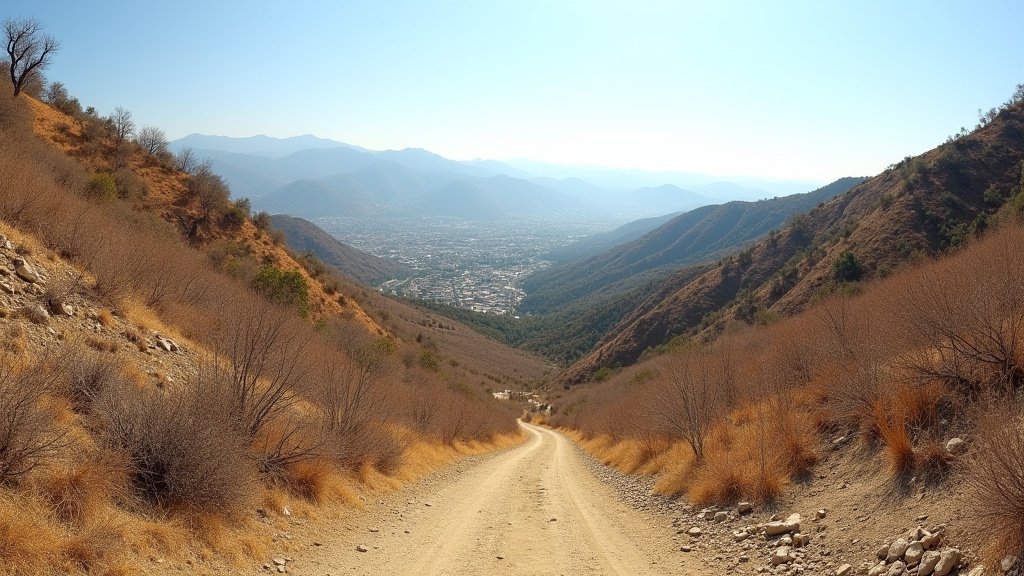
The geography of the San Gabriel Mountains presents a unique challenge for fire management. The interface—the area where suburban infrastructure intersects with untamed wildland—is particularly vulnerable. In Altadena and Pasadena, this is where the urban sprawl meets the rugged, steep canyons of the Angeles National Forest. These canyons act as natural funnels for wind, often accelerating fire speed if an ignition occurs.
Local fire departments and the U.S. Forest Service work in tandem to monitor these zones, utilizing both satellite imagery and ground-level fuel sampling. During a “Very High” alert, homeowners are strongly advised to perform “defensible space” maintenance. This includes clearing dry brush from around structures, ensuring that flammable materials are kept away from home perimeters, and keeping emergency evacuation kits updated and accessible.
Historical Context: The Long Shadow of Drought
To understand the gravity of the current “Very High” rating, one must look at the historical progression of fire seasons in Southern California. The trend over the last decade has been toward longer, more intense fire seasons. Climate modeling consistently suggests that the “drought-fire cycle” is becoming more permanent. Historically, the fire season had a distinct beginning and end; today, the Angeles National Forest often faces elevated risk profiles well into late autumn.
This shift is largely attributed to sustained multi-year drought conditions that have weakened the tree canopy and chaparral cover. When vegetation dies back, it doesn’t always clear out; instead, it accumulates as “dead fuel,” which is much more receptive to ignition than live, healthy vegetation. This fuel load accumulation means that the threshold for “Very High” danger is reached more quickly in the spring and sustained longer throughout the summer and fall.
Economic and Recreational Impact
The designation of “Very High” danger also imposes a toll on recreational use and local economic activity. The Angeles National Forest is a primary playground for millions of Los Angeles residents. With the upgrade to “Very High,” visitors to the region may encounter closures on specific trails, restricted access to campgrounds, and a total ban on charcoal barbecues or wood fires in designated day-use areas.
While these measures may seem like inconveniences, they are essential mitigation strategies. Statistics from the Forest Service suggest that a significant percentage of wildfires in the San Gabriel Mountains are human-caused—ranging from stray sparks from catalytic converters on vehicles parked on dry grass, to improperly extinguished campfires. By restricting access and activities, authorities aim to remove the “human spark” from a highly volatile fuel bed.
Future Mitigation and Technology
Modern fire management is increasingly relying on high-tech solutions to combat these conditions. In the Angeles National Forest, officials are integrating automated sensor arrays and AI-driven camera systems, such as ALERTCalifornia, to provide real-time monitoring of high-risk canyons. These systems allow for the detection of smoke signatures within seconds, often before a 911 call is even placed.
Furthermore, the use of predictive modeling software, which takes the current “Very High” status as a baseline, allows agencies to pre-position firefighting resources—crews, helicopters, and bulldozers—closer to the urban interface. This “forward-deployed” strategy is a direct response to the increasing frequency of extreme fire weather, ensuring that if a spark does land, the response is immediate and overwhelming.
FAQ: People Also Ask
What does ‘Very High’ danger mean for my weekend hike in the San Gabriel Mountains?
It means the risk of wildfire is significant. You should check the official Angeles National Forest website for trail closures before heading out. Avoid any activity that creates sparks, such as using camping stoves outside of designated areas, and be aware that emergency personnel may be patrolling heavily.
Should residents in Altadena or Pasadena evacuate immediately?
No. A ‘Very High’ fire danger rating is a preparation alert, not an evacuation order. It signals that conditions are ripe for fire, and residents should review their emergency plans, ensure their ‘go-bags’ are ready, and remain alert to local news and official evacuation orders, which will be communicated via NIXLE, social media, and local media outlets.
Why is the fire danger level upgraded if we haven’t had a fire yet?
The NFDRS rating is based on conditions, not current fires. It assesses the potential for a fire to start and grow based on fuel dryness, temperatures, and wind. It is a proactive classification designed to warn the public and prepare agencies before an incident occurs.
How does this affect residential insurance and home maintenance?
Many insurance providers look at official fire danger zones when calculating risk. While a daily fire danger rating doesn’t change your insurance policy overnight, maintaining defensible space (clearing brush) is not only a safety requirement but often a condition for maintaining fire insurance in the Wildland-Urban Interface (WUI).