The conclusion of the World Cup has left Los Angeles businesses and city planners evaluating a complex economic aftermath. While the city experienced visible vibrancy in specific sectors, the reality of the “World Cup bump” presents a nuanced picture of profit, uneven distribution, and significant challenges ahead. As data continues to roll in, the central narrative has shifted from pure celebration to a strategic assessment of how the region handles large-scale international sporting events.
The Anatomy of the 15% Spike
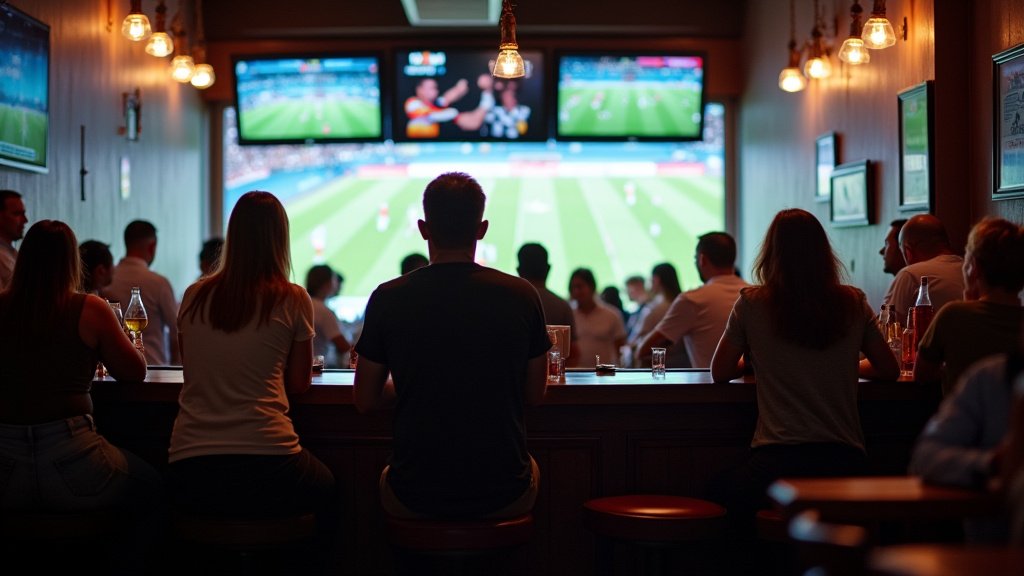
The most quantifiable success of the event was undoubtedly in the hospitality sector, specifically within pubs and bars across the metropolitan area. According to recent industry analysis, these establishments enjoyed a 15% statewide increase in revenue, largely driven by a concentrated surge in foot traffic. This spike wasn’t uniform; it was heavily localized around “event-centric” districts—neighborhoods within proximity to public viewing areas and established sports bar hubs.
However, this revenue increase represents a specific subset of the hospitality industry. While beer sales and food service saw high-volume gains, other retail sectors did not mirror this growth. The 15% figure serves as a reminder that major sporting events function as “destination spikes,” where consumer behavior is highly focused on specific leisure activities rather than broad economic engagement. For many local retailers not aligned with the tournament’s specific demographic, the period was characterized by stagnation or even a slight decline in regular local traffic due to congestion and transportation challenges.
The Uneven Distribution of Wealth
A critical takeaway from the post-event analysis is the stark inequality in economic benefit. The Los Angeles Department of Economic Development has noted that while tax revenue in entertainment-heavy districts performed well, the gains did not ripple through to the wider small business ecosystem. The “World Cup bump” disproportionately benefited those with established infrastructure for large crowds, leaving smaller, niche businesses struggling to capitalize on the influx of visitors.
This discrepancy creates a challenge for the city’s economic strategy moving forward. When foot traffic is high but localized, the surrounding small businesses often suffer from the “displacement effect,” where regular customers avoid areas due to anticipated crowds and logistical headaches, effectively cancelling out the spending of the tourists.
The Olympic Blueprint: 2028 Preparations
City officials, including representatives from the LA28 Organizing Committee, are now analyzing the World Cup results as a critical stress test for the 2028 Olympic preparations. The World Cup acted as an unintended “beta test” for the city’s logistics, public transportation efficiency, and service-industry capacity.
One of the primary concerns identified in the post-mortem reports is the strain on local infrastructure. Lessons learned from the World Cup are currently being integrated into the roadmap for 2028. Specifically, the city is focusing on better dispersal strategies—ensuring that visitors aren’t just funneling into a few “hotspots” but are encouraged to explore a wider footprint of Los Angeles, thereby spreading the economic benefit more equitably across districts.
The Inflation Trap: Cautioning Against Over-pricing
Perhaps the most pressing advice coming from municipal leaders is a stern warning against the temptation of unsustainable price hikes. In the wake of the World Cup, some businesses were flagged for aggressive surge pricing, which, while profitable in the short term, resulted in significant brand backlash and negative reviews from local patrons.
Economic analysts caution that for the 2028 Olympics, businesses must strike a balance. Pricing models that aggressively exploit the influx of international tourists can alienate the local community—the very customer base that businesses rely on for the 50 weeks of the year when the city isn’t hosting a global event. The Hospitality Association of Los Angeles has begun advising businesses to focus on “high-volume, sustainable pricing” rather than short-term profit maximization that risks long-term viability.
Strategic Outlook for Local Retail
As Los Angeles moves toward 2028, the broader goal is to transform “event-based revenue” into “sustainable economic growth.” This requires more than just waiting for crowds to arrive; it requires proactive marketing, partnerships between small businesses and event organizers, and improved urban mobility. The city is currently exploring grant programs to help local businesses prepare their digital and physical presence to better capture the attention of future Olympic-bound tourists, ensuring that the 15% bump seen during the World Cup is viewed as a baseline, not a ceiling, for future performance.
FAQ: People Also Ask
1. Did the World Cup provide a significant boost to all L.A. businesses?
No. While pubs and bars saw a 15% revenue increase statewide, the economic benefit was highly uneven. Most of the growth was concentrated in specific high-traffic areas, while many small retailers experienced no change or even a dip in regular foot traffic.
2. Why are officials linking the World Cup to the 2028 Olympics?
The World Cup provided a real-world testing ground for logistics, transport, and service demand. The City Council and LA28 organizers are using this data to identify infrastructure weaknesses and refine strategies to ensure the 2028 Olympics provide a more widespread economic benefit.
3. What is the warning regarding ‘price hikes’?
Officials are cautioning businesses against ‘surge pricing’ that targets visitors at the expense of local loyalty. Analysts warn that unsustainable price hikes during major events can damage a brand’s long-term reputation and alienate the local customer base.