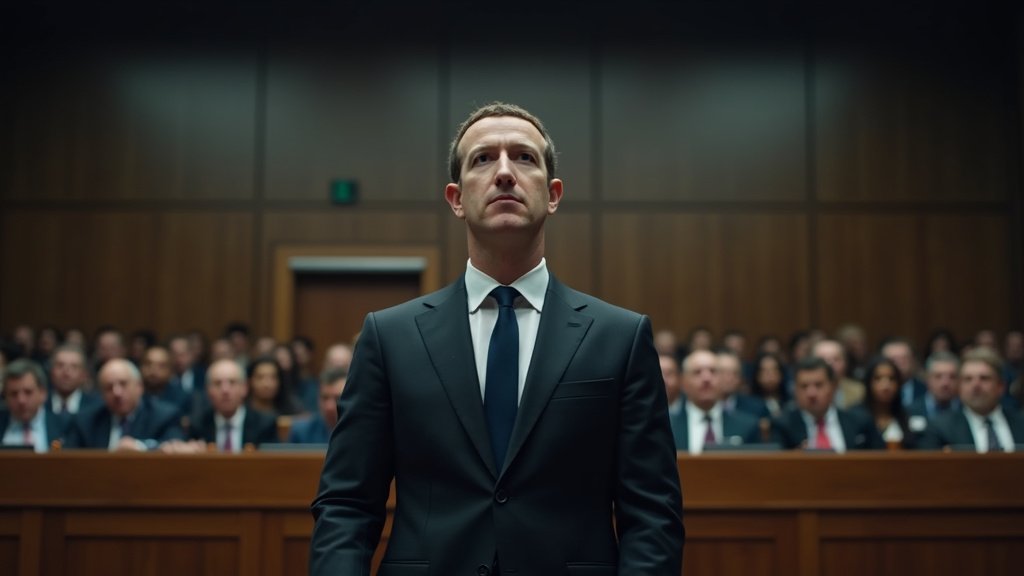
Mark Zuckerberg took the witness stand. This occurred in Los Angeles. It was for a landmark social media trial. The trial began February 9, 2026. Zuckerberg testified on February 18, 2026. He faced intense questioning. Plaintiffs allege Meta’s platforms harm young users.
Zuckerberg on the Stand
The Meta CEO appeared in a dark suit. He defended his company from allegations. These claims state social media harms children. Zuckerberg admitted regret over slow progress. This was for identifying underage users on Instagram. Children under 13 are banned from Instagram. However, some minors still use the platform. Zuckerberg said Meta has added tools. These tools aim to identify and remove underage accounts. He called this a challenging problem. Yet, he also stated improvements were made. He wished they could have acted sooner.
The Plaintiff’s Case
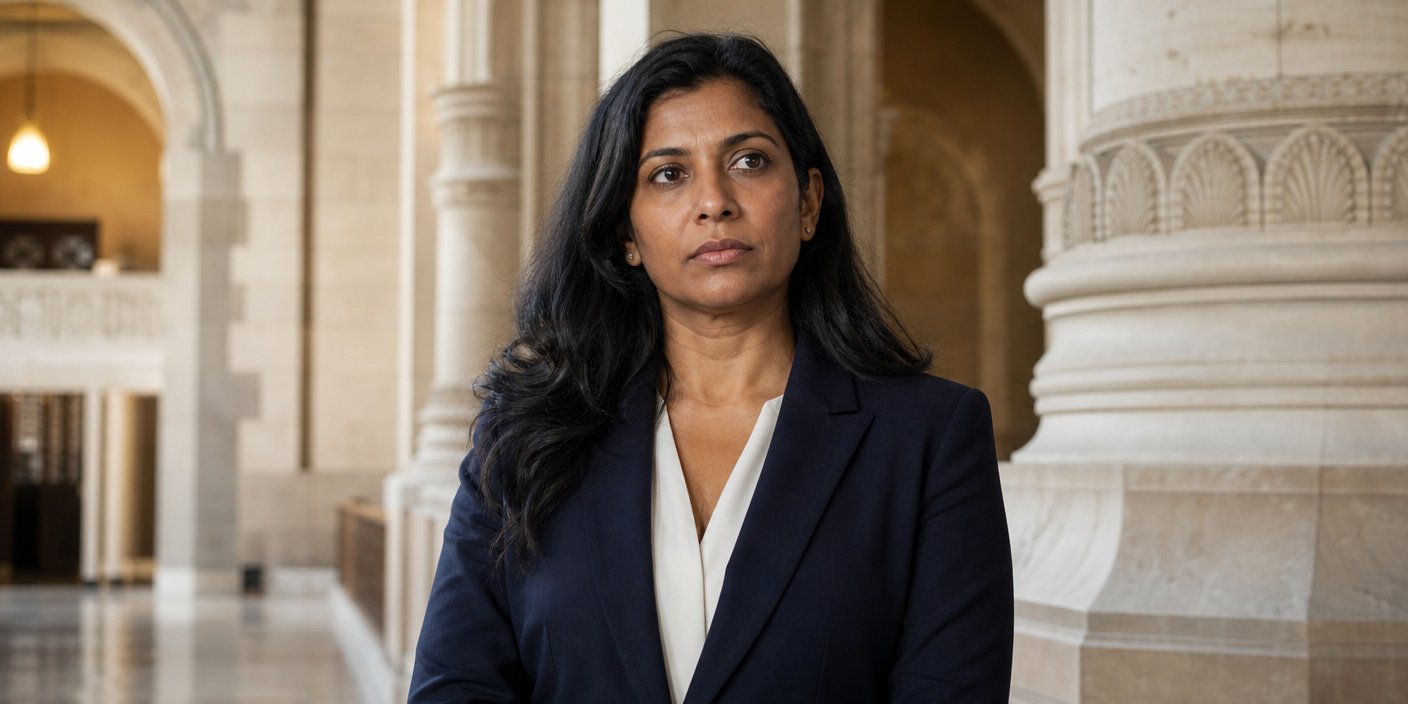
The lawsuit centers on Kaley G.M. She is a 20-year-old woman. She started using social media young. Her claims state Instagram and YouTube were designed to addict children. These platforms allegedly ensnared young users. They kept them hooked on their services. This design fostered compulsive use. It led to severe mental health issues. These include anxiety, depression, and suicidal thoughts. Plaintiffs argue addiction by design is the core issue.
Evidence of Intent
Lawyers presented internal company documents. These showed Meta’s awareness of harms. One internal memo stated a goal. The goal was viewer addiction, not just viewership. Another document suggested targeting teens as tweens. This was to “win big.” Plaintiffs’ attorneys highlighted these findings. They argue Meta knowingly engineered addiction. They did this to maximize profits. Some documents showed concerns from within Meta. These raised issues about child safety policies.
Wider Legal Battles
This trial is a bellwether case. It could set a legal precedent. Thousands of similar lawsuits are pending. These cases blame social media for youth mental health crises. TikTok and Snapchat already settled. They reached confidential agreements. Google-owned YouTube is a co-defendant. The trial focuses on platform design. It examines algorithms and features. These are central to the addiction claims.
Meta’s Defense
Meta’s defense team argues differently. They claim Kaley G.M.’s issues stem from other factors. Her difficult home life is cited. Medical records are presented. These records suggest other causes for her struggles. Meta attorneys also argue Section 230 provides immunity. However, plaintiffs assert this law doesn’t protect design features. The focus is on the platforms’ inherent addictive nature. They dispute that Meta’s platforms significantly harmed the plaintiff.
Looking Ahead
This Los Angeles trial is crucial. It tests the legal responsibility of tech giants. It examines their role in youth mental health. The outcome could reshape industry practices. It might also influence future legislation. Many parents and advocates watch closely. They hope for accountability. This case is significant News for the tech industry. It highlights ongoing debates about online safety. The featured trial continues for several weeks. Jurors will weigh complex evidence. They will decide Meta and Google’s liability.
Key Takeaways
* Mark Zuckerberg testified in a Los Angeles social media trial.
* He expressed regret over Meta’s slow progress on underage user identification.
* Plaintiffs allege Meta deliberately designed addictive platforms.
* Internal documents are key evidence for the plaintiffs.
* TikTok and Snapchat previously settled.
* This trial may set legal precedent for thousands of similar lawsuits.