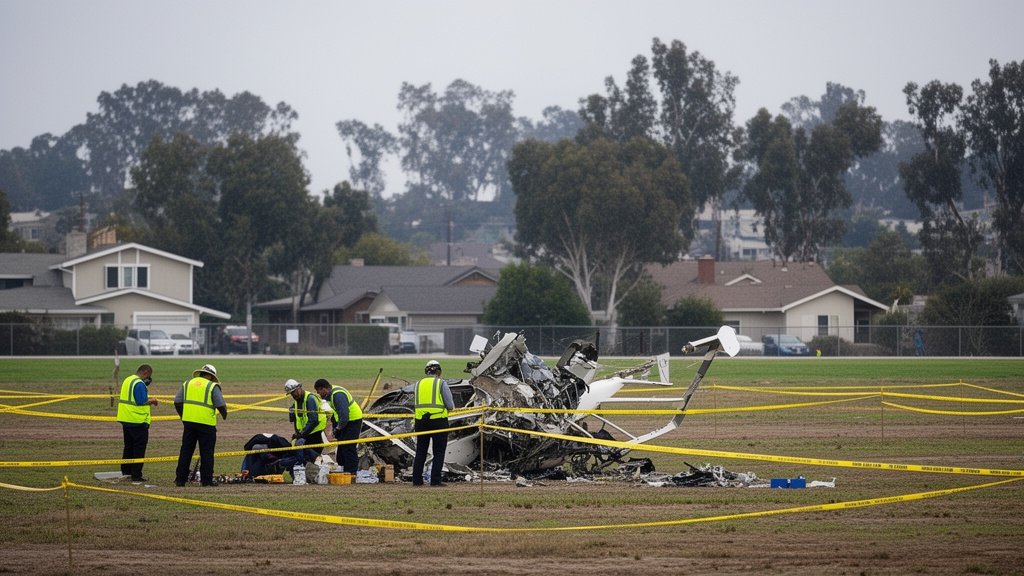
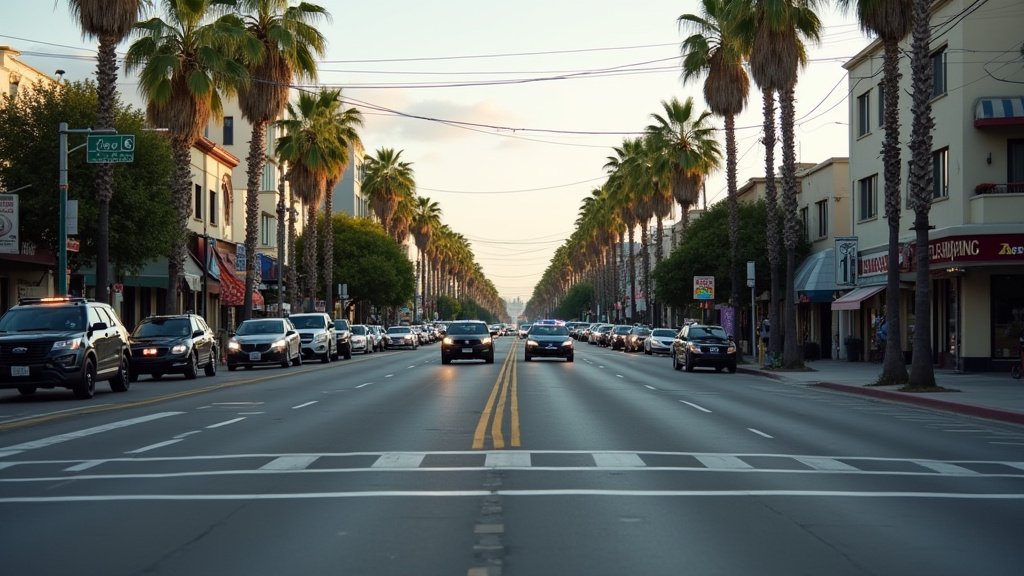
The Los Angeles Police Department’s West Traffic Division is escalating its efforts to resolve a haunting 2022 hit-and-run on Venice Boulevard that left two pedestrians with severe, life-altering injuries. As detectives continue this critical Los Angeles hit-and-run investigation, the city has officially authorized a $25,000 reward for information leading to the identification, arrest, and prosecution of the driver responsible for the carnage. Time has not dimmed the resolve of investigators, who view this open case as a stark reminder of the dangers pedestrians face on metropolitan thoroughfares.
Key Highlights
- Reward: A $25,000 reward is available for information leading to an arrest and conviction.
- Incident: A 2022 hit-and-run collision on Venice Boulevard involving two severely injured pedestrians.
- Authority: The case is being handled by the LAPD West Traffic Division.
- Objective: Detectives are calling on the public to provide leads to help identify the suspect driver.
The Search for Answers: Pursuing Justice on Venice Boulevard
The incident, which occurred on a stretch of Venice Boulevard known for high traffic volume, remains an open wound for the victims and their families. While details of the specific evening remain under the purview of ongoing police inquiries, the sheer severity of the injuries sustained has prompted officials to take the unusual step of seeking substantial public assistance. For law enforcement, these cases are rarely solved by forensic evidence alone; they are almost exclusively cracked by the keen eye of a witness, a tip from a neighbor, or the realization by an associate that the individual they know is connected to a crime.
The Anatomy of a Cold Case Investigation
When a hit-and-run collision occurs, the initial “golden hour” of the investigation—the critical period where physical evidence like paint chips or debris is freshest—often passes without an immediate arrest. In cases like this 2022 Venice Boulevard event, investigators shift tactics. The focus moves from immediate pursuit to long-term community outreach. The LAPD West Traffic Division utilizes a combination of digital forensics, public reward offers, and surveillance analysis to piece together the events of that night.
However, technology has its limits. Surveillance cameras may capture the make and model, but they rarely capture a high-definition image of a driver’s face in high-speed, low-light conditions. This is where the human element becomes paramount. The $25,000 reward is not just a financial incentive; it is a signal to the community that this case remains a high priority for the Los Angeles City Council and the police department, underscoring the severity of the violation.
Traffic Safety and the Urban Landscape
This incident highlights a broader, systemic issue within the Los Angeles urban planning framework. Venice Boulevard, like many arterial roads in the city, acts as a primary conduit for commuters while simultaneously serving as a local street for residents. The tension between high-speed vehicle throughput and the safety of pedestrians is a central point of contention for urban planners and safety advocates.
While this specific case is a criminal matter, it sits within a larger context of the ‘Vision Zero’ movement—an initiative aimed at eliminating traffic fatalities. When a driver flees the scene of a crash that severely injures pedestrians, it strips the victims of the immediate assistance they need, often exacerbating the medical consequences. The societal cost of such events is profound, requiring emergency medical services, long-term rehabilitation, and the diversion of police resources away from other community needs.
The Impact on Survivors and the Path Forward
For the victims, the aftermath of a hit-and-run is not merely physical; it is a profound violation of public trust. Surviving a collision caused by a negligent driver who chooses to abandon the scene adds a psychological layer of trauma to the physical recovery. The legal system, through the incentivization of witness reports, seeks to restore a measure of justice that a fleeing driver attempted to steal.
Experts in criminal justice note that hit-and-run drivers often harbor a misplaced sense of panic, assuming that fleeing will evade consequences. However, the modern investigative net is wide. With the proliferation of ring doorbells, dashcams, and automated license plate readers, the ‘invisible’ driver is becoming a relic of the past. The LAPD’s request for help is a reminder that the public serves as the final, crucial component of the investigative apparatus.
FAQ: People Also Ask
Q: How can I submit a tip to the LAPD regarding the Venice Boulevard case?
A: You can contact the LAPD West Traffic Division directly. You may also provide information anonymously through L.A. Regional Crime Stoppers at 1-800-222-TIPS (8477) or online at www.lacrimestoppers.org.
Q: Will my identity be protected if I come forward with information?
A: Yes. Many jurisdictions, including Los Angeles, utilize anonymous tip lines specifically designed to protect the identity of whistleblowers and witnesses who fear retaliation or simply wish to avoid involvement in the public legal process.
Q: What is the significance of the $25,000 reward amount?
A: The reward is authorized by the Los Angeles City Council. Significant dollar amounts are typically attached to cold cases or hit-and-runs to incentivize members of the public who may have been hesitant to come forward, potentially overcoming the fear of getting involved or the inertia of silence.
Q: Does the reward expire?
A: While reward offers can occasionally be time-sensitive, they are usually active until an arrest and conviction are secured or until the City Council motions to withdraw the offer. It is best to contact the West Traffic Division or the office of the council member representing the area to confirm the current status of the reward.