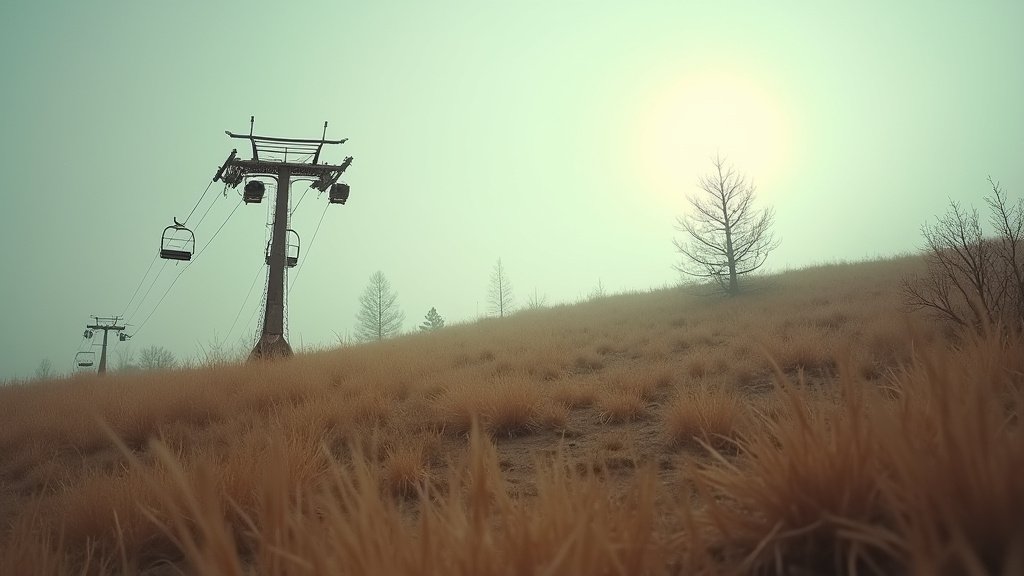
California’s snowpack is alarmingly low, exacerbated by an intense heat wave, while the West grapples with a deepening water crisis. Innovative, albeit controversial, solutions like nuclear power are being considered to address the critical water shortages facing the Colorado River and surrounding regions. This precarious situation is also heightening fears of wildfires in vulnerable ski towns.
Key Highlights:
- California is experiencing a significant heat wave, intensifying concerns over its already meager snowpack.
- The West faces a worsening water crisis, with the Colorado River’s issues becoming more severe.
- Nuclear power is being proposed as a potential solution to the region’s water scarcity.
- Poor snow conditions are increasing wildfire risks in popular ski destinations.
The Gathering Storm: Water Scarcity in the American West
The American West is at a critical juncture, facing a multi-faceted water crisis that threatens ecosystems, economies, and communities. The confluence of dwindling snowpack, prolonged droughts, and increasing temperatures has placed immense strain on vital water resources like the Colorado River. California’s current predicament, with an exceptionally meager snowpack already insufficient for its needs and now hit by an extraordinary heat wave, serves as a stark indicator of the broader regional challenges. This heat wave not only accelerates the melt of what little snow remains but also significantly increases water demand for agriculture and urban consumption, further depleting reservoirs.
The implications of this water scarcity extend beyond immediate supply concerns. In mountainous regions that rely on winter tourism, a bad snow year directly impacts local economies. Furthermore, the dry conditions exacerbate the risk of wildfires, turning scenic landscapes into tinderboxes. The interconnectedness of these issues paints a grim picture, necessitating urgent and innovative solutions.
Nuclear Power: A Controversial Lifeline?
Amidst the deepening crisis, unconventional solutions are being brought to the forefront. One such proposal involves leveraging nuclear power to address water scarcity. The concept typically revolves around using the immense energy generated by nuclear reactors for large-scale desalination of seawater or for powering advanced water purification and recycling systems. Proponents argue that nuclear power offers a reliable, carbon-free energy source that could significantly boost water supply without exacerbating climate change. Desalination, in particular, could provide a drought-proof source of freshwater for coastal communities. However, concerns regarding the safety, cost, and waste disposal associated with nuclear technology remain significant hurdles.
The Colorado River’s Deepening Predicament
The Colorado River, a vital water source for over 40 million people across seven states and Mexico, is under severe stress. Decades of over-allocation, coupled with persistent drought and reduced inflows from snowmelt, have led to historically low reservoir levels at Lake Mead and Lake Powell. The river’s problems are not new, but they are intensifying, forcing unprecedented water restrictions and raising fears about the long-term sustainability of water supplies for the region. The delicate balance of water management for the Colorado River Basin is being tested like never before, demanding difficult conversations and potentially drastic measures.
Wildfire Fears in Ski Country
Ski towns, typically associated with abundant snowfall, are increasingly finding themselves on the front lines of the climate crisis. A lack of snow not only impacts the tourism industry, which is the economic backbone of many of these communities, but also contributes to drier vegetation and increased wildfire risk. As snow seasons shorten and become less predictable, these areas face a dual threat: economic hardship and the danger of devastating wildfires. This shift underscores the widespread ecological and economic impacts of climate change, reaching even the most robust winter destinations.
FAQ: People Also Ask
What is causing the water crisis in the Western US?
The primary drivers of the water crisis in the Western US include prolonged drought conditions, reduced snowpack leading to less snowmelt runoff, increasing temperatures that accelerate evaporation and water demand, and historical over-allocation of water resources, particularly from the Colorado River.
How can nuclear power help with water shortages?
Nuclear power plants can be used to generate the significant energy required for large-scale desalination of seawater, making it a viable source of freshwater for arid coastal regions. Additionally, the power generated can support advanced water treatment and recycling facilities.
What are the risks associated with the Colorado River’s low levels?
The low levels of the Colorado River and its major reservoirs, Lake Mead and Lake Powell, threaten water supplies for millions of people, impact agriculture, generate hydroelectric power, and can lead to ecological damage. It could also trigger mandatory water cuts for states in the basin.
How does a bad snow year affect ski towns?
A poor snow year directly impacts ski resorts’ ability to operate, leading to reduced tourism revenue, job losses, and economic hardship for ski towns. It also contributes to drier conditions that increase the risk of wildfires.
What are the main concerns about using nuclear power for water solutions?
Key concerns include the high cost of construction and operation, the safe disposal of radioactive waste, the potential for accidents, and public perception and acceptance of nuclear technology.