The Legal Shift in California Zoning
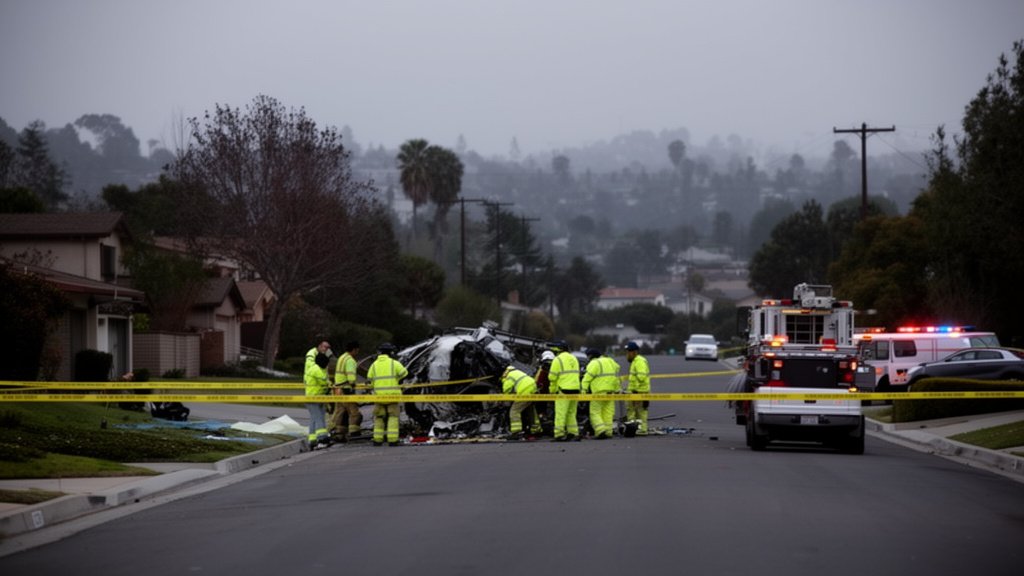
In a landmark legal resolution that promises to reshape the residential landscape of two of California’s most iconic communities, the cities of Malibu and Pasadena have reached a settlement agreement with housing advocates, effectively ending a high-stakes lawsuit regarding post-fire rebuilding regulations. The agreement, finalized this week, marks a significant victory for pro-housing groups that argued local zoning restrictions were exacerbating the state’s housing crisis, particularly in areas desperate for revitalization following the catastrophic 2026 Eaton and Palisades fires.
Under the terms of the settlement, both municipalities have agreed to clear the path for the development of up to four-unit multiplexes on properties previously zoned exclusively for single-family residences. This decision is not merely a bureaucratic adjustment; it represents a fundamental shift in how California cities navigate the friction between local planning autonomy and state-mandated housing objectives. The settlement effectively overrides previous local ordinances that attempted to limit density in the burn zones, mandates that had previously stalled recovery efforts for homeowners seeking to maximize their land use.
The Anatomy of the Standoff
The litigation, led by a coalition of ‘Yes In My Backyard’ (YIMBY) organizations, targeted the cities’ interpretation of state housing laws following the devastating fire season of 2026. The Eaton and Palisades fires, which swept through significant portions of Los Angeles County, left thousands of residents displaced and entire neighborhoods in need of reconstruction. While state law (including various iterations of SB 9 and SB 10 legislation) generally permits the construction of multi-unit dwellings on single-family lots, Malibu and Pasadena officials had cited ‘community character’ and ‘infrastructure limitations’ as grounds for maintaining strict single-family zoning within the disaster-affected zones.
The plaintiffs argued that such restrictions were discriminatory and prevented the efficient delivery of ‘missing middle’ housing—the architectural sweet spot between a detached single-family home and a large apartment complex. By limiting the rebuilding of destroyed sites to single-family structures, the cities were effectively artificially depressing supply during a period of acute need. With this settlement, the cities have conceded that the state’s housing mandates supersede local zoning restrictions, even within geographically sensitive coastal and foothill environments.
Rethinking Post-Disaster Development
The ‘Missing Middle’ Philosophy
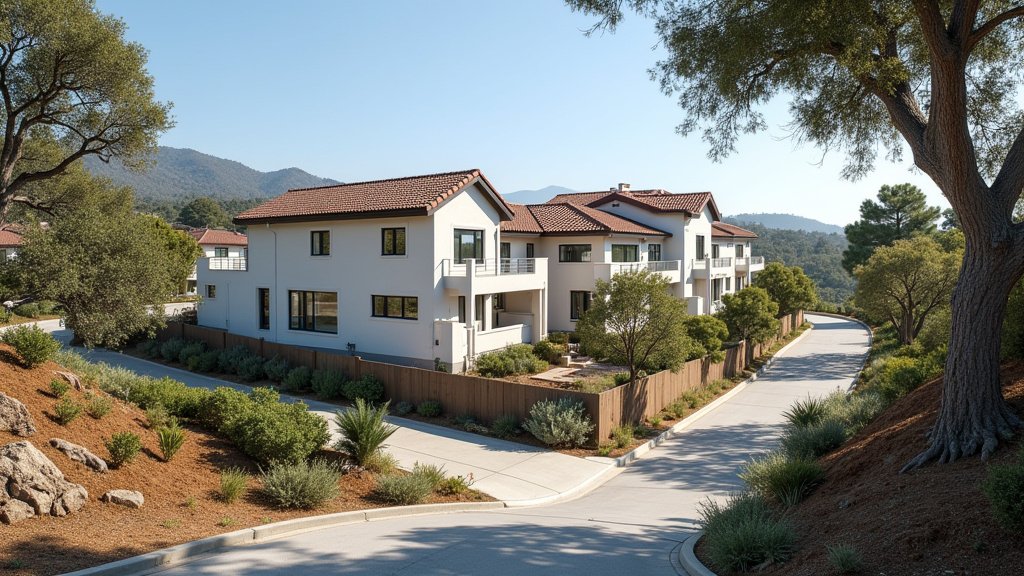
The central tension of this dispute has been the definition of ‘missing middle’ housing. Proponents of the settlement suggest that allowing four-unit multiplexes on single-family footprints is the most efficient way to increase density without drastically altering the aesthetic profile of a neighborhood. A four-plex, if designed with architectural sensitivity, can resemble a large single-family home while providing housing for four separate households. This approach is particularly effective in places like Pasadena and Malibu, where land values are among the highest in the nation.
For the California Department of Housing and Community Development (HCD), the settlement is being hailed as a blueprint for future recovery efforts. The HCD has long maintained that disaster zones should not be rebuilt exactly as they were if those original designs were exclusionary or unsustainable. By embedding density into the rebuilding process, the state believes it can create more resilient, interconnected communities that are less reliant on traditional sprawl.
Balancing Safety with Density
A primary point of contention raised by opponents of the zoning shift was the risk of fire. Critics argued that higher-density environments in the Wildland-Urban Interface (WUI) could complicate evacuation protocols and place more residents in harm’s way during future fire events. The settlement addresses this through a ‘safety-first’ development mandate. All new multiplexes approved under this agreement must adhere to the latest 2026 building codes, including mandatory fire-resistant siding, upgraded sprinkler systems, and automated defensible space maintenance agreements. This ensures that the push for density does not come at the cost of life safety.
Economic and Infrastructure Implications
Real Estate Market Repercussions
The economic impact of this settlement cannot be overstated. Property owners in the affected Eaton and Palisades zones now possess a significantly higher ‘highest and best use’ valuation for their land. By-right permission to build four units instead of one creates an immediate upside for potential developers and homeowners alike. However, this also introduces complexity into property tax assessments and insurance premiums, which are already skyrocketing in fire-prone regions. Local economists predict a short-term ‘gold rush’ for development permits, followed by a stabilization period as the market adjusts to the new supply of multi-family units.
Infrastructure Capacity Concerns
Despite the legislative victory, the physical infrastructure of Malibu and Pasadena—specifically sewage, water, and grid capacity—remains a sticking point. During negotiations, city planners expressed concern that the existing utility grids in the burn zones were designed for single-family consumption and would require substantial retrofitting to support the increased water and electrical load of four-unit dwellings. The settlement includes a provision requiring the cities to conduct a feasibility study on infrastructure upgrades within the next 18 months, with the cost of these upgrades to be partially offset by development impact fees levied on the new multi-unit projects.
As Malibu and Pasadena move forward with these changes, the eyes of the nation remain fixed on how the ‘missing middle’ will take shape on the ground. Will these new multiplexes provide the necessary relief for the housing crisis, or will they create new logistical headaches for city planners? Only time will tell, but one thing is certain: the era of exclusive, single-family-only rebuilding in these zones has come to an end.
FAQ: People Also Ask
Q: Does this settlement mean that any single-family home in Malibu or Pasadena can be converted to a four-plex?
A: No. This settlement specifically applies to the properties located within the designated burn zones of the 2026 Eaton and Palisades fires. It is a targeted policy aimed at post-disaster reconstruction, not a city-wide zoning overhaul.
Q: How does this impact my homeowner’s insurance in a fire-prone area?
A: Increasing density in high-fire-risk zones is a complex variable for insurers. While the buildings themselves must be constructed to current, safer standards, the increased number of residents per acre may lead to nuanced risk assessment changes by insurance providers. Homeowners are advised to consult with their insurers regarding specific underwriting changes for multi-unit properties.
Q: Is this a precedent for other California cities?
A: Legal experts suggest that this settlement creates a strong persuasive precedent. By forcing cities to yield on zoning in disaster zones, the state has signaled a clear intent to prioritize housing supply over local exclusionary zoning, likely influencing future litigation in other California municipalities.
Q: What is the timeline for these new developments?
A: The settlement requires the cities to finalize the new zoning maps and administrative procedures within six months. Developers can begin submitting applications for four-unit multiplexes immediately following the adoption of these new ordinances, with some projects expected to break ground as early as Q3 2027.