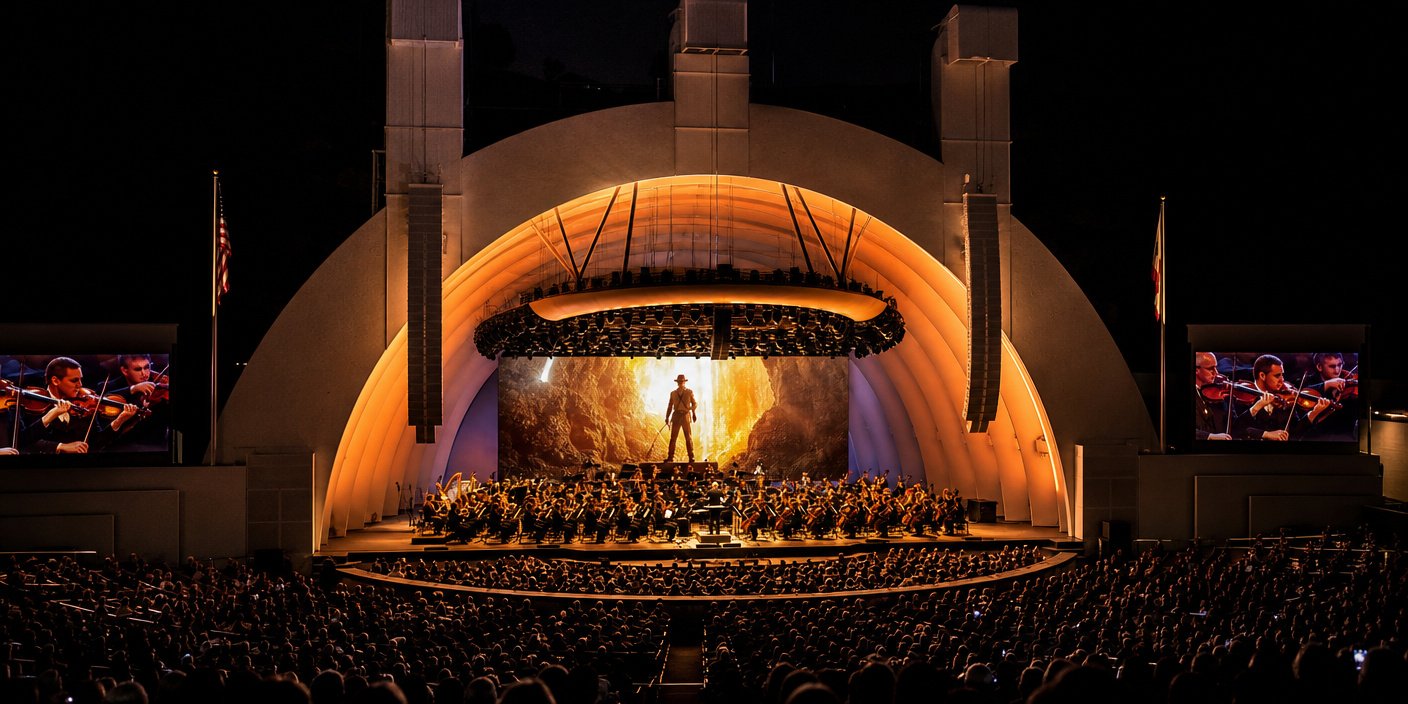
The Los Angeles International Ukulele Festival is celebrating a significant milestone this weekend, September 18-20, as it marks its 10th anniversary at the Torrance Cultural Arts Center. For a decade, this gathering has served as the West Coast’s premier destination for enthusiasts of the ‘four-string wonder,’ bridging the gap between historical tradition and modern musical expression. Bringing together a diverse community of musicians, fans, and novices, the festival continues to highlight the instrument’s unique growth in popularity and its remarkable accessibility in the contemporary music landscape.
The Historical Roots of a Cultural Phenomenon
To understand the gravity of a 10th-anniversary celebration, one must look at the historical trajectory of the ukulele itself. Originally derived from the Portuguese machete, the instrument was brought to Hawaii in the late 19th century. Its journey from a local Hawaiian staple to a global icon of joy and simplicity is nothing short of extraordinary. The Los Angeles International Ukulele Festival has played a crucial role in curating this narrative for Southern California audiences. By hosting the event at the Torrance Cultural Arts Center, organizers have established a hub that honors the instrument’s heritage while fostering a forward-thinking environment. The festival isn’t merely a concert series; it is a repository of musical education, where the history of the ukulele is kept alive through archives, storytelling, and the preservation of traditional playing techniques.
The Educational Engine: Democratizing Music
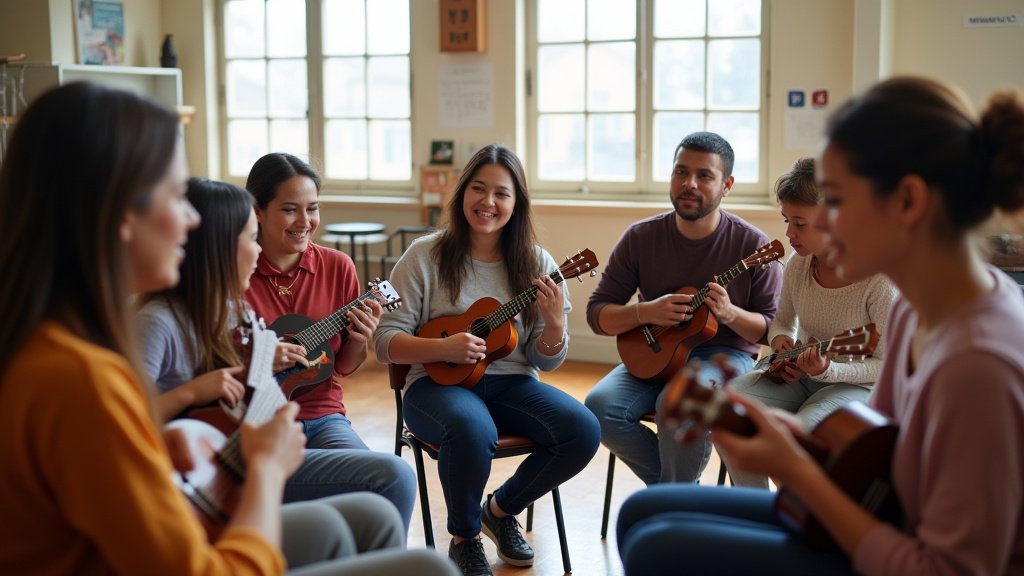
One of the defining features of the LA Ukulele Festival is its unwavering commitment to workshops and skill development. Unlike many music festivals that focus exclusively on passive consumption, this event is designed for active participation. The workshops scheduled for this weekend range from beginner-level chord navigation to advanced percussive techniques, ensuring that players of all skill levels find value in the curriculum. This educational focus is a major driver of the ukulele’s surge in popularity. Because the instrument is relatively affordable and physically manageable, it serves as the perfect entry point for aspiring musicians who may find other instruments, such as the guitar or piano, too intimidating or costly to begin. By providing expert instruction, the festival removes barriers to entry, effectively democratizing music education and fostering a new generation of hobbyists and professionals alike.
Economic and Community Impact: The ‘Third Place’ Effect
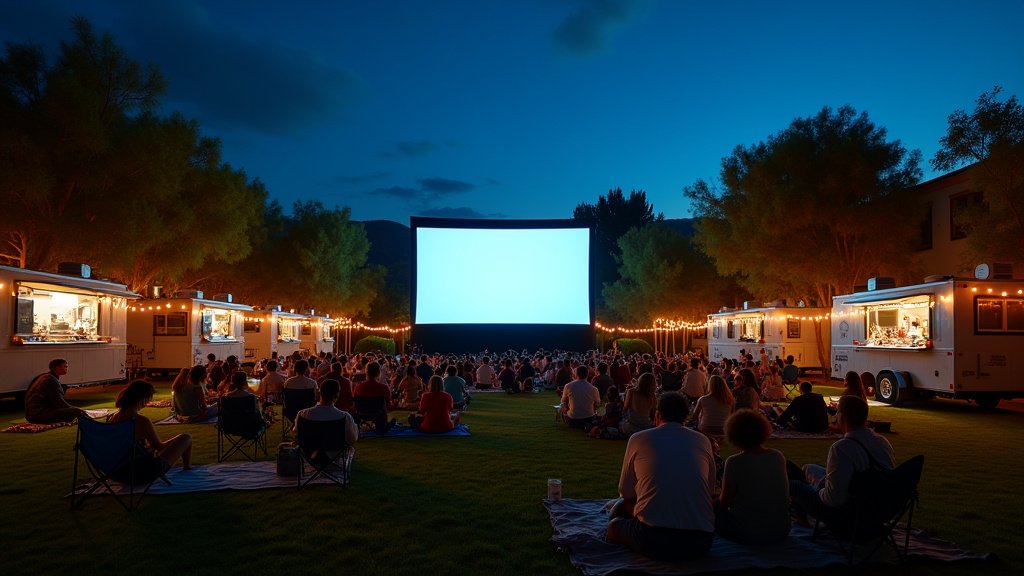
The economic and social impact of the festival extends well beyond the walls of the Torrance Cultural Arts Center. In urban planning and sociology, the concept of a ‘third place’—a social environment separate from the home and the workplace—is vital for community health. Festivals like this provide that space, creating a temporary yet powerful community that revolves around a shared passion. Locally, the event brings significant foot traffic to the Torrance area, supporting local vendors, catering, and hospitality services. Beyond the immediate economic metrics, the festival acts as a catalyst for local arts advocacy. By showcasing the talent of local artists alongside international performers, the festival reinforces the importance of funding and maintaining cultural arts centers, which remain the lifeblood of regional artistic expression. It serves as a reminder that physical gathering spaces are irreplaceable in the digital age, offering a depth of human connection that virtual jam sessions simply cannot replicate.
The Four-Stringed Future: Resilience and Evolution
Looking toward the next decade, the ukulele is positioned better than ever to remain a dominant force in home music-making. The 10th anniversary of the Los Angeles International Ukulele Festival marks a transition point. As technology evolves, we are seeing a fascinating interplay between traditional acoustic craft and digital learning tools. Ukulele tutorials on platforms like YouTube and dedicated apps have bolstered the instrument’s reach, and the festival serves as the physical anchor for this digital growth. The future of the ukulele—and by extension, the festival—lies in this hybrid model: using the internet to lower the barrier to entry while relying on community gatherings to provide the necessary social reinforcement that keeps players engaged for years. The upcoming weekend in Torrance is not just a celebration of the past ten years; it is a declaration of the instrument’s permanence in the cultural zeitgeist.
FAQ: People Also Ask
What are the main activities at the Los Angeles International Ukulele Festival?
The festival centers on a mix of educational workshops, live performances, and communal jam sessions. Attendees can choose from various skill-based clinics led by professional musicians, watch concerts throughout the weekend, and participate in open-jam spaces designed to encourage community interaction.
Why is the Torrance Cultural Arts Center chosen as the venue?
The center is chosen for its acoustic quality, central accessibility for Los Angeles-area attendees, and its infrastructure that supports both large-scale performances and small-group educational workshops. It has become the consistent, iconic home for this event over the last decade.
Is the festival suitable for beginners?
Absolutely. One of the primary goals of the Los Angeles International Ukulele Festival is accessibility. The event is intentionally designed to cater to everyone from complete novices picking up the instrument for the first time to seasoned performers looking to refine their technique.
How has the ukulele grown in popularity over the last 10 years?
The ukulele has seen a massive surge in popularity, largely due to its affordability, ease of play, and the rise of digital educational resources. Community events like this festival have helped transition the instrument from a niche cultural object to a mainstream tool for musical expression and personal well-being.