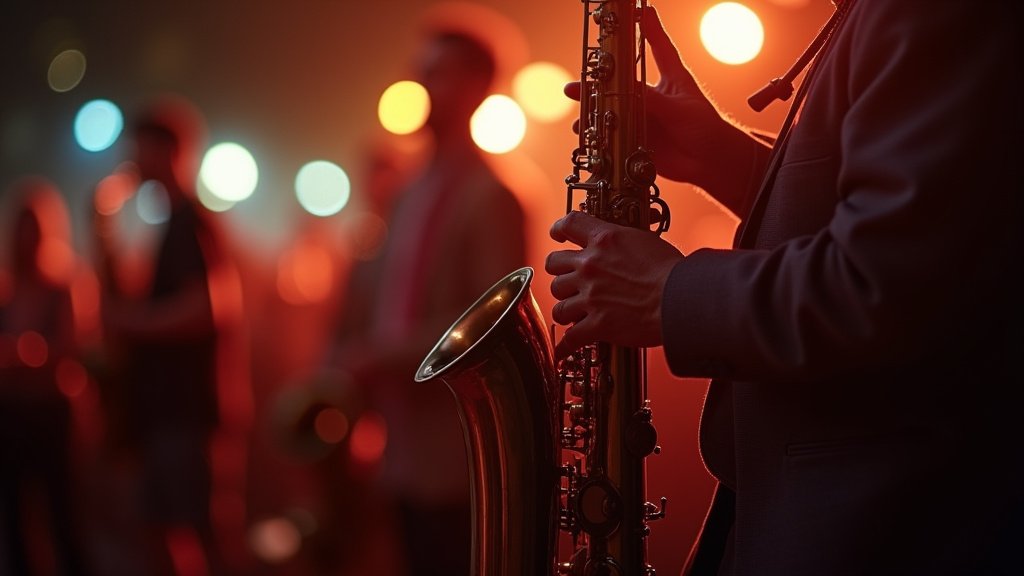
The Santa Monica International Jazz Festival has officially kicked off, bringing a vibrant wave of music and culture to the iconic coastal city. This year’s festival promises an electrifying lineup of acclaimed jazz artists, emerging talents, and genre-bending performances, drawing enthusiasts from around the globe to experience the rich tapestry of jazz.
Key Highlights:
- A star-studded lineup featuring both legendary jazz icons and exciting new voices.
- Diverse musical offerings spanning traditional jazz, fusion, blues, and contemporary improvisations.
- Engaging workshops and masterclasses led by world-renowned musicians.
- Multiple stages across Santa Monica, creating a city-wide jazz celebration.
- A focus on community engagement and the promotion of jazz education.
A Symphony of Sound on the Pacific Coast
The Santa Monica International Jazz Festival, a celebrated annual event, has once again transformed the picturesque seaside city into a global hub for jazz aficionados. From its inception, the festival has been dedicated to showcasing the evolution and enduring appeal of jazz music, fostering an environment where both seasoned performers and rising stars can share their artistry. This year’s iteration is no exception, with organizers curating a program designed to captivate audiences with its breadth and depth.
The festival’s main stages will host a series of performances that traverse the diverse landscape of jazz. Attendees can expect to be moved by the soulful melodies of classic jazz standards, invigorated by the complex improvisations of modern fusion, and enthralled by the raw energy of blues-infused sets. The programming committee has meticulously selected artists who not only possess exceptional technical skill but also a profound ability to connect with their audience, ensuring each performance is a memorable experience.
Beyond the Stages: Immersive Jazz Experiences
This year’s festival extends beyond the traditional concert format, offering a range of immersive experiences designed to deepen attendees’ appreciation for jazz. Masterclasses and workshops led by internationally recognized musicians provide invaluable insights into the craft of jazz performance, composition, and improvisation. These sessions offer aspiring musicians and curious listeners alike a unique opportunity to learn from the best in the field. Furthermore, panel discussions featuring music historians, critics, and artists will explore the rich history of jazz and its cultural significance, providing context and illuminating the genre’s ongoing evolution.
A Celebration of Community and Culture
The Santa Monica International Jazz Festival is more than just a series of concerts; it’s a cultural phenomenon that brings together a diverse community of music lovers. The festival grounds buzz with an infectious energy, as people from all walks of life gather to share their passion for jazz. Local food vendors offer a taste of Santa Monica’s vibrant culinary scene, while art installations and pop-up shops add to the festive atmosphere. The event also places a strong emphasis on jazz education, with dedicated programs aimed at inspiring the next generation of musicians and ensuring the continued vitality of the genre.
The Economic and Cultural Ripple Effect
The impact of the Santa Monica International Jazz Festival extends far beyond the realm of music. As a significant cultural event, it draws thousands of visitors to the city, providing a substantial boost to the local economy. Hotels, restaurants, and local businesses experience increased patronage during the festival, underscoring its role as a vital contributor to Santa Monica’s tourism and cultural landscape. The festival also serves to enhance the city’s reputation as a cultural destination, attracting artists and audiences who contribute to its dynamic and diverse identity.
Charting the Future of Jazz
While honoring its rich heritage, the Santa Monica International Jazz Festival remains keenly focused on the future of jazz. The inclusion of contemporary artists who are pushing the boundaries of the genre ensures that the festival remains at the forefront of musical innovation. This forward-looking approach highlights the adaptability and enduring relevance of jazz in the 21st century, showcasing its capacity to absorb new influences and evolve while staying true to its core principles. The festival serves as a crucial platform for these artists to connect with a wider audience and shape the future soundscape of jazz.
FAQ: People Also Ask
What are the main genres featured at the festival?
The festival features a wide array of jazz subgenres, including traditional jazz, swing, bebop, cool jazz, hard bop, jazz fusion, Latin jazz, smooth jazz, and contemporary improvisational music. The programming aims for diversity to appeal to a broad spectrum of jazz enthusiasts.
Are there opportunities for aspiring musicians to participate or learn?
Yes, the festival often includes masterclasses, workshops, and jam sessions led by renowned musicians, offering invaluable learning experiences for aspiring artists. Check the official festival schedule for details on educational events.
How does the festival contribute to the local Santa Monica community?
Beyond providing a significant economic boost through tourism, the festival often partners with local organizations and schools to promote jazz education and cultural enrichment within the Santa Monica community. It enhances the city’s cultural profile and offers residents access to world-class performances.
Can I purchase tickets at the venue?
Ticket availability at the venue can vary. It is highly recommended to check the official festival website for the most up-to-date information on ticket sales, pricing, and whether on-site purchases will be available.
What is the historical significance of jazz festivals in cities like Santa Monica?
Jazz festivals have historically played a crucial role in popularizing jazz, providing platforms for artists, and fostering community engagement around the music. Cities like Santa Monica, with their vibrant cultural scenes, have often become central to these movements, showcasing jazz as a dynamic and evolving American art form.