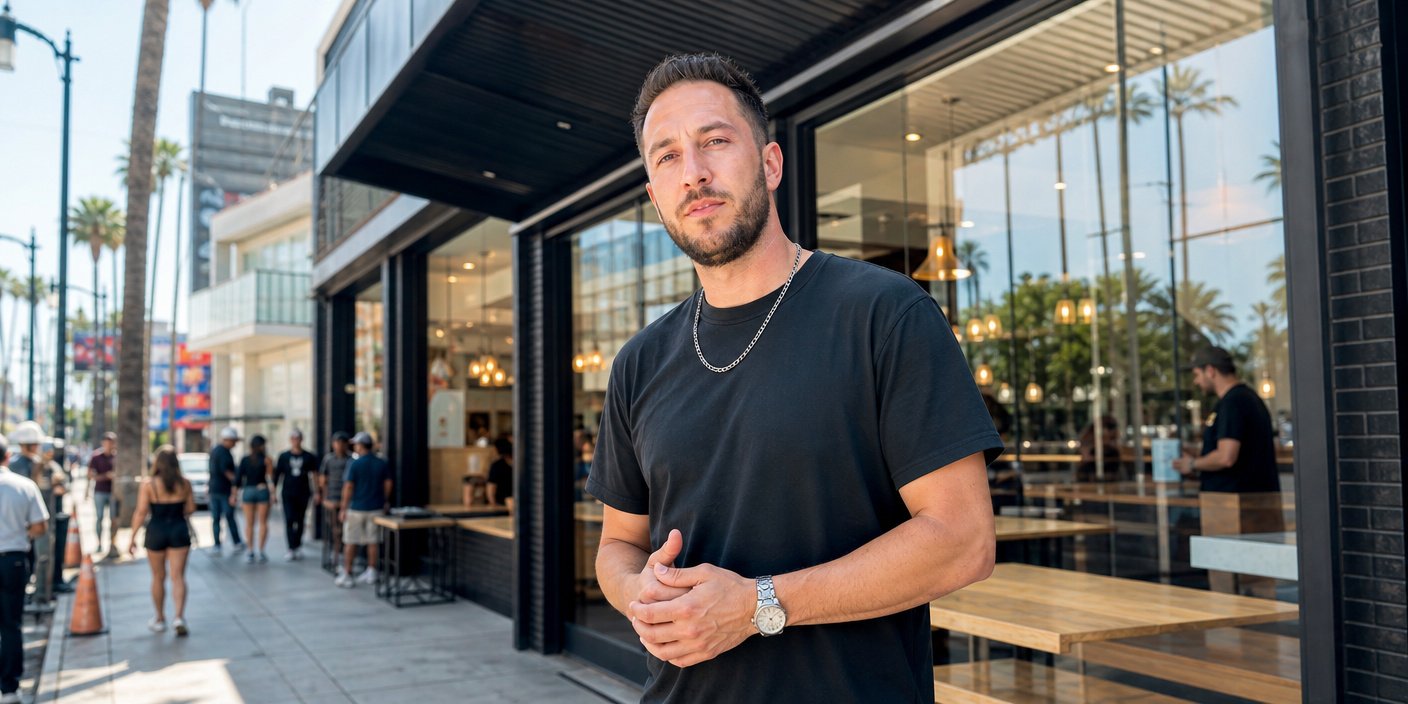
Social media personality and content creator Mike Majlak has officially confirmed the transition of his viral food venture, 10/10 Burger, from a nomadic pop-up concept to a permanent, brick-and-mortar establishment located in the heart of Hollywood. The restaurant, which has garnered significant digital traction and anticipation, is scheduled to open its doors on October 10—a date meticulously chosen to align with the brand’s numerical identity. This move marks a pivotal shift for Majlak, representing a strategic pivot from the influencer-led ‘limited drop’ business model to the high-stakes, operational intensity of the Los Angeles hospitality industry.
Key Highlights
- Strategic Launch Date: The 10/10 Burger brick-and-mortar location is set to debut on October 10, perfectly mirroring the brand’s name for maximum marketing synergy.
- Hollywood Integration: The restaurant will be situated in Hollywood, positioning the brand in one of the most competitive and high-visibility food scenes in the world.
- Evolution of the Brand: This opening signifies a permanent move for the 10/10 Burger, shifting away from temporary pop-up events and catering services to a full-service hospitality operation.
- Influencer-to-Business Pipeline: The launch serves as a case study in how modern creators leverage personal brand equity to disrupt traditional service industry sectors.
The Strategic Pivot: From Digital Hype to Physical Hospitality
The Marketing Genius of the October 10 Launch
In the modern landscape of influencer-led businesses, the ability to capitalize on brand identity is paramount. Mike Majlak’s decision to open the 10/10 Burger location on October 10 is more than just a logistical convenience; it is a masterclass in brand alignment. By choosing the tenth day of the tenth month, Majlak ensures that the launch date itself functions as a permanent mnemonic for the brand name. This type of ‘calendar-based marketing’ is notoriously effective in the digital age, where social media algorithms favor dates and events that possess innate discoverability and memorability. For a brand that relies heavily on digital engagement, this alignment provides a seamless hook for social media content, press coverage, and consumer curiosity.
The Hollywood Hospitality Landscape
Hollywood is a notoriously difficult environment for new restaurants. It is an ecosystem defined by high rents, immense competition, and a customer base that is constantly chasing the ‘next big thing.’ However, it also offers unparalleled access to a demographic that is highly susceptible to influencer marketing. By planting the 10/10 Burger flag in Hollywood, Majlak is signaling confidence in the product’s quality. He is moving past the phase where the business can rely solely on his personal fame; in a permanent location, the quality of the product—the burger itself—must sustain the business long after the initial ‘launch hype’ dissipates. This creates an interesting tension between the ‘social currency’ of the owner and the ‘culinary currency’ of the establishment.
The Economics of the Influencer Brand
We are currently witnessing a broader trend of content creators moving into the physical goods sector. From beverages to fast food, these businesses operate with a significant ‘head start’ compared to traditional startups, primarily due to the built-in marketing machine of the owner’s audience. However, this also brings unique challenges. Scaling from a pop-up kitchen to a full-time restaurant requires a transition in operational expertise. The economics of running a physical kitchen—managing supply chains, staffing, health code compliance, and consistent daily service—differ wildly from the agile, low-overhead nature of a pop-up. Majlak’s move to a brick-and-mortar location suggests that the 10/10 Burger has achieved the operational maturity required to handle daily volume without sacrificing the quality that earned the brand its name.
Challenges and Future Predictions
While the buzz surrounding the opening is undeniable, the long-term success of the 10/10 Burger will depend on several factors beyond the opening week. Can the establishment sustain a crowd in a post-launch environment? Will the brand effectively translate its digital voice into an in-person hospitality experience that encourages repeat visits? The most successful influencer-led food brands, such as those launched by Logan Paul or MrBeast, have demonstrated that while the ‘hook’ brings the first wave of customers, the ‘hook’ alone cannot retain them. The 10/10 Burger must offer a genuine, high-quality product that stands on its own merits. If the kitchen delivers, we may see this expand into a multi-location franchise. If not, it risks becoming a cautionary tale about the limitations of social media influence in the concrete world of service and hospitality.
FAQ: People Also Ask
Why is it called 10/10 Burger?
The name is a play on the ’10/10′ rating system, often used in social media and food reviews to signify perfection. By naming the brand 10/10, Majlak is setting a high expectation for quality and branding the concept as the pinnacle of the burger experience.
Is this Mike Majlak’s first restaurant?
Yes, this is Mike Majlak’s first formal, permanent brick-and-mortar restaurant location. Previous iterations of the 10/10 Burger existed as pop-up events and marketing activations, which served as a proving ground for the brand’s viability.
Where is the new restaurant located?
The new 10/10 Burger establishment is located in Hollywood, placing it in the heart of the Los Angeles food and entertainment scene, a strategic choice intended to capture high foot traffic and maintain relevancy.
Will Mike Majlak be there regularly?
While official schedules for his appearances haven’t been released, the nature of influencer-led businesses suggests that the founder will likely be a primary face of the brand during the initial launch phase to drive engagement and organic social media content.
How is this different from a pop-up?
A pop-up is a temporary event. A brick-and-mortar location represents a permanent business commitment. It requires daily staffing, a fixed menu, operational overhead, and consistent health and safety management, moving the brand into the professional hospitality category.