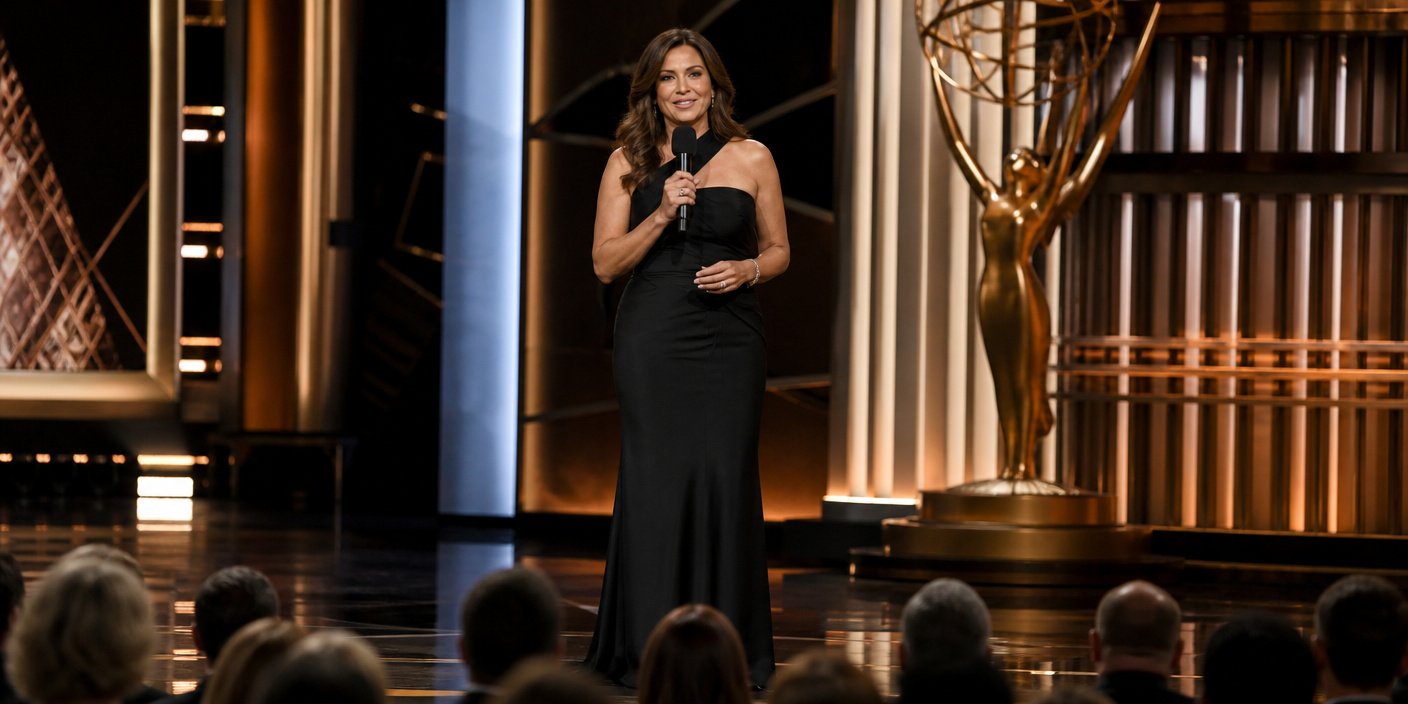
The 78th Emmy Awards transformed the Peacock Theater into the absolute epicenter of television excellence this Monday, with legendary star Mariska Hargitay stepping into the spotlight as the evening’s host. The star-studded ceremony brought together the brightest talents in the industry to celebrate the achievements defining this year in broadcast, cable, and streaming media, marking a significant milestone for the Television Academy.
A New Standard for Televised Excellence
Mariska Hargitay’s Hosting Debut
Mariska Hargitay, widely recognized for her enduring performance as Olivia Benson on the long-running series “Law & Order: SVU,” brought a unique blend of gravitas and charisma to the 78th Emmy Awards. Known for her advocacy work and deep industry respect, Hargitay’s presence as the host provided a stabilizing anchor for an evening of high-stakes recognition. Her monologue, which touched on the changing landscape of television narrative and the importance of storytelling in a digital age, resonated with the industry veterans and new creators alike present at the Peacock Theater. The choice of Hargitay underscores a shift toward hosts who carry significant cultural weight and long-term industry dedication, a move widely praised by critics observing the ceremony’s production values.
The Peacock Theater Advantage
Situated in the heart of Los Angeles, the Peacock Theater has become the premier venue for major industry celebrations, and the 78th Emmys served as a testament to its technical capabilities. The venue provided a sleek, modern backdrop that complemented the evening’s visual presentation. From the red carpet arrival to the final award announcement, the production design utilized the theater’s expansive stage to create an intimate atmosphere despite the large audience. The technical precision of the live broadcast was evident, with seamless transitions between the stage, pre-taped segments, and live reactions from the nominees, highlighting the synergy between the Television Academy and the production team.
The Evolving Landscape of Television
The 78th Emmys were not just a celebration of the past year’s hits; they served as a mirror reflecting the rapid evolution of how audiences consume content. As the distinction between traditional broadcast and streaming platforms continues to blur, the categories represented at this year’s ceremony demonstrated a broader inclusivity of narrative formats. The awards highlighted that quality storytelling remains the primary currency of television, regardless of the distribution channel. This year’s nominees and winners reflected a diverse array of perspectives, signaling a departure from legacy structures and moving toward a more representative industry standard.
Secondary Angle: The Economic Impact of the Emmys
The Emmys function as more than just an awards show; they act as a massive economic engine for the entertainment industry in Southern California. The 78th iteration injected significant capital into the local economy, from the logistical demands of the Peacock Theater to the hospitality and security sectors involved in such a high-profile gathering. Furthermore, winning or even being nominated provides a massive marketing ROI for studios and networks, often resulting in increased streaming subscriptions, physical media sales, and long-term licensing opportunities. This economic cycle reinforces the importance of the Emmys as a cornerstone of the Hollywood business model.
Secondary Angle: The Legacy of Long-Form Television
With Mariska Hargitay—a figure defined by her commitment to one of the longest-running scripted shows in history—at the helm, the 78th Emmys inadvertently highlighted the enduring value of long-form television. In an era often obsessed with short-term, “binge-able” content, the ceremony underscored the cultural power of shows that evolve with their audiences over decades. Hargitay’s own career path serves as a blueprint for the stability and deep audience connection that modern studios are increasingly seeking to emulate, even as they experiment with shorter season orders and limited series.
Secondary Angle: The Future of Live Award Shows
The success of this year’s event raises interesting questions about the future of live award ceremonies. Faced with competition from digital-first content and fragmented attention spans, the 78th Emmys utilized a mix of traditional presentation and social-media-ready moments to maintain relevance. By anchoring the event with a universally respected figure like Hargitay, the Television Academy managed to successfully bridge the gap between legacy television fans and the younger, streaming-focused demographic. This hybrid approach to hosting and production will likely serve as the model for future ceremonies, as the industry works to preserve the “water cooler” effect that only live television can deliver.
FAQ: People Also Ask
Who hosted the 78th Emmy Awards?
Mariska Hargitay, the celebrated star of “Law & Order: SVU,” served as the official host for the 78th Emmy Awards ceremony.
Where were the 78th Emmy Awards held?
The ceremony took place live at the Peacock Theater, located in the heart of Los Angeles.
What was the significance of this year’s Emmy Awards?
This year’s event marked the 78th anniversary of the Emmys and highlighted the industry’s shift toward diverse streaming content while celebrating the enduring power of long-form television storytelling.
How does the Emmy Awards ceremony impact the television industry?
The Emmys serve as both a prestigious recognition of excellence and a vital economic driver for the industry, boosting the commercial value of nominated and winning productions through increased visibility and industry prestige.