The landscape of California land-use policy has shifted significantly as the cities of Malibu and Pasadena have formally settled a contentious lawsuit brought by YIMBY Law. The agreement effectively mandates that both municipalities align their local zoning codes with Senate Bill 9 (SB 9), the landmark state legislation signed in 2021 that was designed to facilitate the creation of duplexes and urban lot splits in historically single-family neighborhoods. This settlement marks a definitive end to the cities’ reliance on executive orders and restrictive local ordinances intended to bypass state requirements by citing wildfire safety risks.
The Collapse of the ‘Wildfire Loophole’
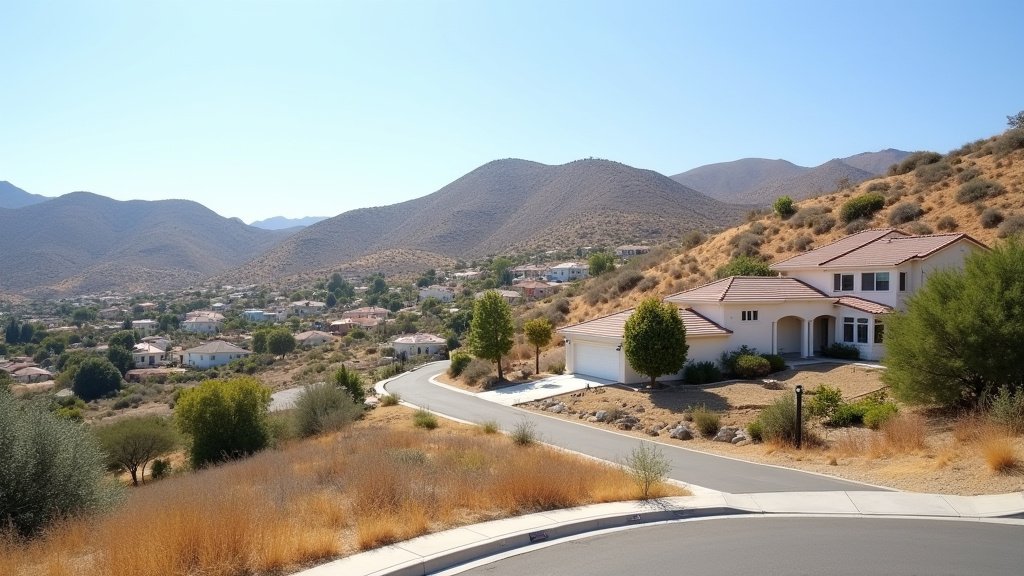
For years, California cities have wrestled with the tension between state-mandated housing production and local control. Senate Bill 9 was introduced to help alleviate the state’s chronic housing shortage by allowing homeowners to subdivide their lots and build multi-unit dwellings. However, many jurisdictions, including Malibu and Pasadena, attempted to leverage the bill’s ‘public health and safety’ exemptions to block new construction in high-fire-severity zones.
Legal analysts and housing advocates long argued that these exemptions were being applied as a blanket policy rather than a case-by-case assessment, essentially rendering the state law toothless in large swaths of Southern California. The settlement with YIMBY Law forces a reversal of this strategy. By agreeing to permit development that adheres to state standards, these cities have acknowledged that general fire risk cannot be used as a catch-all justification to ignore the California Legislature’s intent to increase housing density.
Implications for State-Local Relations
The dispute underscores a recurring friction point in California governance: the struggle between NIMBY (Not In My Backyard) sentiment and the YIMBY (Yes In My Backyard) movement’s push for increased supply. By failing to uphold the spirit of SB 9, municipalities were inviting litigation that cost taxpayer dollars and delayed construction projects.
This settlement serves as a warning shot to other California cities that have similarly attempted to shield themselves from SB 9 via executive action. It reinforces the authority of state-level planning mandates over municipal obstructionism. For housing developers and property owners, the removal of these local hurdles creates a more predictable regulatory environment, though the physical constraints of building in wildfire-prone areas—such as stringent building codes, evacuation infrastructure requirements, and insurance difficulties—remain significant barriers to entry.
Future of Zoning in High-Risk Zones
While the legal victory is clear, the practical application of SB 9 in wildfire zones remains complex. The settlement does not eliminate fire safety concerns; instead, it forces cities to integrate those safety concerns into a framework that still allows for the state-mandated growth. Moving forward, cities like Malibu and Pasadena must navigate the fine line between adhering to state housing law and maintaining necessary fire suppression standards.
Critics of the settlement argue that adding density to fire-prone hillsides introduces evacuation and public safety complications. Proponents, however, contend that the housing shortage itself is a public health crisis and that modern building codes, when applied to new multiplexes, are often more resilient than the aging housing stock they would supplement or replace. The outcome of this lawsuit suggests that the legal strategy of using fire safety as a blanket ‘no’ to development has reached its limit in the courts.
FAQ: People Also Ask
What is Senate Bill 9 (SB 9)?
SB 9 is a California state law, effective January 1, 2022, which allows property owners in single-family residential zones to subdivide their lots and build up to two units per lot (or four units total if the lot is split), bypassing typical local discretionary review processes.
Why were Malibu and Pasadena sued?
Both cities implemented policies—Malibu via executive order and Pasadena through local ordinance—that attempted to categorically exempt vast areas of their territory from SB 9 compliance, citing wildfire risks. YIMBY Law argued these blanket exemptions were illegal under the state law.
Does this settlement mean any house can be demolished for a multiplex?
No. The settlement requires the cities to comply with SB 9, but developers must still adhere to building codes, environmental impact regulations, and other specific criteria established by the state. The settlement primarily removes the ‘blanket exemption’ that prevented applicants from even proposing these projects.
What impact will this have on housing costs?
While immediate impacts on housing costs are difficult to quantify, the increase in potential density is aimed at long-term supply growth. By facilitating the development of middle-housing, the state aims to temper the extreme upward pressure on housing prices, though it is not a singular solution to the state’s housing crisis.