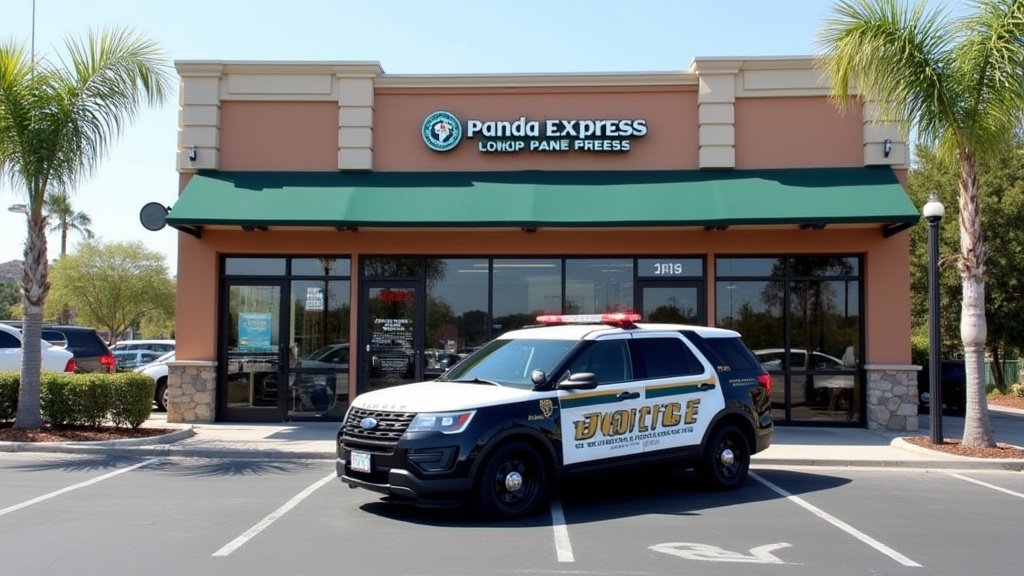
In a striking example of vigilant policing, Monrovia Police Department (MPD) officers successfully apprehended a wanted parolee while on a routine lunch break at a local Panda Express. The arrest, which brought an end to a series of high-speed attempts to elude law enforcement, highlights the critical role of situational awareness in daily patrol operations. The event was recorded in its entirety on department-issued body-worn cameras, providing a clear account of how a casual break turned into a successful tactical operation.
Key Highlights
- Serendipitous Arrest: Officers identified and apprehended a wanted parolee while on a routine lunch break.
- History of Evasion: The suspect had previously escaped from Monrovia police twice, both incidents involving high-stakes flight onto the freeway.
- Body Camera Evidence: The entire arrest procedure was documented via body-worn cameras, ensuring transparency and accountability.
- Operational Vigilance: The incident serves as a reminder that patrol officers remain “on duty” regardless of their immediate surroundings.
The Intersection of Routine and Enforcement
The nature of law enforcement work is notoriously unpredictable, often blurring the lines between personal time and active duty. For the officers from the Monrovia Police Department, a routine stop for lunch at a local Panda Express quickly shifted from a mid-shift break into a tactical engagement. This occurrence serves as a case study in the importance of constant situational awareness—a trait often emphasized in rigorous police training programs across the United States. While the public often views law enforcement activity as pre-planned raids or high-speed pursuits, a significant portion of effective community policing relies on officers who maintain a high degree of alertness even when off-radio or during rest periods.
The Fugitive’s Track Record
The suspect in question was not an unknown entity to local law enforcement. According to official reports, the individual was a wanted parolee who had managed to evade Monrovia officers twice in previous encounters. In both prior instances, the suspect employed the dangerous tactic of fleeing onto the local freeway system, creating significant public safety risks for commuters and other motorists. The ability of the officers to recognize the suspect while off-guard in a fast-casual dining setting is a testament to the institutional memory of the department. When officers are deeply familiar with their jurisdiction and the individuals who frequently pose risks to community safety, they are better equipped to intercept fugitives before they can initiate another dangerous flight response.
Transparency Through Technology
This arrest is particularly noteworthy due to the documentation provided by the officers’ body-worn cameras. In an era where police transparency is paramount, the utilization of body-worn camera technology during an unexpected, off-beat incident is crucial. The footage not only provides the necessary evidence for the legal prosecution of the suspect but also protects the officers involved by providing an unfiltered record of the interaction. The clarity of the video allows the public to understand how the situation escalated from a simple recognition to a safe, controlled arrest. It demonstrates that modern policing standards—which mandate the recording of all interactions—are being adhered to, even when officers are not in a formal “patrol” scenario.
Impact on Community Safety
The arrest of a recidivist parolee significantly contributes to the broader safety of the Monrovia community. Recidivism, or the tendency of a convicted criminal to reoffend, remains a significant challenge for local law enforcement agencies. By successfully taking this individual off the streets, the Monrovia Police Department has effectively disrupted a pattern of behavior that was actively endangering public safety through high-speed flight incidents. The removal of such individuals from the population is a vital component of local law enforcement’s strategy to maintain a secure environment for residents and business owners alike. It provides a measure of relief to the community, knowing that a suspect with a history of dangerous evasion is now in custody.
The Psychology of Fugitive Evasion
From a sociological perspective, the suspect’s previous choice to flee onto the freeway twice indicates a high level of risk tolerance, or perhaps a lack of consideration for the lives of others. When fugitives choose to engage in high-speed pursuits, they prioritize their own freedom over the safety of the public. The success of the Monrovia officers in this instance effectively neutralized this risk without the need for a third high-speed chase, which could have ended in a vehicular accident or worse. This highlights the value of “static” arrests—those made when the suspect is unaware, caught off guard, or in a stationary position—which are far safer for both the police and the public compared to dynamic, mobile pursuits.
FAQ: People Also Ask
1. How did the officers recognize the suspect?
While the specific details of the recognition remain internal, it is standard for patrol officers to be briefed on wanted individuals within their jurisdiction. Their familiarity with the suspect, likely garnered from the two previous high-speed freeway encounters, allowed for immediate identification.
2. Was anyone injured during the arrest at the Panda Express?
No injuries were reported during the incident. The arrest was executed efficiently and safely, minimizing disruption to the restaurant’s operations and ensuring the safety of patrons present during the time of the arrest.
3. What happens to the body camera footage now?
The body-worn camera footage is being processed as official evidence to support the charges against the suspect. It serves as a vital component of the prosecution’s case, documenting the suspect’s identity and the lawful conduct of the officers during the apprehension.
4. Does this incident change how Monrovia Police conduct their lunch breaks?
Standard operational procedures for law enforcement typically allow for lunch breaks, but officers are always considered “on duty” in terms of their responsibility to respond to crimes. This incident reinforces the culture of vigilance that defines professional police work, rather than necessitating a change in policy.