
Los Angeles is experiencing an unprecedented heatwave this March, with temperatures shattering records across Southern California and significantly exceeding seasonal averages. The unseasonably warm weather has prompted health advisements and disrupted daily life as residents grapple with the intense heat.
Key Highlights:
- Temperatures have soared to levels rarely seen in March, breaking historical records.
- The heatwave is impacting a wide region across Southern California.
- Health officials are issuing warnings due to the extreme and prolonged heat.
- This event raises concerns about early onset of summer conditions and climate change.
Unprecedented March Heat Grip Tightens on Los Angeles
The mercury has been relentless in Los Angeles and surrounding areas, with thermometers climbing to astonishing heights that redefine March’s typical climate. Cities across Southern California are reporting temperatures that are not just a few degrees above normal, but are shattering decades-old records. This extreme heat event has caught many off guard, as March is traditionally a period of mild, often rainy, spring weather. Instead, residents are facing conditions more akin to the peak of summer, prompting widespread concern among meteorologists and the public alike.
Record-Breaking Temperatures Across the Southland
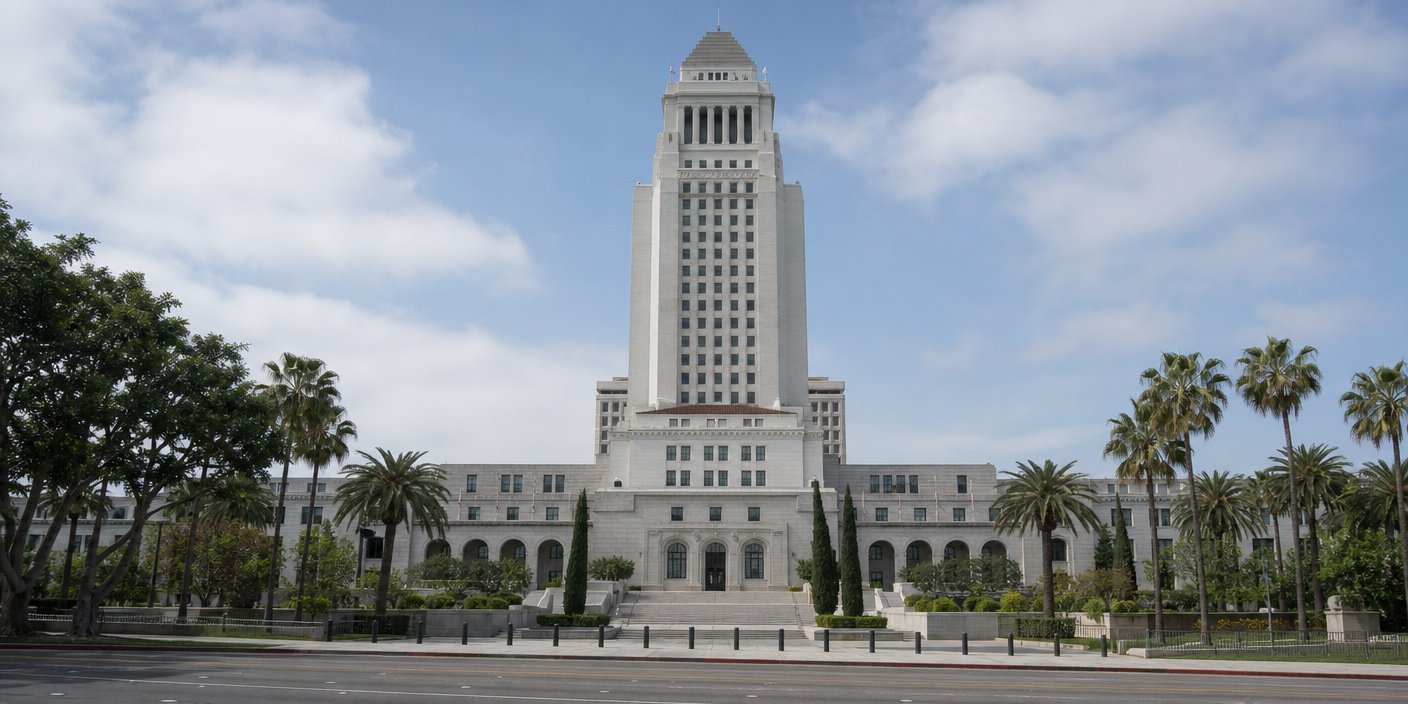
Specific locations have seen temperatures surge into the high 80s and even low 90s Fahrenheit. For instance, Downtown Los Angeles, a region historically known for its moderate March temperatures, has recorded highs that have surpassed previous all-time records for the month. The National Weather Service has issued excessive heat warnings for multiple counties, urging residents to take precautions, stay hydrated, and limit outdoor activities during the hottest parts of the day. This prolonged period of intense heat is placing a significant strain on the region’s infrastructure, particularly its power grid, as demand for air conditioning spikes dramatically.
Health Implications and Vulnerable Populations
Public health officials are emphasizing the dangers associated with this unseasonable heat. Vulnerable populations, including the elderly, young children, and individuals with pre-existing health conditions, are at a heightened risk of heat-related illnesses such as heat exhaustion and heatstroke. Cooling centers have been opened in various communities to provide relief for those without adequate access to air conditioning. The extended duration of the heatwave exacerbates these risks, as the body has less time to acclimatize to the extreme conditions.
Broader Climate Context and Future Concerns
Meteorologists and climate scientists are closely examining this event, considering its potential links to broader climate change trends. While individual weather events cannot be solely attributed to climate change, the increasing frequency and intensity of heatwaves globally suggest a changing climate pattern. This March heatwave in Los Angeles serves as a stark reminder of the potential for extreme weather to occur earlier in the year and with greater severity, prompting discussions about adaptation strategies and the need for continued efforts to mitigate greenhouse gas emissions. The early arrival of such intense heat also raises questions about the water supply for the upcoming dry season and the potential for increased wildfire risk.
FAQ: People Also Ask
What are the current temperature records for March in Los Angeles?
Temperatures in Los Angeles have recently reached into the high 80s and low 90s Fahrenheit, shattering previous March records in several areas. For instance, Downtown LA has seen temperatures exceed historical highs for the month.
How does this heatwave compare to typical March weather?
This heatwave is significantly hotter than average for March in Los Angeles. Typically, March sees milder temperatures, often with chances of rain, rather than sustained periods of extreme heat.
What are the health risks associated with this heatwave?
The primary health risks include heat exhaustion and heatstroke, particularly for vulnerable groups like the elderly, children, and those with chronic illnesses. Dehydration is also a major concern.
Are there any specific areas in Southern California most affected by the heat?
The heatwave is affecting a broad swath of Southern California, including Los Angeles County, Orange County, and the Inland Empire. Many cities within these regions are reporting record-breaking temperatures.
What can people do to stay safe during this heatwave?
It is recommended to stay hydrated by drinking plenty of water, avoid strenuous outdoor activities during peak heat hours, seek air-conditioned environments, and check on vulnerable neighbors and family members.