Los Angeles County is gearing up for a significant and potentially dangerous heatwave, with temperatures expected to soar into the triple digits across many inland areas and remain oppressively high near the coast. This extreme heat poses serious risks to public health, particularly for vulnerable populations, and strains the region’s infrastructure.
Key Highlights:
- Record-breaking temperatures are forecast for multiple inland valleys.
- Cooling centers will be opened across the county to provide relief.
- Public health officials are urging residents to take precautions against heat-related illnesses.
- Potential for increased power demand and strain on the electrical grid.
Heatwave Grips Southern California
Southern California is once again under the intense grip of a severe heatwave, a recurring phenomenon exacerbated by climate change. Forecasters are predicting a sharp rise in temperatures starting this weekend and persisting through next week, with the San Gabriel Valley, Antelope Valley, and San Bernardino County expected to bear the brunt of the extreme heat. Temperatures in these inland areas could reach well over 105°F (40.5°C), with overnight lows offering little respite, remaining in the high 80s or even low 90s in some locations. Coastal regions, while experiencing slightly moderated temperatures, will still see highs in the upper 80s and low 90s, accompanied by high humidity levels that can make the heat feel more oppressive.
Public Health Imperative
Public health officials are issuing urgent warnings about the dangers associated with prolonged exposure to extreme heat. Heatstroke, heat exhaustion, and heat cramps are serious concerns, especially for the elderly, young children, individuals with chronic health conditions, and those experiencing homelessness. The Los Angeles County Department of Public Health has declared a local health emergency and is coordinating with the Los Angeles County Office of Emergency Management to open cooling centers in various community facilities, including libraries and senior centers. Residents are strongly advised to stay hydrated, limit outdoor activities during peak heat hours (typically 10 AM to 6 PM), wear lightweight and light-colored clothing, and check on neighbors and relatives, particularly those who are more susceptible to heat-related illnesses. The county is also providing resources on recognizing the signs of heat-related distress and outlining steps for immediate action.
Infrastructure Strain and Wildfire Risk
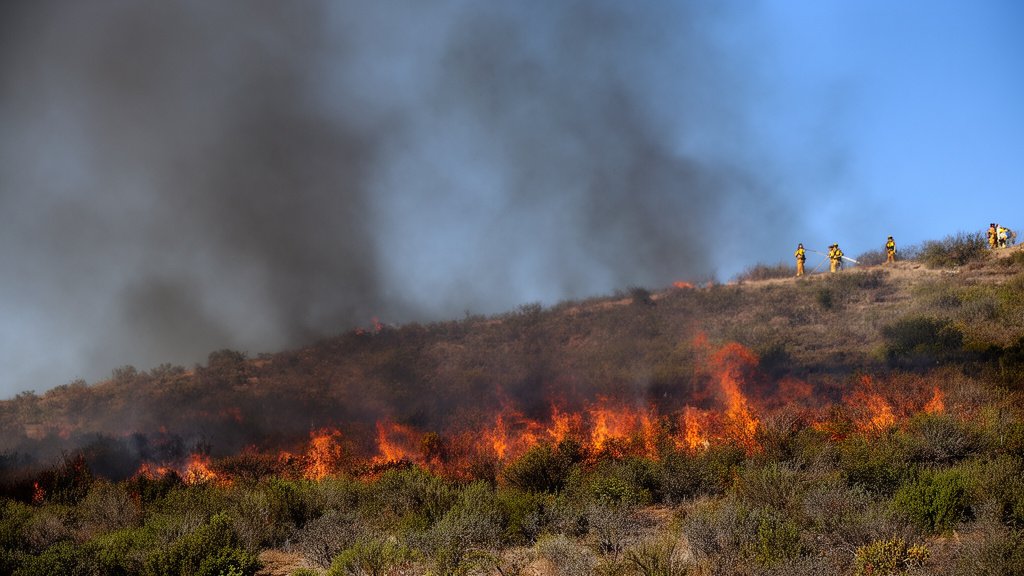
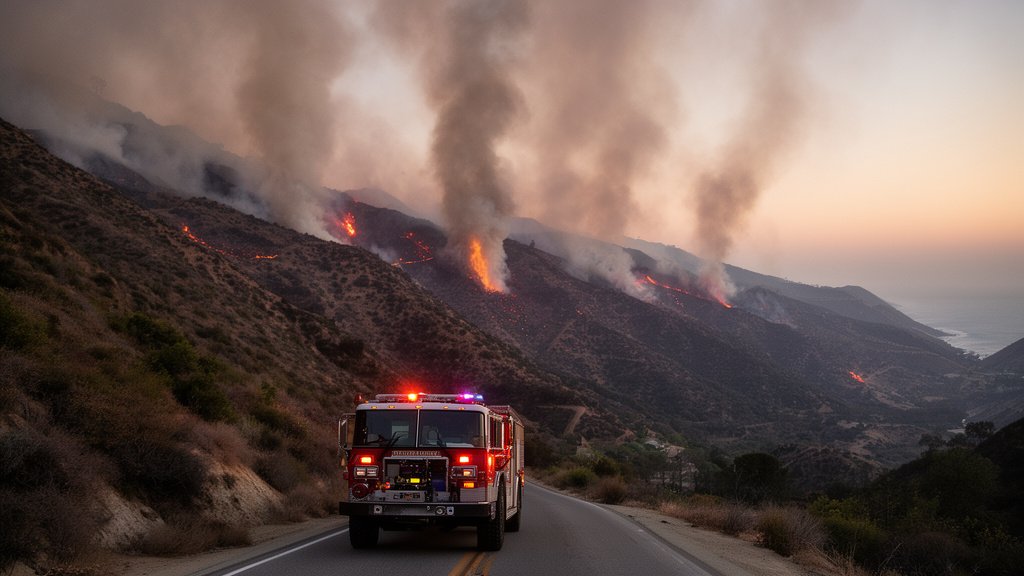
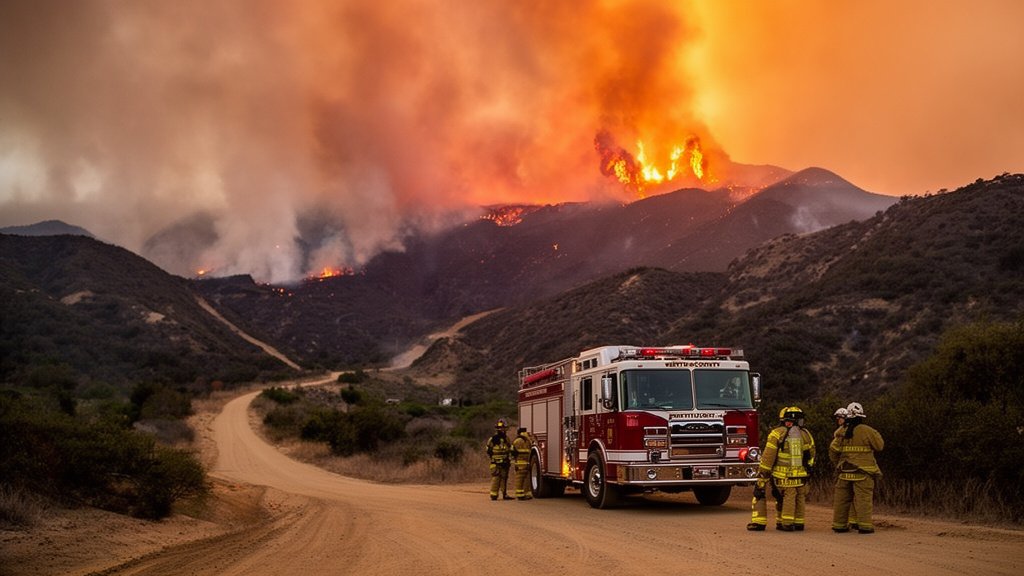
Beyond the direct health impacts, the intense heatwave places a significant strain on the region’s power grid. Increased demand for air conditioning can lead to power fluctuations and, in worst-case scenarios, rolling blackouts. Utility companies are monitoring the situation closely and advising customers to conserve energy where possible. Furthermore, the dry conditions and high temperatures significantly elevate the risk of wildfires. Fire departments are on high alert, increasing patrols and readiness for swift response to any ignitions. Residents are reminded to be extremely cautious with any potential ignition sources, such as barbecues, campfires, and vehicle exhaust systems in dry, grassy areas.
Climate Change Context
This heatwave is emblematic of a broader trend of rising global temperatures and more frequent, intense extreme weather events, a direct consequence of human-induced climate change. Scientists have repeatedly warned that without substantial reductions in greenhouse gas emissions, heatwaves like the one anticipated for Los Angeles will become more common and more severe. The region’s vulnerability is compounded by its urban heat island effect, where paved surfaces and buildings absorb and retain heat, further exacerbating high temperatures, especially in densely populated areas. This underscores the urgent need for both adaptation strategies to cope with current climate impacts and mitigation efforts to prevent future warming.
FAQ: People Also Ask
What are the primary risks of extreme heat in Los Angeles County?
The primary risks include heatstroke, heat exhaustion, dehydration, and exacerbation of pre-existing health conditions like cardiovascular and respiratory diseases. Vulnerable populations, including the elderly, infants, and those with chronic illnesses, are at the highest risk.
Where can residents find relief from the heat in Los Angeles County?
Los Angeles County opens designated cooling centers in public facilities like libraries and community centers during heat advisories. Residents can find locations and hours of operation on the county’s official website or by calling 211.
How does urban heat island effect impact the heatwave?
The urban heat island effect, caused by buildings and pavement absorbing and re-radiating heat, makes urban areas significantly hotter than surrounding rural areas. This intensifies the impact of heatwaves in cities like Los Angeles.
What precautions should be taken to prevent heat-related illnesses?
Key precautions include staying hydrated by drinking plenty of water, avoiding strenuous outdoor activities during the hottest parts of the day, wearing lightweight and loose-fitting clothing, using sunscreen, and seeking air-conditioned environments whenever possible. Never leave children or pets unattended in vehicles.
How does climate change contribute to these heatwaves?
Climate change, driven by greenhouse gas emissions, is increasing the frequency, intensity, and duration of heatwaves globally. Los Angeles, like many regions, is experiencing the effects of a warming planet through more extreme weather patterns.