
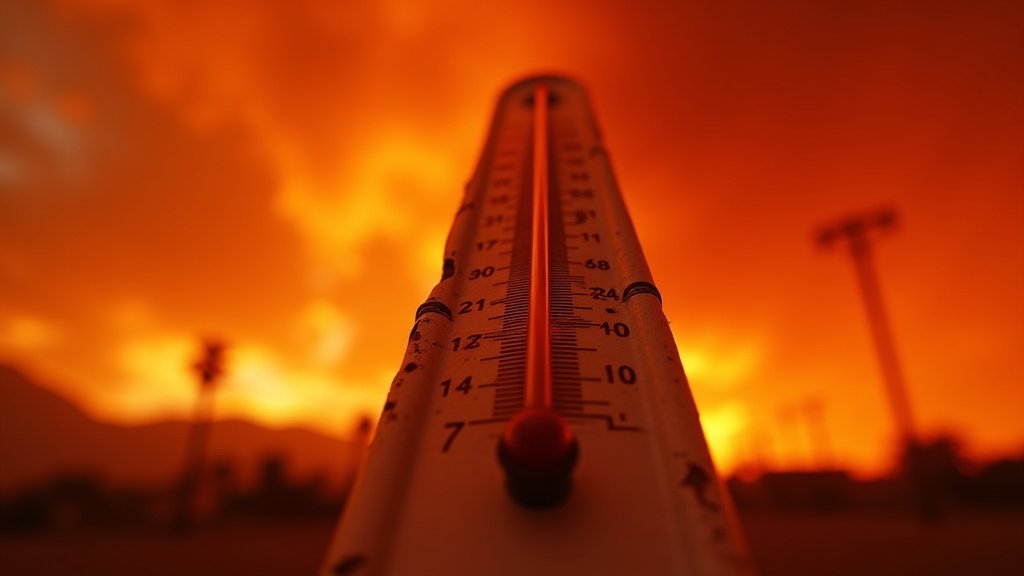
Southern California is experiencing an unprecedented heat wave this March, shattering daily temperature records and prompting public health warnings. Los Angeles, in particular, is under siege from unseasonably high temperatures, with forecasters predicting the extreme heat to persist through the week. Residents are urged to take precautions against heat-related illnesses as the region grapples with this historic early-season scorcher.
Key Highlights:
- Record-breaking March temperatures are affecting Southern California.
- Los Angeles is a focal point of the intense heat wave.
- Public health officials have issued warnings and advisories.
- The heat wave is expected to continue for several more days.
- Experts are investigating the potential causes and long-term implications.
Unprecedented March Heat Wave Blankets Los Angeles
The normally temperate climate of Southern California has been dramatically disrupted as a severe heat wave descends upon the region, setting new temperature benchmarks for the month of March. Los Angeles has been particularly hard-hit, with thermometers soaring to levels rarely seen this early in the year. The National Weather Service has confirmed multiple daily record highs have been broken across the greater Los Angeles area, signaling a significant deviation from historical climate patterns. This early-season heat event is not only a statistical anomaly but also a pressing concern for public health and local infrastructure.
Assessing the Temperature Anomalies
Cities across Los Angeles County have reported temperatures well into the 90s Fahrenheit, with some inland valleys experiencing triple-digit heat. For instance, downtown Los Angeles reached 91°F on Tuesday, breaking the previous March record of 87°F set in 1904. Similarly, areas like Pasadena and Long Beach saw their own March records fall. The sustained high temperatures, coupled with low humidity, have created a significant fire danger, prompting increased vigilance from the Los Angeles Fire Department and the California Department of Forestry and Fire Protection (CAL FIRE).
Public Health and Safety Measures
In response to the extreme heat, Los Angeles County Public Health has issued an excessive heat warning, urging residents to take precautions. This includes staying hydrated, avoiding strenuous outdoor activities during peak heat hours (typically 10 a.m. to 6 p.m.), and checking on vulnerable populations such as the elderly, young children, and those with chronic health conditions. Cooling centers have been opened across the county to provide a respite for those without adequate air conditioning. Heat stroke and heat exhaustion are serious risks, and officials emphasize the importance of recognizing symptoms and seeking immediate medical attention if necessary.
Potential Causes and Climate Context
While individual weather events are complex, meteorologists and climate scientists are examining the atmospheric conditions contributing to this unusually strong and early heat wave. Preliminary analyses suggest a strong high-pressure ridge over the southwestern United States is a primary driver, trapping warm air and preventing cooler marine layers from reaching the coast. The long-term implications of such extreme events occurring earlier in the season are a growing concern in the context of climate change. Scientists from institutions like the Scripps Institution of Oceanography and the University of California, Los Angeles (UCLA) are contributing to the research on the link between such events and broader climatic shifts.
Looking Ahead: Forecast and Preparedness
The National Weather Service forecasts indicate that these above-average temperatures are likely to persist for at least the next five to seven days, with only slight moderation expected towards the end of the week. The sustained nature of this heat wave underscores the need for preparedness. City officials are reminding residents about the importance of conserving energy, as demand on the power grid often increases during heat waves. Local water agencies are also monitoring reservoir levels and advising on water conservation measures, as high temperatures can increase water demand.
FAQ: People Also Ask
What are the symptoms of heat exhaustion?
Symptoms of heat exhaustion include heavy sweating, cold, pale and clammy skin, a fast, weak pulse, nausea or vomiting, muscle cramps, tiredness or weakness, dizziness, and headache. If these symptoms occur, move to a cool place, loosen your clothing, and sip water.
How can I protect my pets during a heat wave?
Ensure your pets have access to plenty of fresh water and a shady place to rest. Avoid walking them on hot pavement, as it can burn their paws. Never leave pets in a parked car, as temperatures can rise to deadly levels in minutes.
Are heat waves becoming more common in March?
While specific March heat waves are rare, climate change projections suggest an increase in the frequency and intensity of extreme heat events throughout the year, including earlier-than-usual occurrences.
What should I do if my air conditioner is not working?
If your air conditioner is not working, seek cooler environments like public cooling centers, libraries, or shopping malls. Use fans to circulate air, take cool showers, and stay hydrated. Contact an HVAC professional as soon as possible.
How does a high-pressure ridge cause heat waves?
A high-pressure ridge is an area of high atmospheric pressure. It acts like a lid, trapping warm air beneath it and preventing cooler air masses from displacing it. This stagnant condition can lead to prolonged periods of unusually high temperatures.