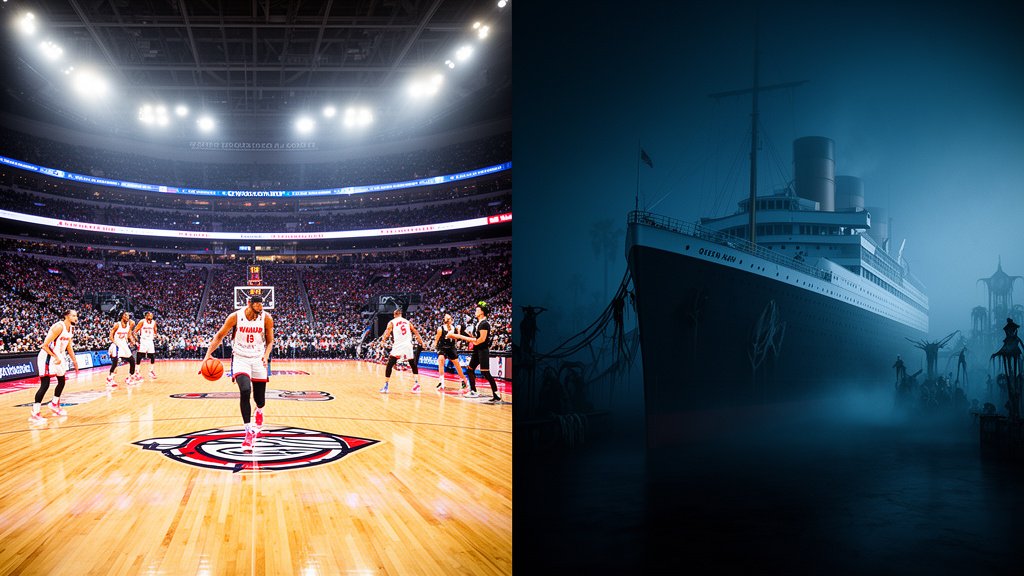
As October 2026 descends upon Southern California, Los Angeles is bracing for a unique convergence of high-performance athletics and immersive, historical terror. The city is currently playing host to two of the most anticipated annual narratives: the culmination of the WNBA season and the resurrection of the Queen Mary’s legendary ‘Dark Harbor’ Halloween attraction. This intersection of elite sports and atmospheric fright creates a distinct cultural rhythm in the city, driving tourism and local engagement to seasonal peaks.
Key Highlights
- The WNBA Finals: High-stakes basketball returns to Los Angeles, with potential championship implications drawing international media attention to the Crypto.com Arena corridor.
- Dark Harbor Returns: The Queen Mary in Long Beach reopens its massive, immersive horror experience, featuring expanded ‘spookeasy’ bars and multi-level haunted mazes.
- Oktoberfest Expansion: A surge in local craft-brewery-led Oktoberfest celebrations is shifting the traditional festival experience toward a more boutique, neighborhood-centric model.
- Economic Impact: The overlapping demand for sports hospitality and Halloween tourism is projected to create a sustained surge in downtown and coastal hotel occupancy rates through the end of the month.
The October Dichotomy: Where Sports Intensity Meets Immersive Horror
October in Los Angeles has always been a month of transition, but in 2026, the calendar is particularly packed. The city is navigating a logistical and cultural dual-track: the rigid, competitive precision of the WNBA Finals and the chaotic, theatrical, and often terrifying landscape of seasonal horror attractions. This duality defines the LA experience this month, offering residents and visitors a jarring but thrilling contrast between the gleaming, high-definition polish of professional athletics and the gritty, atmospheric history of the Long Beach waterfront.
The Championship Chase: WNBA Finals in the City of Angels
The WNBA has seen unprecedented growth over the last two years, and the 2026 Finals are poised to be the league’s most viewed events in history. With the postseason schedule fully locked into the October calendar, the eyes of the basketball world are firmly fixed on the Crypto.com Arena. The Finals represent more than just a trophy; they act as a catalyst for urban revitalization in the downtown core.
From a logistical standpoint, the presence of the WNBA Finals shifts the flow of the city. Traffic patterns near the arena are strictly regulated, and hospitality venues are fully booked. The financial impact is significant, with luxury dining and boutique hotels reporting full occupancy during home-game stretches. For fans, the experience is not just about the game—it is about the ‘event’ status of the matches, which have become major social touchpoints in the LA cultural calendar. The intensity of the competition, combined with the city’s celebrity-saturated courtside culture, ensures that the WNBA Finals remain the primary gravitational force in LA’s October narrative.
Dark Harbor Returns: A Maritime Horror Spectacle
While the downtown core is focused on the court, the Long Beach waterfront is looking to the past—and the afterlife. The Queen Mary’s ‘Dark Harbor’ event is arguably the most famous Halloween attraction in the region, largely due to the inherent ‘spookiness’ of the permanently docked ship itself. In 2026, the organizers have leaned heavily into the ‘spookeasy’ concept.
These themed, clandestine-style bars are integrated directly into the haunted house mazes, allowing patrons to engage with a level of immersive storytelling that is rarely matched in the theme park industry. The attraction utilizes the history of the Queen Mary—a ship with 90 years of documented, albeit debated, supernatural history—to ground its scare tactics. The ‘spookeasy’ bars, serving craft cocktails amidst the low-light, fog-filled corridors of the ship, have become the event’s most popular feature. They offer a refined, adult-centric horror experience that separates Dark Harbor from more conventional, family-oriented Halloween events. The integration of high-end mixology with immersive theater represents a pivot in the entertainment industry, where the lines between hospitality and spectacle are increasingly blurred.
Oktoberfest: Traditional Celebrations in a Modern Metropolis
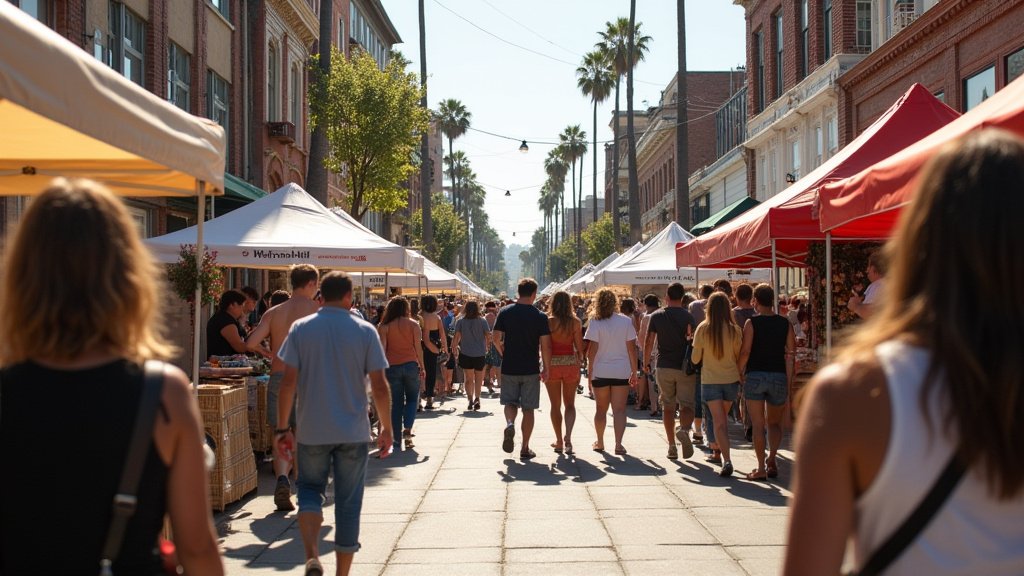
Complementing the high-intensity energy of the sports and horror sectors is the softer, more social atmosphere of Oktoberfest. Unlike the sprawling, ticketed festivals of the past, 2026 has seen a distinct shift toward hyper-local celebrations. Los Angeles’ vibrant craft beer scene has adopted the tradition, with breweries in neighborhoods like Arts District, Silver Lake, and Torrance hosting their own smaller-scale festivals.
This movement mirrors a broader trend in LA: the move away from centralized, ‘corporate’ festival experiences toward artisanal, community-focused ones. These Oktoberfests are less about massive beer tents and more about seasonal pairings, local food trucks, and intimate community gathering. It creates a necessary release valve for the city’s population, providing a more relaxed, communal space to unwind in between the stress of championship games and the adrenaline of horror mazes.
The Economic and Cultural Ripples of Peak Season
When these events overlap, the strain on the city’s infrastructure is palpable. However, the economic benefits are undeniable. The combination of WNBA-related tourism and Halloween event-seekers creates a uniquely lucrative ecosystem for LA’s service industry. Restaurants, rideshare services, and short-term rental markets all see significant spikes in usage.
From a sociological perspective, the collision of these events highlights the changing nature of the ‘October’ season in LA. It is no longer just about the weather cooling down or the end of the summer; it has become a peak period for ‘event-based’ travel. People are not just coming to LA for the sun; they are coming for the specific, curated experiences that the city is increasingly good at packaging. The success of Dark Harbor and the continued growth of the WNBA Finals suggests that the city’s future lies in this type of high-production, high-engagement event infrastructure.
FAQ: People Also Ask
Q: Are the WNBA Finals held at the same venue every year?
A: While the WNBA Finals are held at the home arena of the teams participating, in Los Angeles, games are predominantly played at the Crypto.com Arena. Tickets are highly sought after, and it is recommended to book through official league channels immediately upon the announcement of the schedule.
Q: Do I need reservations for the ‘spookeasy’ bars at Dark Harbor?
A: While the general Dark Harbor admission provides access to the grounds and mazes, the ‘spookeasy’ bars often operate on a first-come, first-served basis or require separate, premium tickets. Given the high demand in 2026, visitors are strongly encouraged to purchase VIP or ‘Fast Fright’ passes which may include priority access to these popular areas.
Q: How does the weather in October affect these events?
A: October in Los Angeles is typically mild, with evening temperatures dropping into the mid-60s°F (15-18°C). This is ideal for outdoor events like Oktoberfest and the outdoor-adjacent portions of Dark Harbor, but guests should always plan for light layers as the marine layer can cause dampness near the Long Beach harbor at night.
Q: Are these October events suitable for families?
A: The WNBA Finals are family-friendly. However, Dark Harbor is designed as an adult-oriented horror attraction and may be too intense for younger children. Prospective visitors are advised to check the official attraction age ratings before booking.