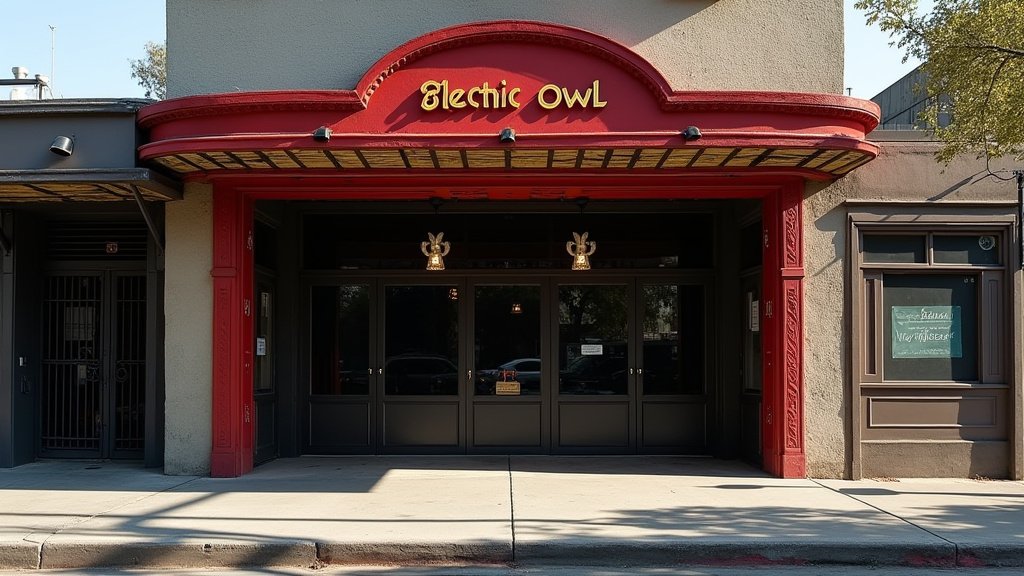
Electric Owl, the distinctive, railway-themed restaurant and cocktail bar that became a mainstay near West Hollywood, has officially shuttered its doors. The permanent closure, announced abruptly via the venue’s social media channels on September 1, 2026, marks the end of a nearly ten-year tenure in one of Los Angeles’ most competitive dining corridors. The establishment, which garnered a loyal following for its immersive interior design and curated spirits program, offered no specific reason for its cessation of operations, sparking widespread speculation among local patrons and industry insiders alike.
Key Highlights
- Permanent Closure: Electric Owl shut down on September 1, 2026, after serving the Los Angeles community for nearly a decade.
- Abrupt Announcement: The news was delivered via social media without an official reason, leaving the restaurant’s future and the cause of closure open to interpretation.
- Strategic Location: Situated near West Hollywood, the venue was a notable part of the local hospitality scene, known for its unique railway-themed aesthetic.
The End of an Era: Assessing the Electric Owl Legacy
The closure of Electric Owl is more than just the shuttering of a single venue; it represents a shifting tide in the Los Angeles hospitality sector. For nearly ten years, Electric Owl managed to carve out a niche in a city known for its fleeting culinary trends. By leaning heavily into its railway-themed concept—a stylistic choice that transported guests away from the sprawling urban grit of Los Angeles and into a nostalgic, transportive environment—it offered a distinct value proposition that set it apart from standard gastropubs.
The ‘Ten-Year Itch’ and Industry Economics
In the restaurant industry, the ten-year mark is often viewed as a critical juncture. For Electric Owl, reaching this milestone was a feat of endurance. However, the economic pressures facing Los Angeles restaurateurs in 2026 are profound. Rising commercial rents in the West Hollywood area, combined with fluctuating labor costs and the perennial challenge of maintaining a ‘themed’ venue that requires constant capital expenditure for upkeep, likely created a strained operating environment. While the owners have remained silent on the exact financial impetus, the closure mirrors a broader trend: established venues that survived the economic volatility of the early 2020s are now struggling to renew leases or justify the increasing overhead required to compete with newer, flashier dining concepts.
The Silence of the Digital Exit
Perhaps most notable about this closure is the manner in which it was conducted. In an age of radical transparency, the decision to close without a specific explanation via social media is a deliberate choice. Often, this silence suggests a private conclusion—a business decision reached between partners or investors rather than a public struggle with service or quality. By avoiding a ‘farewell’ tour or detailed press release, the management has effectively closed the book on a brand that defined itself by its mystery and atmosphere, allowing the reputation of Electric Owl to remain frozen in its peak years rather than fading through a long, publicized liquidation.
The Real Estate Implications
For the West Hollywood real estate market, the departure of a tenant like Electric Owl leaves a significant footprint. The space, designed with custom railway motifs and bar infrastructure, is not easily convertible. Prospective operators inheriting the site will face significant ‘demolition and renovation’ costs to strip the existing aesthetic. This often leads to a transitional vacancy period, a scenario becoming increasingly common in the area as long-term leases expire and landlords seek to redevelop these prime parcels for a new generation of culinary concepts. The site’s history as a nightlife destination makes it a prime target for high-end redevelopment, though the lack of a ‘for sale’ or ‘for lease’ sign immediately following the closure suggests the asset is still undergoing internal transition.
FAQ: People Also Ask
Q: Why did Electric Owl close?
A: The owners have not provided an official reason. The closure was announced on September 1, 2026, via social media, citing the end of operations without further context.
Q: Was Electric Owl a famous landmark?
A: While not a historic landmark, it was a well-known local fixture near West Hollywood, particularly recognized for its specific railway-themed design and cocktail program.
Q: Is there any hope for a reopening?
A: As of now, the closure is confirmed as permanent. There has been no announcement regarding a rebranding or relocation.
Q: How does this impact the local dining scene?
A: The loss of a ten-year veteran venue indicates the ongoing economic pressures facing independent bars and restaurants in Los Angeles, potentially paving the way for newer, different types of establishments to take over the real estate.