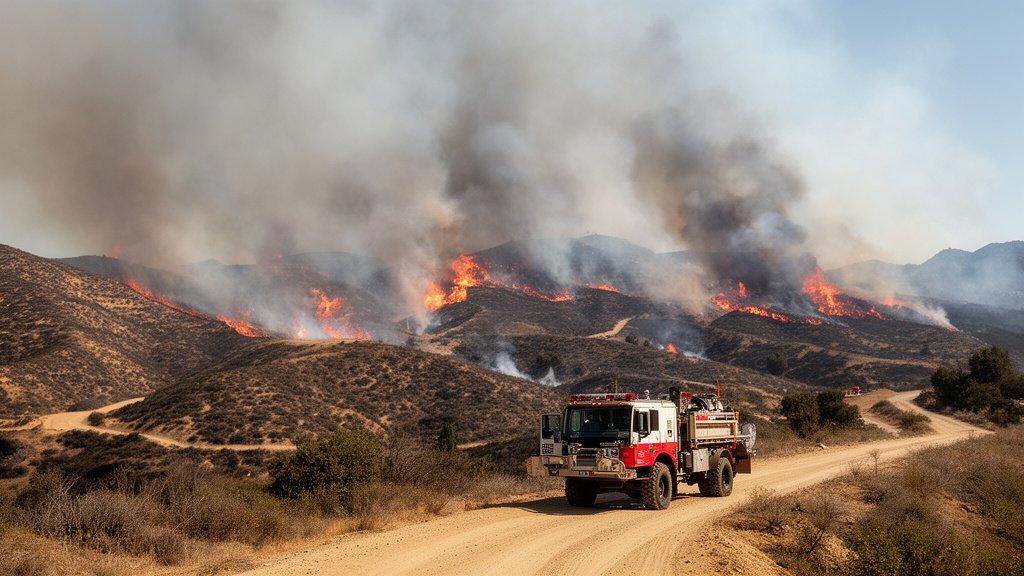
Los Angeles County officials have issued a decisive call for residents to prioritize emergency preparedness as the region braces for a potentially volatile storm season driven by El Niño conditions. With climate experts pointing to shifts in Pacific sea surface temperatures, local agencies—most notably the Department of Public Works (DPW) and the Office of Emergency Management (OEM)—have mobilized a massive, proactive effort to secure the region’s vast, complex flood-control network. This preparation phase is not merely procedural; it is a critical intervention designed to protect lives and property from the dual threats of urban flooding and debris flows that often characterize California’s intense, albeit infrequent, heavy rain events.
Fortifying the Infrastructure: The Engineering Frontline
At the heart of Los Angeles County’s defense is an invisible but vital network of infrastructure designed to manage millions of gallons of water during peak storms. The LA County DPW is currently conducting a relentless maintenance schedule across its 480 miles of open channels and 3,300 miles of underground storm drains. These systems are the primary defense against the deluge that an El Niño year can bring. Crews are systematically clearing sediment, vegetation, and trash—debris that, if left unattended, acts as a bottleneck, forcing water onto streets and into residential basements.
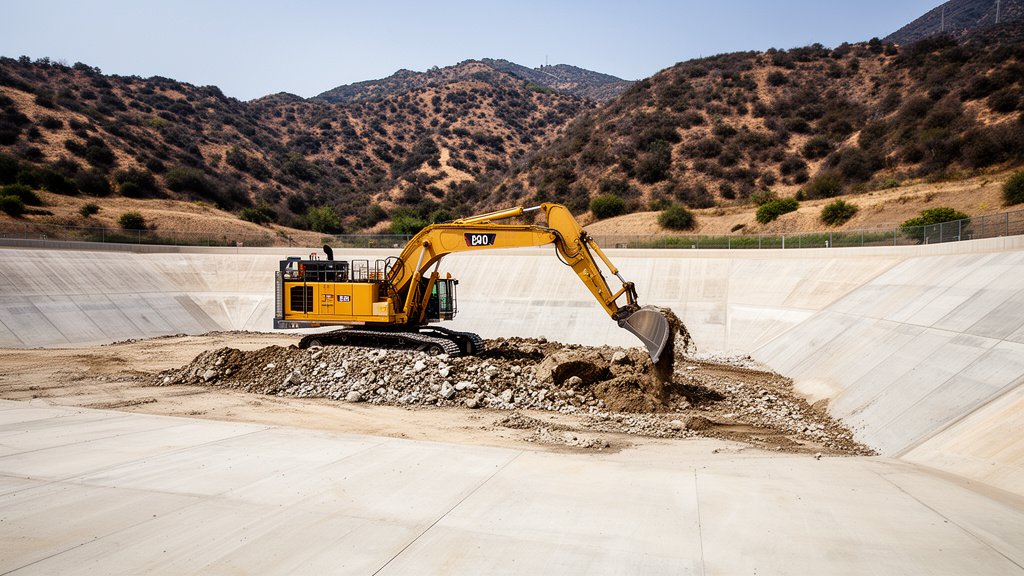
Furthermore, the county’s 14 major dams and 162 debris basins are undergoing rigorous pre-season inspections. Debris basins are arguably the most critical component in the post-fire landscape. In areas scarred by recent wildfires, the soil becomes hydrophobic—incapable of absorbing water. This creates an immediate risk of landslides. The debris basins act as safety nets, capturing rocks, mud, and vegetation before they reach residential neighborhoods. Engineers are currently dredging these basins to ensure they have the maximum possible capacity to manage the runoff from potential atmospheric river events.
The ‘Ready LA County’ Mandate: Resident Responsibility
While the government handles the macro-level defense, the ‘Ready LA County’ initiative emphasizes that individual preparedness is the final, essential layer of protection. Officials are urging residents in flood-prone areas—particularly those living near burn scars or in low-lying coastal basins—to begin securing resources now. This includes identifying local sandbag distribution centers, which are typically managed by local fire stations and DPW maintenance yards.
Emergency management experts stress that a ‘Ready’ kit is no longer optional in Southern California. A standard kit must now account for at least 72 hours of self-sufficiency. This includes not just water and non-perishable food, but also battery-powered weather radios, waterproof documents, and essential medical supplies. Communication is another vital pillar; families are being instructed to establish a ‘go-bag’ system and a unified evacuation plan, knowing that during a flash flood, mobile networks may become intermittent or compromised.
Climate Dynamics: Understanding the El Niño Variable
To understand the urgency, one must look at the meteorology. El Niño is characterized by a warming of the central and eastern tropical Pacific Ocean, which disrupts global weather patterns. For Southern California, this often means a shift in the jet stream, guiding storm tracks further south than in typical years. When these storms align with moisture-rich atmospheric rivers, the result can be rainfall totals that overwhelm existing systems in a matter of hours. The National Weather Service (NWS) monitors these sea surface temperatures with high precision, providing the county with the data needed to trigger alerts. This inter-agency cooperation—linking NOAA climate data with municipal infrastructure operation—is what allows LA County to pivot from routine maintenance to active emergency management as storm systems approach the coast.
Secondary Angles: Economic, Historical, and Future-Proofing
1. The Economic Calculus of Mitigation: Experts note that every dollar spent on proactive infrastructure maintenance, such as the current debris basin dredging, saves exponentially more in disaster relief and recovery costs. An El Niño season that brings heavy, sustained rainfall can cause hundreds of millions in damage to private property and public roads if drains fail.
2. The Burn Scar Vulnerability: The history of Southern California is punctuated by catastrophic debris flows, most notably following major wildfire seasons. The intersection of a wet El Niño year and a severe wildfire season is the region’s ‘worst-case scenario.’ The current preparation effort is specifically calibrated to address this vulnerability, ensuring that recent burn areas do not become conduits for mudslides.
3. Future-Proofing with Technology: LA County is increasingly integrating IoT (Internet of Things) sensors into its dam and basin network. These sensors provide real-time data on water levels and turbidity, allowing engineers to make data-driven decisions during a storm rather than relying solely on visual field reports. This digital upgrade is a cornerstone of the county’s modern adaptation to a changing climate.
FAQ: People Also Ask
Q: How do I locate the nearest sandbag distribution center in LA County?
A: Residents can visit the Los Angeles County Department of Public Works website and use the ‘Sandbag Program’ portal. Most locations are based at local fire stations or public works maintenance yards, but availability varies by district.
Q: What is the difference between an El Niño ‘Watch’ and a ‘Warning’?
A: A ‘Watch’ indicates that conditions are favorable for severe weather, requiring monitoring. A ‘Warning’ means a severe weather event is imminent or occurring, and immediate action—such as seeking higher ground or following evacuation orders—is necessary.
Q: What specifically should be in my emergency kit for a flood?
A: Beyond basic water and non-perishable food, your kit should include a battery-powered weather radio, essential medications, flashlights, a portable phone charger, physical maps of your area, and waterproof containers for important personal documents and insurance papers.