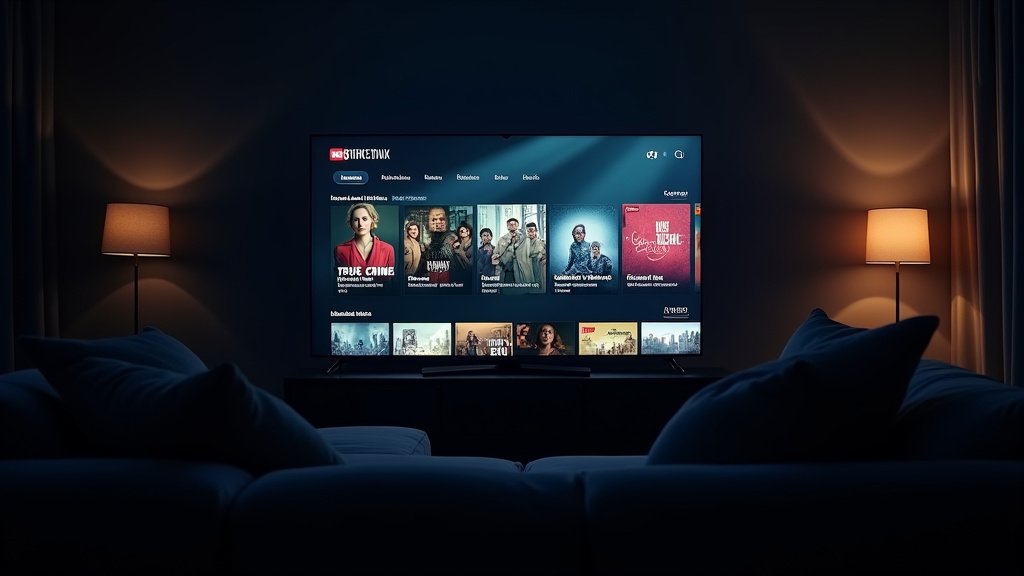
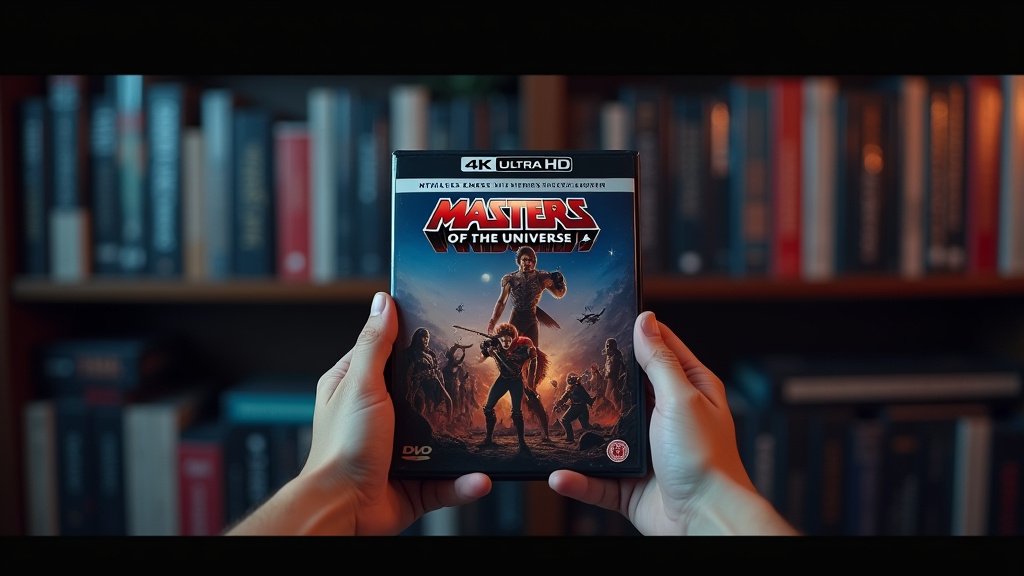
Today, October 20, marks a significant date for home media enthusiasts as Amazon MGM Studios rolls out the high-definition revival of the cult classic ‘Masters of the Universe.’ This release highlights a broader trend in the home entertainment industry: the bifurcation of distribution strategies, where physical media serves as a premium, collector-focused product, while digital platforms handle immediate, widespread access.
Key Highlights
- Masters of the Universe 4K Debut: The 1987 cult favorite arrives on DVD, Blu-ray, and 4K Ultra HD, offering fans a modernized viewing experience of the classic fantasy adventure.
- Physical Media Diversification: Universal Pictures continues to support the physical format with the release of ‘One Night Only’ on disc, targeting audiences who prioritize high-fidelity audio and video.
- The Digital Shift: ‘By Any Means’ lands on digital platforms today, illustrating the industry’s continued reliance on digital storefronts for rapid, accessible content distribution.
- The Collector’s Economy: The concurrent release of these titles reflects an industry-wide effort to capture both the nostalgia-driven physical market and the convenience-seeking digital consumer.
The Evolution of the Home Entertainment Market
The simultaneous arrival of ‘Masters of the Universe’ on premium physical formats and ‘By Any Means’ on digital platforms encapsulates the current dual-pathway strategy adopted by major studios like Amazon MGM Studios and Universal Pictures. While streaming dominates total viewing hours, the physical media market is undergoing a structural evolution, shifting away from mass-market utility toward a boutique, high-end collector model.
The ‘Masters of the Universe’ Nostalgia Factor
For fans of the 1980s, the release of ‘Masters of the Universe’ on 4K Ultra HD is not merely a product drop; it is an exercise in cultural preservation. Studios have realized that intellectual property from the 1980s possesses a unique longevity. By restoring these films for 4K—enhancing color grading, sharpness, and audio clarity—studios transform a nostalgic relic into a modern home theater centerpiece. This is the primary driver behind the continued profitability of physical discs. When consumers purchase a 4K copy of a film they grew up with, they are buying a permanent, tangible connection to that media, shielded from the licensing fluctuations and removals common in subscription-based streaming services.
Dissecting the Physical vs. Digital Divide
While ‘Masters of the Universe’ captures the high-end collector market, the release of ‘One Night Only’ on physical media suggests that certain genres—likely music-centric or performance-based content—still thrive on the physical format. The physical disc provides a fidelity that streaming compression often fails to match, particularly regarding surround sound mixing and bitrate stability. Conversely, ‘By Any Means’ arriving on digital platforms highlights the agility of digital storefronts. For titles that may not have the massive, built-in audience of a legacy IP like ‘Masters of the Universe,’ digital platforms offer a low-overhead route to global availability. This allows studios to recoup investments faster without the logistical complexities of disc manufacturing and retail distribution.
Secondary Angles: The Future of Media Ownership
The persistent demand for physical releases raises interesting questions about the long-term future of media ownership. As subscription fatigue sets in among consumers, many are returning to the ‘purchase’ model. The inclusion of ‘Masters of the Universe’ in today’s release schedule proves that legacy content is a hedge against the volatility of streaming. We are witnessing a bifurcation: Digital is for the ‘now’ (convenience, speed), while Physical is for the ‘forever’ (ownership, quality, collection).
Furthermore, the economic impact of these releases cannot be understated. The production of premium, steelbook-style, or restored physical media commands a significantly higher price point than a standard digital rental. This ‘premiumization’ of physical goods ensures that even if total unit sales are lower than the digital-first era, the revenue per unit remains high, justifying the continued production of high-quality disc releases for studios like Amazon MGM and Universal Pictures.
Finally, the technical restoration of older properties like ‘Masters of the Universe’ creates a ripple effect in technology adoption. To watch a 4K remaster, consumers often upgrade their home theater hardware—4K Blu-ray players, OLED televisions, and Atmos sound systems. This hardware ecosystem growth is a silent partner to the physical media market, ensuring that even as streaming grows, the appetite for ‘best-in-class’ hardware remains unquenched.
FAQ: People Also Ask
Why is physical media still relevant in 2024?
Physical media remains relevant because of media ownership rights and higher fidelity. Streaming services can remove content at any time; a disc is yours to keep. Additionally, physical discs (especially 4K UHD) offer higher bitrates for audio and video, resulting in superior quality compared to compressed streaming streams.
What makes a 4K Ultra HD release different from a standard Blu-ray?
4K Ultra HD discs offer four times the resolution of standard HD, High Dynamic Range (HDR) for deeper colors and brighter highlights, and improved frame rates. For older films, the 4K transfer process often involves scanning the original film negative to extract significantly more detail than previous transfers.
Is ‘By Any Means’ likely to get a physical release later?
While not confirmed, many digital-first releases eventually see physical distribution if the title gains a cult following or if the studio identifies a niche market for the physical product. Currently, the release is exclusive to digital platforms.
Who are the primary stakeholders in these releases?
Amazon MGM Studios is behind the ‘Masters of the Universe’ release, while Universal Pictures is distributing ‘One Night Only.’ These companies are major players in the home entertainment landscape, leveraging their vast film catalogs to maintain market relevance.