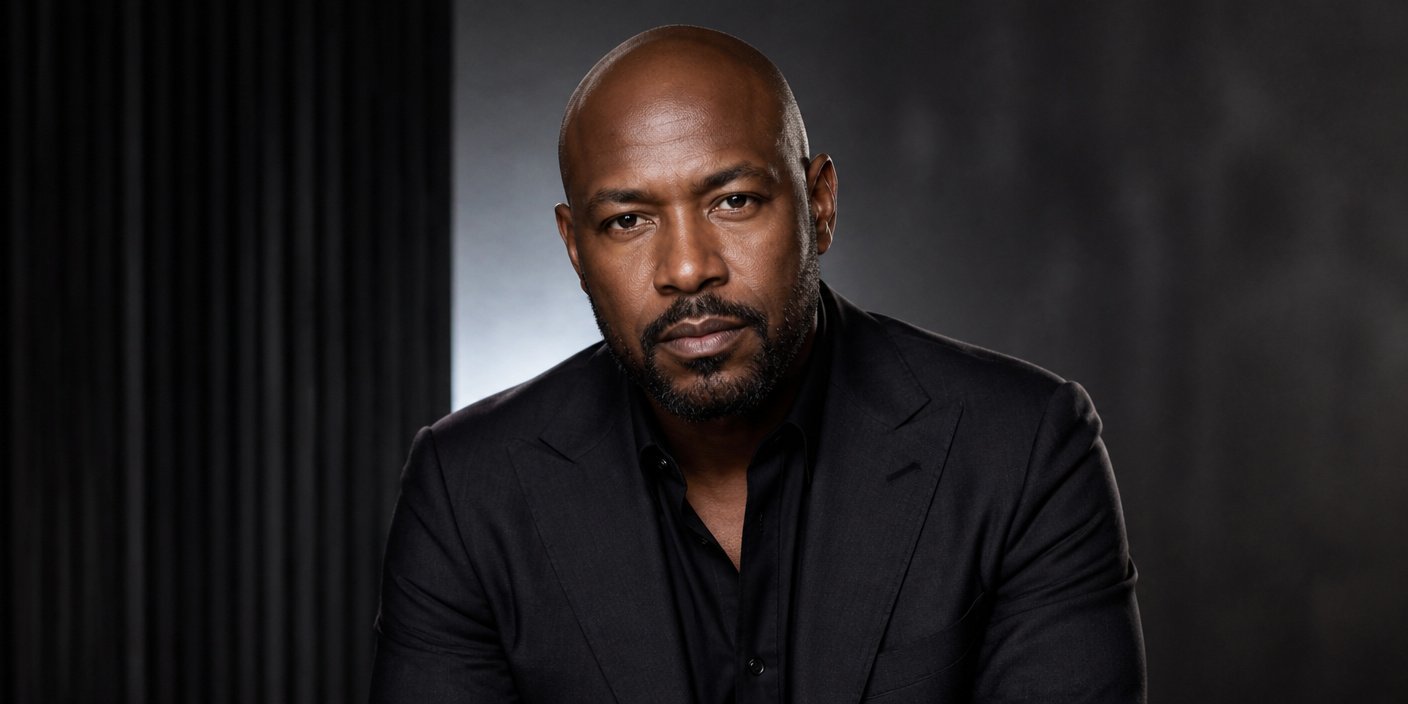
Director Antoine Fuqua and his son, Brando Fuqua, are facing a significant civil lawsuit initiated by a manager at the popular Hollywood nightlife venue, Good Times at Davey Wayne’s. The complaint, filed in the Los Angeles Superior Court, alleges a violent confrontation involving claims of physical assault, battery, and the use of racial slurs. As the director of the highly anticipated Michael Jackson biopic, ‘Michael,’ currently works through the final stages of his latest project, this legal challenge introduces a complex and disruptive variable into his professional narrative.
The Incident at Good Times at Davey Wayne’s
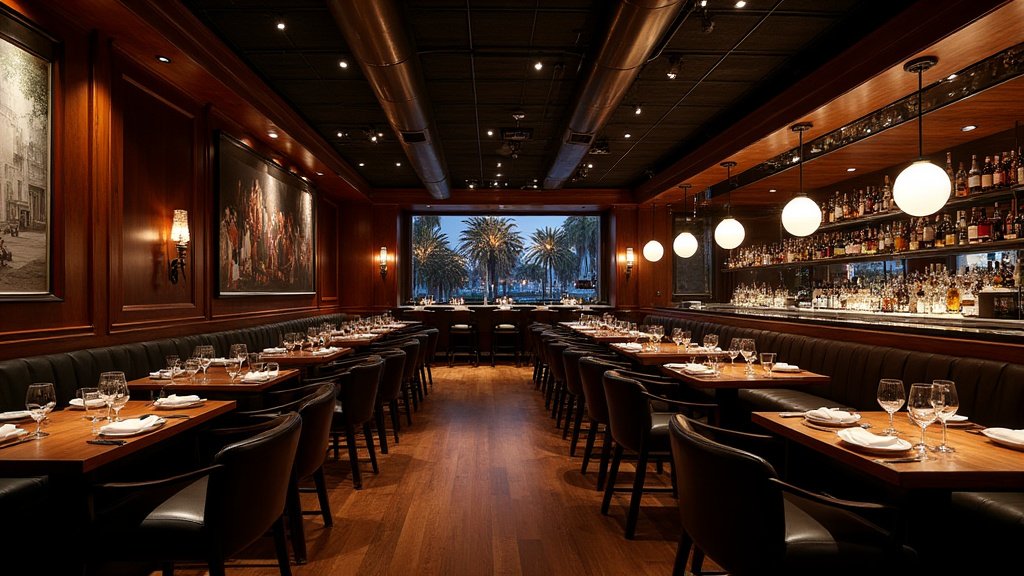
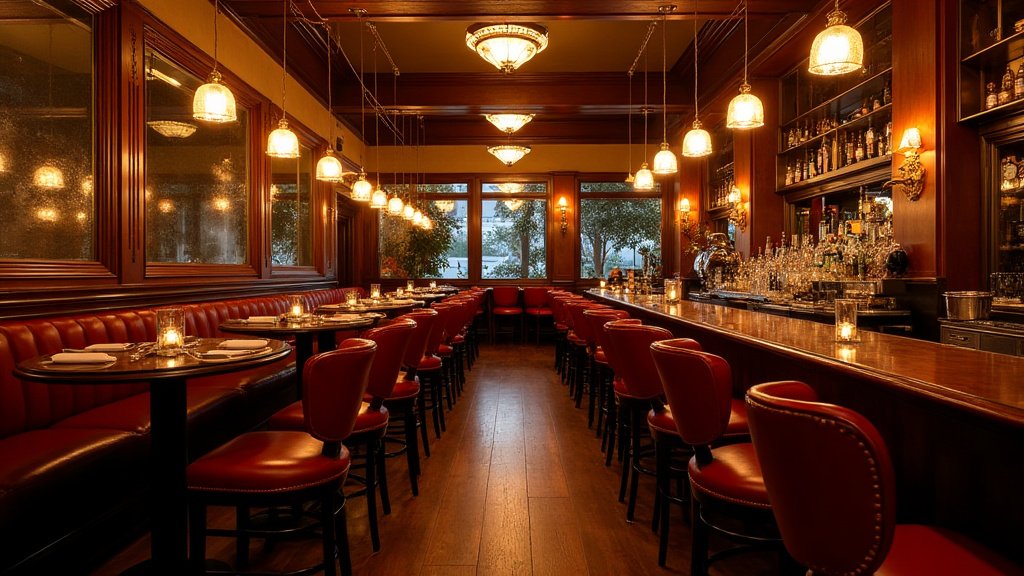
According to the court filing, the confrontation occurred at the well-known Hollywood-themed bar, Good Times at Davey Wayne’s, a venue popular among the city’s entertainment elite. The plaintiff, who held a managerial role at the establishment, claims the incident escalated when he attempted to address a situation involving the director and his son. The lawsuit asserts that the interaction quickly devolved, with the plaintiff alleging that he was subjected to aggressive behavior, including battery and verbal abuse that included the use of racial slurs.
Perhaps the most alarming allegation within the civil complaint is the claim that a firearm was brandished during the altercation. The plaintiff argues that the director or his son displayed a gun, creating a life-threatening scenario that extended well beyond a standard dispute over entry or conduct at a commercial venue. These accusations form the crux of the civil lawsuit, which seeks damages for the alleged physical and emotional harm caused by the incident.
Legal Implications of the Civil Filing
In the jurisdiction of California, a civil lawsuit of this nature functions as a request for accountability and monetary damages, distinct from criminal proceedings. The plaintiff must demonstrate that the defendants engaged in tortious conduct—specifically, that the actions taken by Antoine and Brando Fuqua caused direct injury or emotional distress. While this is a civil matter, the severity of the allegations, particularly those involving the potential brandishing of a weapon and the use of racial epithets, carries significant social and professional weight.
Legal experts suggest that such cases often hinge on security footage, witness testimony from staff and patrons, and the timeline of events established by the venue’s internal logs. In a city like Los Angeles, where celebrity interactions are commonplace, the adjudication of such disputes in the Los Angeles Superior Court often faces high media scrutiny. The defense will likely focus on the conduct of the plaintiff, potential inconsistencies in the narrative, and the broader context of the evening, aiming to mitigate the severity of the claims.
The ‘Michael’ Biopic and Industry Context
Antoine Fuqua is currently at the center of the industry’s attention as he directs the upcoming Michael Jackson biopic, ‘Michael.’ The project is expected to be a career-defining piece of work, placing Fuqua under a microscope from studios, investors, and the public. In Hollywood, the ‘personal brand’ of a director is inextricably linked to the commercial viability of their projects. Major studios, including the distributor of ‘Michael,’ are risk-averse, and legal controversies—especially those involving violence—can create complicated public relations hurdles.
While the lawsuit is separate from his professional work, the cultural conversation surrounding it cannot be easily bifurcated. The industry is currently in a period of intense scrutiny regarding the conduct of high-profile figures, and the allegations against Fuqua—if proven true in court—could have ripple effects on his standing. For now, the production of his current film proceeds, but the legal battle serves as a stark reminder of the fragile balance between high-profile social life and the legal liabilities that attend it.
The Dynamics of Nightlife Security
This incident also highlights the ongoing tension between venue management and high-net-worth individuals in Los Angeles nightlife. Hollywood establishments like Good Times at Davey Wayne’s operate with strict capacity, entry, and conduct policies. Managers are empowered—and often required by insurance and safety regulations—to enforce these policies, regardless of a patron’s status or celebrity.
When these enforcement actions clash with the egos or expectations of A-list celebrities or their families, the results can be litigious. This case represents a growing trend of civil suits stemming from nightlife altercations, where the perceived ‘VIP’ status is allegedly used to bypass standard safety protocols, leading to legal standoffs that eventually play out in the courtroom rather than on the venue floor.