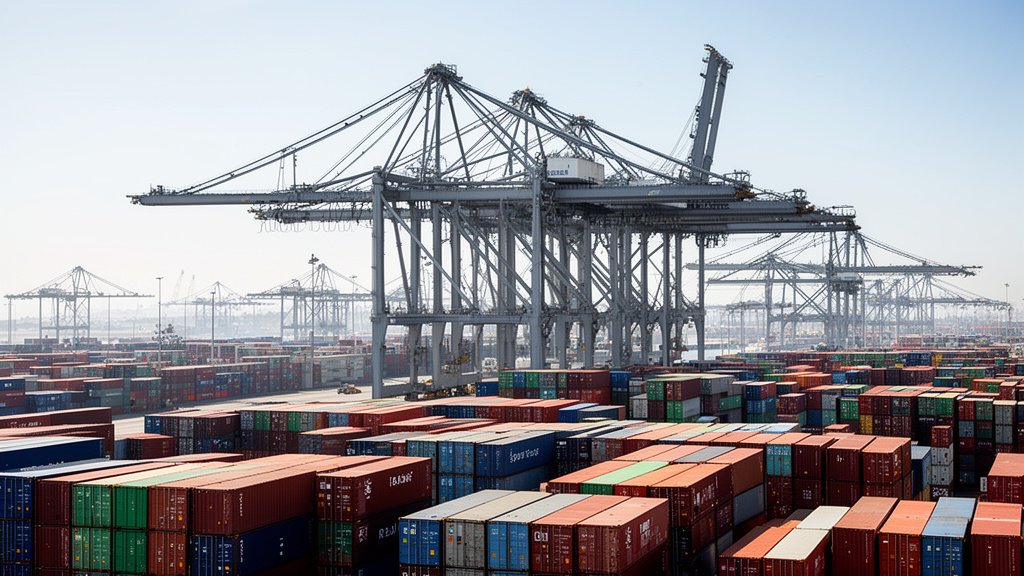
Security personnel safeguarding the Ports of Los Angeles and Long Beach have reached a tentative agreement with their employers, successfully averting a strike that threatened to cripple regional logistics and stall national import chains. The resolution, which comes after weeks of tense negotiations, ensures that the vital flow of goods—which accounts for approximately 40% of all containerized cargo entering the United States—will continue without interruption. This deal marks a critical win for labor stability in the Southern California logistics hub, where even minor disruptions can create cascading delays across the global economy.
Key Highlights
- Strike Averted: Security workers and employers finalized a tentative contract, neutralizing the immediate threat of a work stoppage.
- Strategic Importance: The Ports of Los Angeles and Long Beach serve as the primary gateway for US-Asia trade, necessitating uninterrupted operations.
- Economic Resilience: The agreement prevents potential multi-billion-dollar losses that a localized logistics strike would have triggered during a peak shipping season.
- Labor Continuity: Both sides have signaled a commitment to long-term operational stability, prioritizing safety and compensation standards.
Safeguarding the Global Gateway: The Anatomy of the Deal
The averted strike at the Ports of Los Angeles and Long Beach represents more than just a successful negotiation between a union and their employers; it is a vital checkpoint in the ongoing effort to modernize and stabilize the US supply chain. The security workers, represented by the Security, Police and Fire Professionals of America (SPFPA), are the unsung frontline of the port’s operational integrity. Their responsibilities extend far beyond physical perimeter protection—they are responsible for the oversight of cargo access, facility safety, and the facilitation of critical entry points for thousands of heavy-duty trucks and rail assets daily.
When negotiations stalled, the specter of a shutdown loomed large. The logistics industry is notoriously sensitive to volatility. A strike at this specific location would not have been contained to Southern California; instead, it would have created an immediate bottleneck, trapping billions of dollars in inventory at sea. By reaching this tentative agreement, both parties have acknowledged the fragility of the current “just-in-time” delivery model. The terms of the deal—the specifics of which are currently being reviewed by the rank-and-file—reportedly address key concerns regarding wage adjustments, health and safety protocols, and staffing levels, ensuring that the security force remains motivated and adequately supported to handle the increasing density of port activity.
The Economic Ripple Effect
To understand the significance of this deal, one must quantify the role of the Los Angeles and Long Beach port complex. These facilities are the busiest in the Western Hemisphere. A disruption here acts as a force multiplier for inflation; when cargo remains stuck on vessels, the scarcity of goods drives up prices on store shelves across the country. Retailers, manufacturing plants, and e-commerce giants rely on the seamless processing of these containers. A strike would have arguably forced major retailers to expedite air-freight shipping at exorbitant costs, or worse, face empty shelves during the upcoming quarter. By avoiding this stoppage, the negotiators have effectively stabilized the cost of goods for the average American consumer, preventing a surge in logistics-related inflation that often follows industrial disputes at major transit hubs.
The Evolution of Modern Port Security
Historically, port security was viewed as a passive role—gate-keeping and patrol. However, in the modern era, the scope has shifted. With the increasing integration of smart technology, automated guided vehicles (AGVs), and complex cybersecurity infrastructure within the terminals, security teams are now technical partners in port operations. They serve as the buffer between sensitive digital systems and physical reality. The recent negotiations highlighted a recognition of this evolving role. The union’s push for updated compensation packages is a reflection of the increased technical requirements and the elevated stakes involved in safeguarding the nation’s most critical economic infrastructure.
Future-Proofing Labor Relations
As we look forward, the success of this last-minute deal provides a blueprint for future labor-management relations. The maritime industry is undergoing a massive transformation, driven by automation and sustainability mandates. Tensions between labor unions and port operators are expected to rise as job roles change and technology disrupts traditional workflows. This settlement proves that proactive communication and a mutual understanding of the economic stakes can bridge the gap between demands for fair compensation and the employer’s need for operational efficiency. The next phase for the Ports of Los Angeles and Long Beach will involve integrating these newly negotiated labor standards into the broader goal of a sustainable, technologically advanced logistics network. Continued dialogue will be the only way to avoid similar crises in the future, as the reliance on these ports only grows as global trade volumes increase.
FAQ: People Also Ask
Q: Why was a strike at the Ports of Los Angeles and Long Beach so concerning?
A: These ports handle approximately 40% of all containerized imports into the United States. A shutdown would cause immediate, severe congestion across the entire national supply chain, impacting everything from retail prices to manufacturing production lines.
Q: Who were the primary parties involved in the negotiations?
A: The negotiations involved the security personnel, represented by the Security, Police and Fire Professionals of America (SPFPA), and the private employers/contractors responsible for providing security services to the port terminals.
Q: What happens if the union members do not ratify the tentative agreement?
A: A tentative agreement is a preliminary deal that must be voted on by the union membership. If the members reject the proposal, the parties would likely return to the bargaining table to address the specific concerns that led to the rejection, though the current tone suggests a high likelihood of approval.
Q: Does this agreement end all labor disputes at the port?
A: No. This deal specifically pertains to the security workforce. Other port workers, including dockworkers represented by different unions (like the ILWU), negotiate their own contracts, which operate on separate timelines and under different legal frameworks.