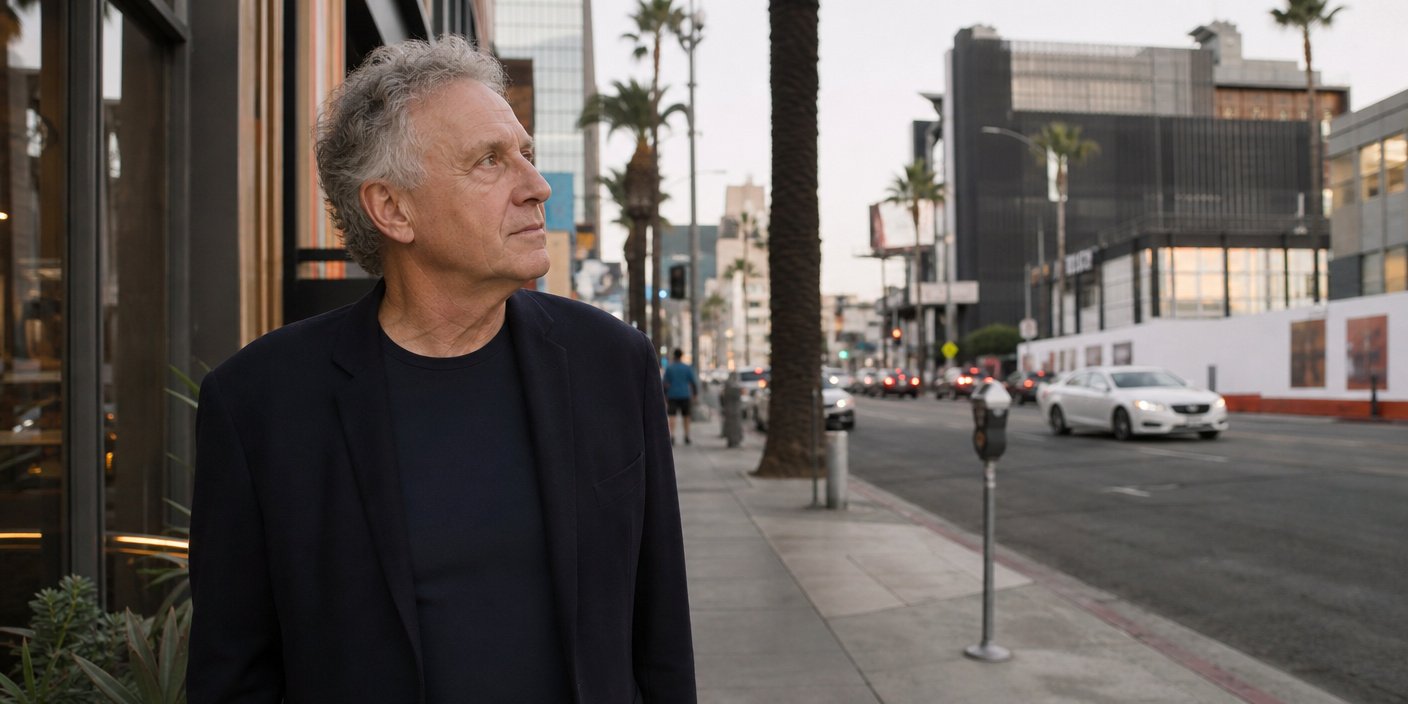
The Sunset Strip has long served as the beating heart of Los Angeles rock-and-roll lore, but in recent years, the iconic thoroughfare has faced an identity crisis. Enter Ian Schrager, the hospitality visionary who redefined nightlife with Studio 54 and pioneered the boutique hotel movement. His latest venture, Public West Hollywood, represents more than just another hotel opening; it is a meticulously calculated attempt to inject theatricality, accessibility, and high-design energy into a district searching for its next act. By bringing his signature ‘luxury for all’ philosophy to the 8490 Sunset Boulevard corridor, Schrager is signaling a pivot toward a more curated, immersive, and elevated nightlife experience that aims to lure a new generation of visitors back to one of the most famous streets in the world.
Key Highlights
- Visionary Leadership: Ian Schrager, the creator of the Public brand and co-founder of Studio 54, leads the development, bringing decades of experience in high-concept hospitality to the Sunset Strip.
- The ‘Luxury for All’ Concept: The hotel is built on a specific economic and social model that provides top-tier design and service at a price point accessible to a wider demographic, challenging the exclusivity typical of West Hollywood resorts.
- District Revitalization: This project serves as a cornerstone for the cultural and economic pivot of the Sunset Strip, shifting the area’s focus from gritty, historic nostalgia to modern, lifestyle-centric tourism.
- Theatrical Architecture: The property is designed not merely as a place to sleep, but as a multi-sensory ‘stage’ with public spaces designed to function as the center of gravity for local nightlife.
The Rebirth of a Cultural Landmark
The Sunset Strip has survived decades of flux—from the hippie revolution and the hedonism of the 70s to the corporate homogenization of the 2010s. Yet, in the post-pandemic era, the Strip has struggled to find a cohesive identity that resonates with both locals and international travelers. The arrival of Public West Hollywood is not simply a business expansion; it is a tactical strike to restore the area’s relevance. Ian Schrager understands that the ‘buzz’ of a location is not just about the real estate but about the programming of the human experience within that space.
Designing the ‘Stage’ for Social Interaction
Schrager’s approach to the Public West Hollywood property is rooted in the philosophy that hotels should be ‘a living room for the city.’ Unlike traditional luxury hotels that isolate guests from the street, the Public brand is built on porous boundaries. The design prioritizes expansive, open-concept lobbies, communal work-play areas, and bars that are specifically calibrated to be the ‘place to see and be seen.’ By treating the hotel as a theatrical production, Schrager is creating an environment where the guest is part of the show. This design ethos is a direct evolution of his work at the Delano in Miami and the Gramercy Park Hotel in New York—spaces that thrive on a delicate balance of intimacy and spectacle.
The Economics of ‘Accessible Luxury’
Perhaps the most disruptive element of the Public West Hollywood project is its pricing strategy. In a market where luxury on the Strip is often synonymous with prohibitive gatekeeping, the Public brand model centers on ‘democratic luxury.’ This involves stripping away the ‘unnecessary’ costs—the bloated room service menus, the excessive layers of staff—to lower the price point without compromising on the aesthetics or the quality of the ‘vibe.’ This creates a high-volume, high-energy environment that fosters a more diverse social mix than the typical five-star enclave, which is precisely the kind of foot traffic the Sunset Strip needs to sustain its nighttime economy.
A Shift in the Sunset Strip’s DNA
The Strip has historically oscillated between a ‘tourist trap’ narrative and an ‘industry insiders’ playground. Schrager’s influence is aimed at bridging this gap. The goal is to provide a venue that feels authentic enough for a local creative to host a meeting, yet ‘cool’ enough for an international jetsetter to make a home base. This is crucial for the Strip’s economic sustainability. By creating a hub that functions effectively on a Tuesday morning for coffee and a Friday night for cocktails, Public West Hollywood stabilizes the district’s demand cycle, smoothing out the peaks and valleys that have plagued smaller, specialized venues for years.
The Historical Weight of the Locale
One cannot overlook the historical context of the site. Developing on the Sunset Strip requires navigating the ghosts of the past. Schrager is leaning into this, rather than shying away from it. By incorporating the ‘theatrical’ elements of his past—flashes of Studio 54’s grit mixed with refined, modern minimalism—he is effectively paying homage to the Strip’s history as a place of reinvention. The challenge, of course, is scale. Can one property anchor a block? If anyone has the track record to prove that a single destination can create a ‘halo effect’ that improves the fortunes of surrounding businesses, it is Ian Schrager.
FAQ: People Also Ask
Q: What is the primary design philosophy behind the Public West Hollywood?
A: The project utilizes Ian Schrager’s ‘luxury for all’ model, which aims to provide high-end, design-centric hospitality at an accessible price point, moving away from traditional, exclusionary luxury.
Q: Does Public West Hollywood intend to compete with established Sunset Strip venues?
A: Rather than competing, the project acts as a magnet. Schrager’s strategy is to increase the total volume of visitors to the Strip by creating a ‘living room’ atmosphere that encourages social activity throughout the day and night, benefiting the broader ecosystem of the district.
Q: How does this project impact the cultural perception of the Sunset Strip?
A: It attempts to modernize the Strip by pivoting away from purely nostalgic rock-and-roll tourism toward a contemporary, lifestyle-driven experience that appeals to modern travelers and local creatives, potentially stabilizing the district’s nighttime economy.