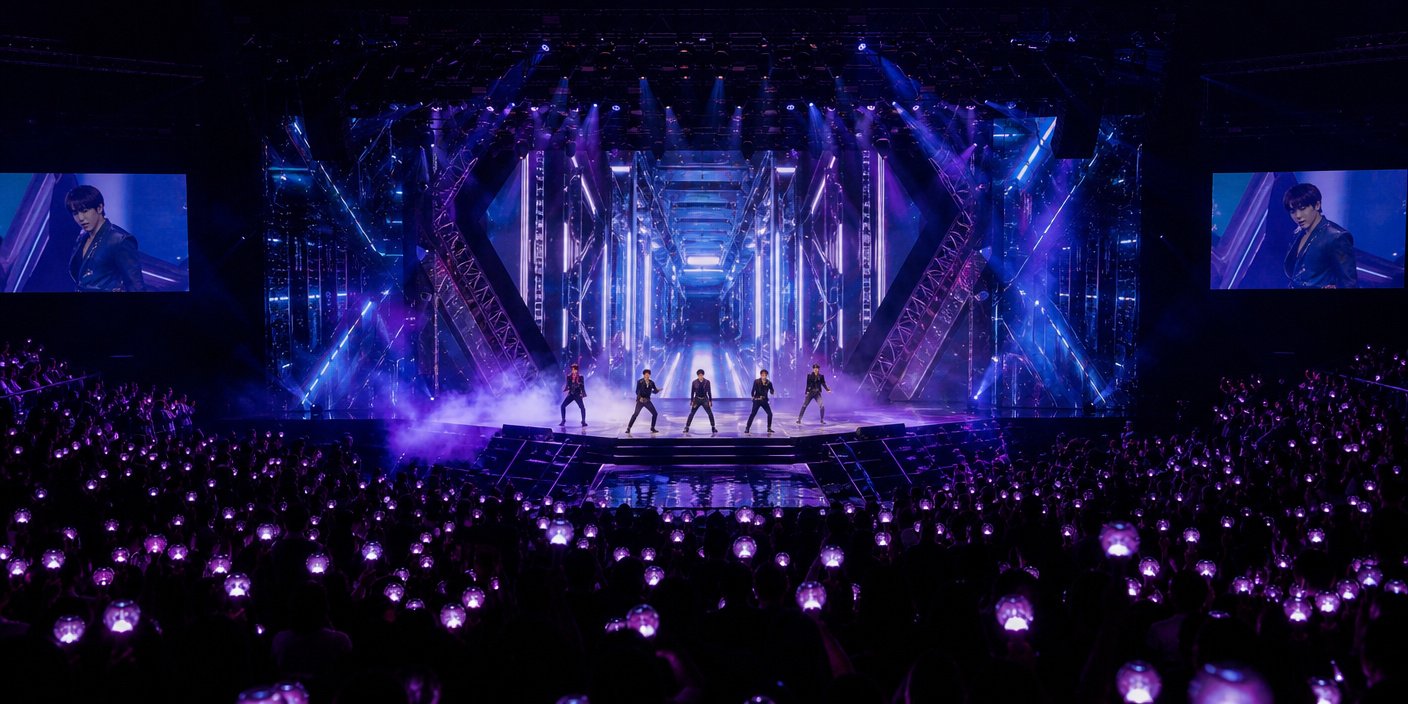
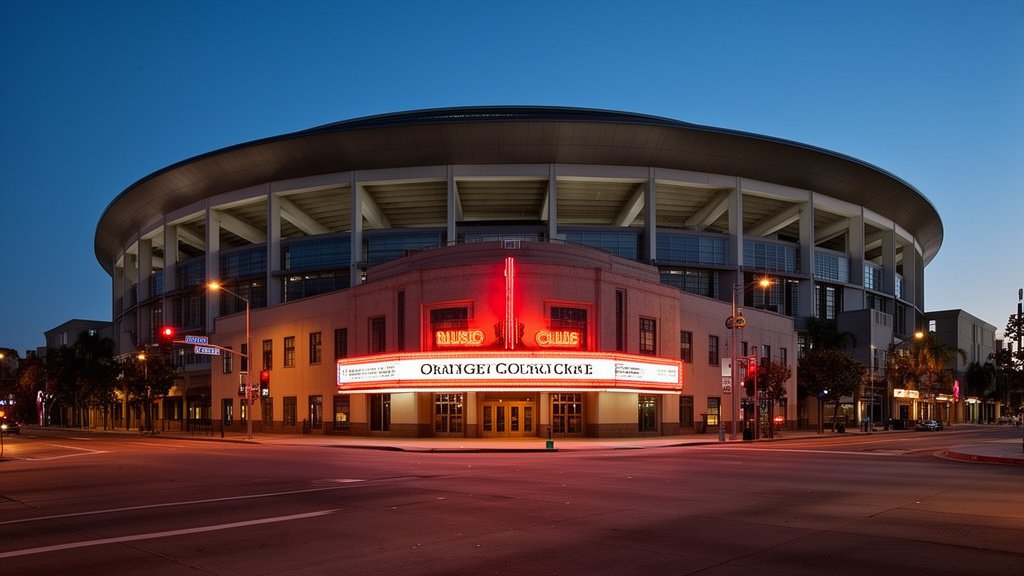
The Southern California live music landscape is currently defined by a striking dichotomy: the unstoppable growth of mega-stadium touring and the resilient, essential culture of regional music venues that act as the region’s creative lifeblood. As Orange County continues to position itself as a premier destination for global touring acts, the interplay between massive economic developments—such as the transformative OC Vibe project—and the long-standing community centers of the local music scene is reshaping how Southern California consumes live entertainment. This evolution is not merely about ticket sales; it is a complex recalibration of infrastructure, community identity, and the localized economic impact of the multi-billion-dollar touring industry.
Key Highlights
- The Stadium Scale: SoFi Stadium and the expanded Honda Center remain the pillars of the regional touring circuit, with SoFi maintaining a massive capacity exceeding 70,000 for top-tier global residencies.
- Economic Development: The $4 billion ‘OC Vibe’ project in Anaheim is set to redefine the Honda Center’s surroundings, integrating residential, retail, and entertainment spaces to create a 24/7 destination.
- The Venue Dichotomy: While stadiums draw international acts, venues like The Observatory in Santa Ana remain critical for tour development, providing the ‘hometown’ intimacy required for band-fan connection.
- Market Dynamics: Live Nation and AEG Presents continue to dominate the booking landscape, driving a shift toward premium concert experiences and dynamic pricing models across Orange County.
The Changing Landscape of Southern California’s Concert Infrastructure
The Southern California concert market has undergone a significant transformation in the last 24 months, driven by shifting fan preferences and massive capital investments. For decades, the region’s live music scene was categorized by a somewhat loose collection of clubs, theaters, and mid-sized arenas. Today, that map is becoming more defined by massive, multi-purpose complexes that seek to capture the entire entertainment lifecycle of a concertgoer.
The Rise of the ‘Live-Work-Play’ Venue Concept
At the forefront of this shift is the OC Vibe development in Anaheim. This is not just a renovation of a stadium parking lot; it is a strategic effort to transform the Honda Center—the home of the Anaheim Ducks and a primary stop for major touring artists—into a centerpiece of a 100-acre, pedestrian-friendly entertainment district. The economic implication is clear: by keeping attendees in the vicinity before and after shows, the venue maximizes per-capita spending and cements Orange County as a standalone powerhouse, rather than a satellite market to Los Angeles.
This trend is a response to the logistical challenges faced by touring production teams. Modern stadium tours are increasingly complex, requiring significant load-in and load-out windows. Venues that can offer a seamless experience, with high-end hospitality suites and integrated logistics, are naturally winning the competition for major routing dates. For fans, this means a higher quality of service, but it also necessitates an adjustment to the rising costs associated with premium arena experiences.
The Stadium Effect: SoFi and Beyond
Meanwhile, in the broader SoCal context, SoFi Stadium in Inglewood remains the gravitational center. Its ability to host consecutive sell-out shows, often upwards of 70,000 capacity per night, has set a new benchmark for what constitutes a ‘major’ tour stop. The sheer scale of operations required for a SoFi date creates a trickle-down effect, where local OC venues often pick up the ‘off-night’ or opening act performances that cannot be accommodated in the stadium’s massive footprint. This symbiotic relationship ensures that while the stadiums grab the headlines, the local venues maintain a consistent, year-round flow of diverse programming.
The Cultural Anchor: Why Local Venues Matter
Despite the flash and revenue of the mega-stadiums, the local club scene, anchored by institutions like The Observatory in Santa Ana, remains the region’s cultural anchor. These venues are where the industry performs its most important work: talent development. By providing the infrastructure for mid-tier artists to perform for 500 to 1,000 fans, these venues act as a critical proving ground. In 2024 and 2025, we are observing a trend where artists are increasingly vocal about the need for these ‘room-level’ interactions to maintain their creative edge, counterbalancing the sterility that can sometimes accompany stadium shows.
Economic Impacts and Touring Realities
From a macroeconomic perspective, the touring sector in Southern California contributes hundreds of millions of dollars annually to the regional GDP. This encompasses not just ticket revenue, but hospitality, transit, and security services. However, the reliance on high-volume ticket sales has introduced new volatility. Dynamic pricing, implemented by major ticketing platforms, has caused friction between fans and organizers, often leading to sold-out arenas with complaints about accessibility. As we look toward the remainder of the 2024 calendar, the industry is closely watching how these pricing strategies will affect long-term fan loyalty. Will the ‘event-ification’ of concerts lead to a ceiling in ticket costs, or will the demand for live experiences continue to outpace inflationary pressures? Current data suggests that for top-tier acts, the demand remains inelastic, but for mid-tier touring acts, the pressure to maintain affordable entry points is intensifying, potentially forcing a market correction.
Future Predictions: Technology and Fan Experience
Looking forward, the integration of advanced technology into the fan experience is the next frontier. We expect to see more venues adopting biometric entry systems, cashless transaction ecosystems, and enhanced AR (Augmented Reality) components at shows. The goal is to reduce friction at entry points and increase engagement during the performance. Furthermore, sustainability is becoming a non-negotiable metric for touring acts. Venues that can provide carbon-neutral energy solutions and waste-reduction programs will find themselves at the top of booking lists for environmentally conscious artists. Southern California, with its progressive regulatory environment, is uniquely positioned to lead this transition, potentially becoming a testbed for the future of green concert infrastructure in the United States.