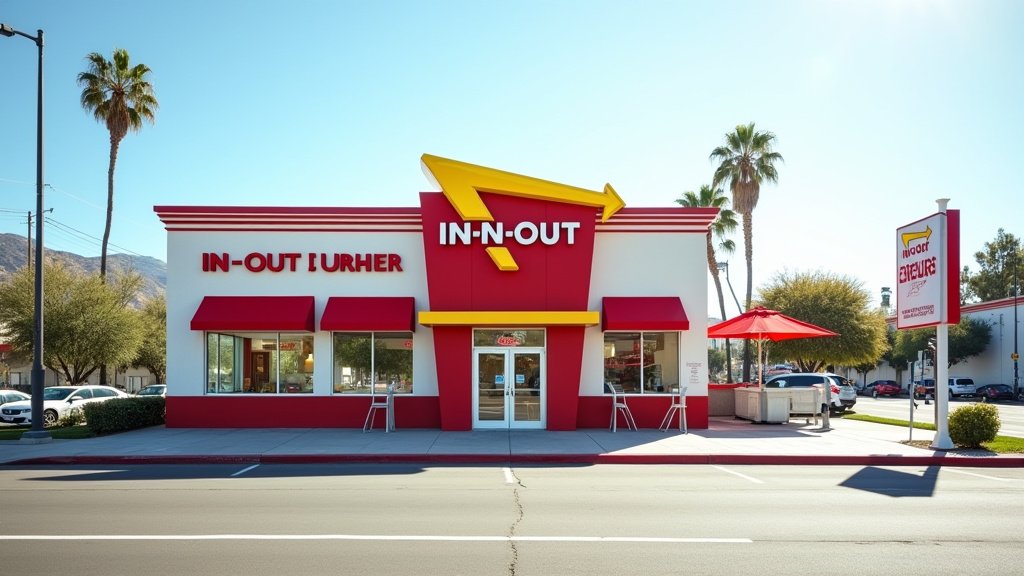
The iconic Southern California fast-food institution, In-N-Out Burger, has officially signaled a comprehensive crackdown on unauthorized distribution and ‘black market’ reselling operations currently plaguing the Los Angeles metropolitan area. As reports of illicit delivery services marking up menu items by as much as 300% surface, the company is intensifying efforts to dismantle these unauthorized supply chains, citing critical concerns regarding brand integrity, food safety, and customer exploitation.
The Anatomy of the ‘Black Market’ Surge
The phenomenon, often referred to in industry circles as ‘grey market’ or unauthorized third-party delivery, has seen independent operators bypass official corporate partnerships. Unlike established delivery platforms that operate under service agreements, these independent resellers physically purchase food from In-N-Out locations and transport it to consumers, often with no specialized insulated equipment or regard for standard food-handling safety protocols.
In Los Angeles, this practice has surged, with opportunistic resellers setting up ad-hoc services that target high-density areas, corporate campuses, and neighborhoods with limited immediate access to physical In-N-Out restaurants. The primary economic driver is the extreme markup; a standard Double-Double meal, which retails for a modest price at the counter, is frequently being resold for two to three times its value to customers who view the premium as a convenience fee. However, In-N-Out’s corporate philosophy has remained steadfast: they do not license, franchise, or authorize third-party delivery partners, asserting that their product is best consumed fresh within their own controlled environments.
Brand Integrity and the Food Safety Threshold
The core of the conflict lies in the definition of food quality. In-N-Out Burger has built its multi-generational reputation on the principle that ‘Quality is our Recipe.’ This extends beyond ingredients to the delivery method itself. When a customer receives a burger that has been sitting in a non-temperature-controlled vehicle for an hour, the product no longer reflects the company’s standards.
Legal experts suggest that the company is likely building a case around ‘tortious interference’ and trademark dilution. By branding these deliveries as ‘In-N-Out,’ unauthorized resellers are confusing the consumer base. When the food arrives cold or improperly packaged, the negative perception inevitably falls upon the In-N-Out brand, rather than the third-party courier. This creates a tangible business risk that the company is now moving to mitigate through increased monitoring of high-volume orders placed at specific locations known to be hubs for these reseller networks.
The Economic and Regulatory Landscape
Beyond the corporate dispute, local authorities are beginning to pay attention to the regulatory vacuum. Many of these unauthorized resellers operate without proper food handling permits, health department certifications, or the necessary liability insurance to cover foodborne illness incidents. This creates a significant liability trap for the resellers, but also potentially for the platforms facilitating the transactions.
From a consumer perspective, this crackdown serves as a cautionary tale. While the allure of having a fresh Double-Double delivered to one’s doorstep is high, the lack of transparency in the ‘black market’ ecosystem means consumers are often unaware of the hygienic conditions under which their meal was handled. Local officials warn that these operations are fundamentally different from authorized delivery services, which must adhere to strict state and local mandates regarding temperature control and food safety handling.
Secondary Angles: Future Implications
1. The Death of the ‘Grey Market’: As corporations tighten control over their supply chains, we are likely to see a shift toward more sophisticated digital tracking systems that identify bulk-purchase fraud in real-time, effectively locking out accounts associated with suspected resale activity.
2. The Convenience Trade-off: This incident highlights a growing consumer demand that In-N-Out has historically resisted. It raises the question of whether the company will eventually be forced to launch a proprietary delivery service to satisfy demand, or if they will continue to bank on the ‘experience-first’ model that drives people to the physical drive-thru.
3. Precedent for Fast-Casual: Other major chains facing similar unauthorized delivery issues are watching the In-N-Out situation closely. If legal action successfully shutters these operations in Los Angeles, it will set a significant legal precedent for how brands can protect their trademarked food products in the gig-economy era.
FAQ: People Also Ask
Q: Does In-N-Out officially partner with any delivery apps?
A: No. In-N-Out Burger maintains a strict policy of owning and operating its own stores. They do not have official partnerships with DoorDash, UberEats, Grubhub, or any other third-party delivery services.
Q: Is it illegal to resell fast food?
A: While buying food is legal, many jurisdictions have strict health department regulations regarding the transport and resale of prepared foods. Unauthorized resellers often violate health code standards by failing to maintain required food temperatures (hot/cold holding requirements), which can lead to legal penalties and shutdowns by local health departments.
Q: Why does In-N-Out charge less than competitors if they care so much about quality?
A: In-N-Out’s business model is built on high volume, vertical integration, and a limited, standardized menu. By refusing to franchise or engage in high-cost delivery partnerships, they keep their operational overhead low, which allows them to maintain price competitiveness while investing more in their employees’ wages and high-quality fresh ingredients.