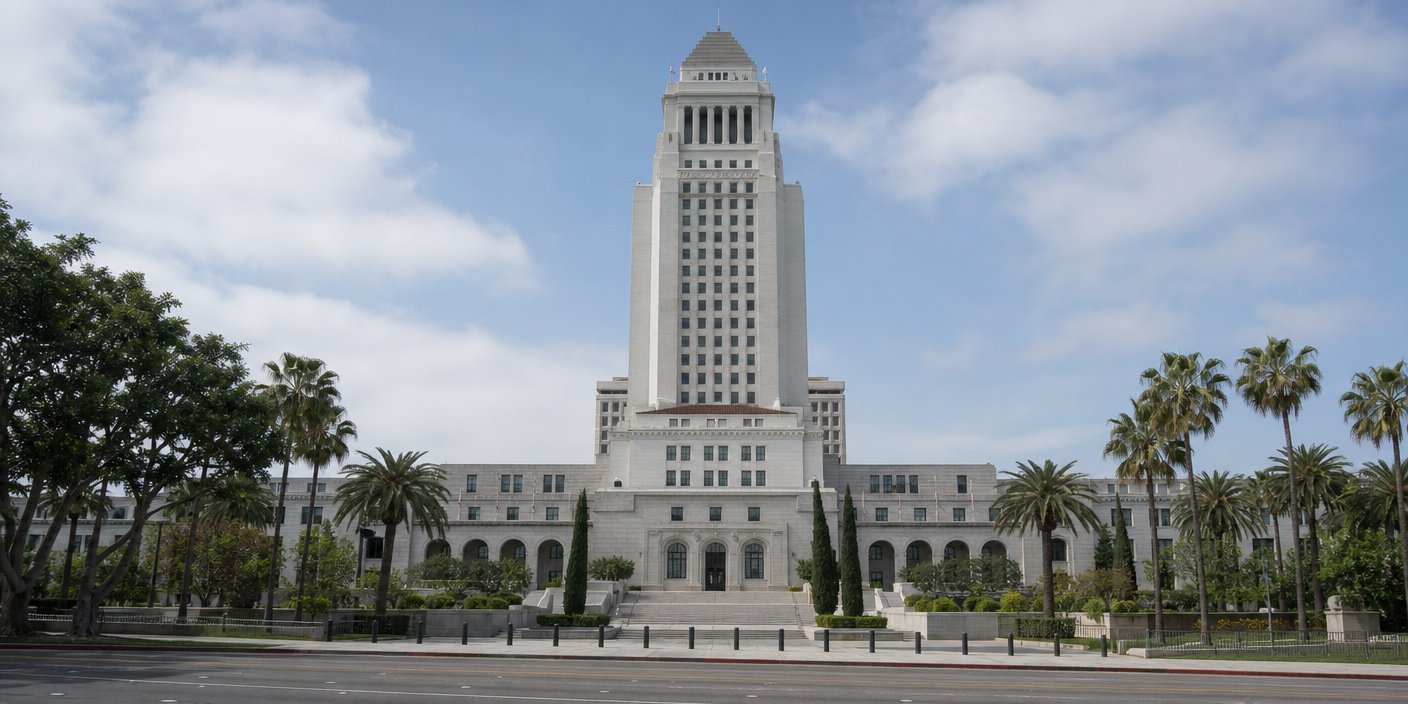
As the nation moves closer to critical upcoming election dates, immigration advocacy groups, community leaders, and grassroots organizations in California are reporting a troubling surge in U.S. Immigration and Customs Enforcement (ICE) activity. While federal immigration enforcement is a constant presence, the intensification of raids in regions across Southern California has sparked intense backlash. Critics and advocates alike are alleging that the timing and nature of these enforcement operations are not merely procedural, but represent a calculated effort to intimidate immigrant communities and suppress voter turnout ahead of the upcoming midterms.
The Anatomy of the Allegations
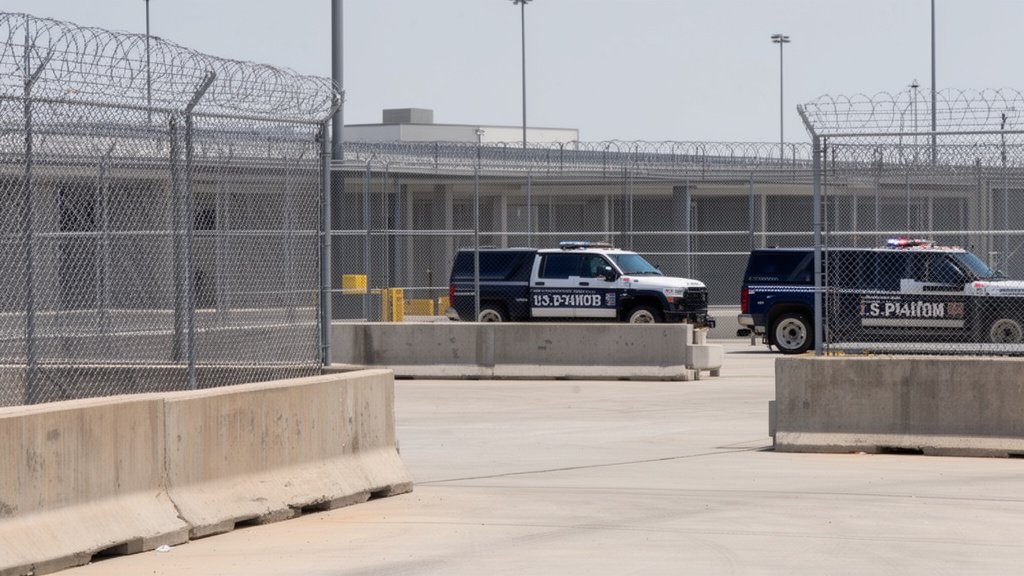
Recent reports from groups like the Coalition for Humane Immigrant Rights (CHIRLA) and the American Civil Liberties Union (ACLU) indicate an uptick in localized enforcement “surges.” These operations, often characterized by high-visibility deployments, typically involve tactical vehicles and checkpoints in neighborhoods with high concentrations of mixed-status families.
The core of the allegation is the “chilling effect” theory. Advocates argue that when ICE agents saturate neighborhoods days or weeks before an election, it serves as a psychological barrier to civic engagement. For an immigrant household—even those with U.S. citizen voters—the mere presence of federal enforcement agents can induce a state of heightened anxiety. This fear, advocates contend, leads to self-censorship and a withdrawal from public life, which includes avoiding polling stations, community meetings, and even public transit routes that may be monitored.
The Intersection of Federal Power and Local Autonomy
California remains a “Sanctuary State,” governed by laws such as the California Values Act (SB 54), which limits the cooperation of local law enforcement with federal immigration authorities. However, ICE operates under federal jurisdiction, which effectively preempts state-level protections regarding their tactical enforcement actions.
This legal friction creates a vacuum of accountability. While local police in cities like Los Angeles are legally barred from participating in or facilitating federal immigration raids, their absence does not stop federal agents from conducting operations independently. This leads to a scenario where federal agents operate without the local oversight that typically governs police-community relations, resulting in limited transparency regarding the goals, scope, and specific targets of these operations. The lack of clear communication from federal field offices only compounds the community’s distrust, making it difficult for local officials to provide accurate safety information to their constituents.
Psychological Warfare and Civic Participation
The secondary, yet perhaps more damaging, angle is the psychological toll on mixed-status families. In these households, the voter may be a U.S. citizen or a lawful permanent resident, but the family unit is deeply interconnected. The prospect of an ICE raid creates a “protectionist” response where the voting-eligible family members opt to stay home rather than risk leaving a vulnerable family member alone or drawing attention to their household.
Research into civic participation has long suggested that environmental stressors significantly correlate with lower turnout. When the “environment” includes the active threat of detention or deportation, the barrier to entry for the democratic process becomes insurmountable for many. This is particularly prevalent in lower-income, high-density housing areas where ICE tactics are often deployed. The strategy, according to critics, is not necessarily to catch specific targets, but to create an atmosphere of instability that discourages the entire community from leaving their homes for any non-essential reason, let alone for civic participation.
Historical Context: Enforcement and the Election Cycle
Historically, immigration enforcement has fluctuated based on political administration policies, but the intersection of raids with election cycles is a pattern that has emerged over the last two decades. Political analysts note that immigration enforcement is often treated as a “lever” in political discourse. By increasing visibility in key electoral districts, federal agencies—whether intentional or not—become active participants in the political narrative of the region.
This trend poses a challenge for democracy, as it effectively weaponizes immigration policy against the franchise. While ICE maintains that their operations are “routine” and “law-enforcement focused,” the lack of coordination with election timelines creates an optics disaster that undermines the legitimacy of the electoral process in the eyes of the affected demographic. Moving forward, observers suggest that independent oversight committees may need to demand a “de-escalation period” for federal enforcement leading up to national elections to ensure that civic participation remains free from external intimidation.
FAQ: People Also Ask
Q: What are the legal rights of immigrants during an ICE raid?
A: Individuals have the right to remain silent and do not have to open their doors unless agents have a warrant signed by a judge. It is advised to ask agents to slide the warrant under the door for inspection before complying.
Q: Does California’s ‘Sanctuary State’ status protect against all ICE raids?
A: No. SB 54 limits state and local police cooperation with ICE, but it cannot stop federal agents from conducting their own investigations or detentions, as federal law supersedes state law in these matters.
Q: Can I report intimidation tactics if I see them at a polling place?
A: Yes. If there is visible enforcement activity designed to prevent access to a polling site, voters should contact the Election Protection Hotline and local civil rights organizations immediately to document the event.