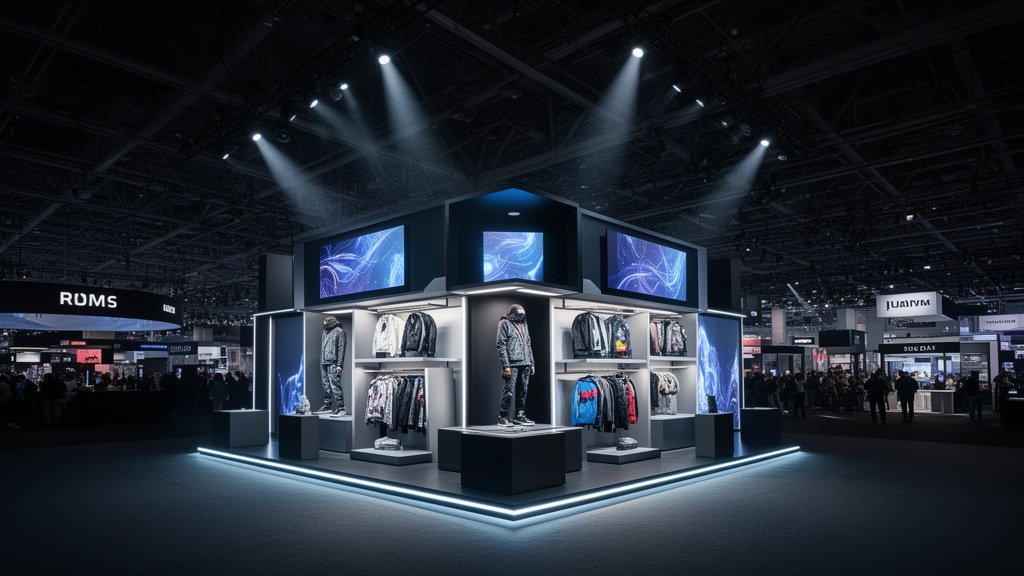
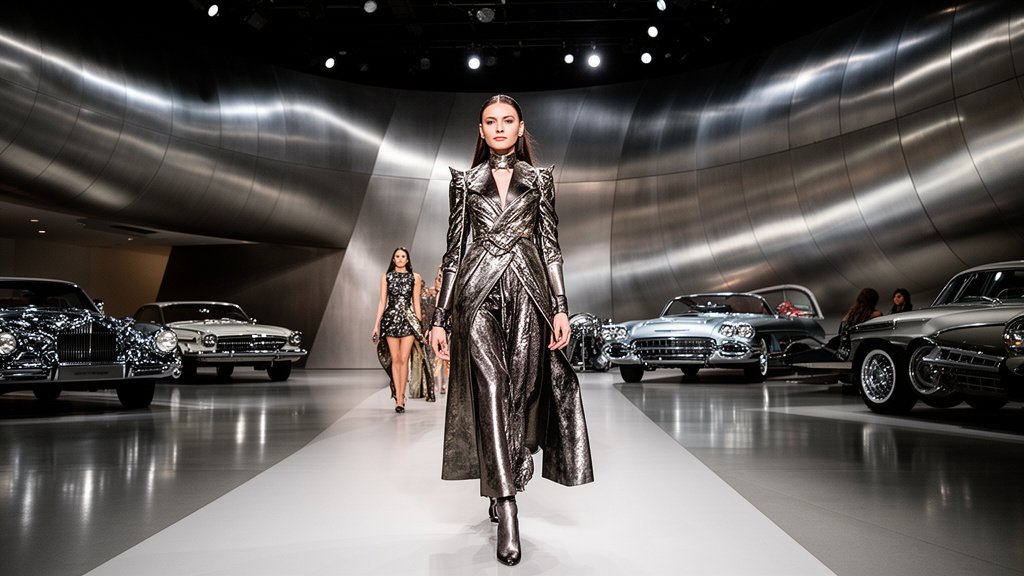
Los Angeles Fashion Week (LAFW) has officially kicked off its highly anticipated Fall/Winter 2026 season, marking a significant return to form with an immersive showcase hosted at the iconic Petersen Automotive Museum. Running from October 8 through October 12, this multi-day event positions the city’s primary fashion showcase as a hub for international design talent, diverging from the fragmented, non-event venues of previous years to establish a cohesive, high-fashion narrative within one of Wilshire Boulevard’s most recognizable architectural landmarks.
Key Highlights
- Official Dates: The event spans October 8 to October 12, 2026, creating a five-day epicenter of creative expression.
- Prime Location: The Petersen Automotive Museum serves as the primary host venue, shifting LAFW away from scattered, smaller venues toward a centralized, culturally significant anchor.
- Design Focus: The showcase highlights Fall/Winter 2026 collections, emphasizing a mix of avant-garde streetwear and structured couture.
- Global Reach: The roster features a curated selection of international designers, cementing Los Angeles’ role in the global fashion calendar.
The Architecture of Style: Why the Petersen Matters
The decision to host Los Angeles Fashion Week at the Petersen Automotive Museum is more than just a logistical upgrade; it is a profound symbolic alignment between two of Los Angeles’ most defining industries: automotive innovation and design-led couture. The Petersen, with its striking, ribbon-like stainless steel façade designed by Kohn Pedersen Fox, offers an industrial yet futuristic backdrop that complements the structural experimentation often seen in contemporary fashion.
A New Era of Centralization
Historically, Los Angeles Fashion Week has struggled with the “scattered” label. Designers have often been forced to host shows in disparate locations—from hotel ballrooms to repurposed warehouses—making it difficult for buyers, media, and enthusiasts to experience the event as a singular, unified cultural force. By consolidating the majority of the Fall/Winter 2026 schedule at the Petersen, organizers have signaled a maturation of the LA fashion ecosystem. This centralization provides a singular focal point for international press and domestic buyers, simplifying logistics while elevating the prestige of the collections being shown.
Industrial Design as Muse
The aesthetic synergy between the vehicles housed inside the museum and the garments on the runway cannot be overstated. Automotive design inherently deals with the same principles of form, function, aerodynamics, and materiality that high-end fashion designers grapple with. The Fall/Winter 2026 collections exhibited this week lean heavily into “mechanical luxury”—a trend characterized by rigid silhouettes, metallic textiles, and architectural tailoring that mirrors the sleek lines of the vintage and concept cars parked just feet away from the main runways.
Evaluating the Fall/Winter 2026 Collections
The collections presented this year reflect a departure from the “relaxed California” stereotype. Instead, the designers have leaned into a more structured, global aesthetic. Expect to see:
- Advanced Materiality: Heavy utilization of technical fabrics, faux leathers, and metallic finishes.
- Structural Tailoring: A focus on exaggerated shoulders, cinched waists, and modular garments that allow for layering, ideal for the fluctuating autumn temperatures.
- Global Influence: International designers have brought a distinct flair to the LA stage, incorporating traditional non-Western textiles into modern street-ready silhouettes, proving that LAFW is no longer just a local event but a gateway for international brands entering the US market.
Secondary Angles: Beyond the Runway
To understand the broader impact of this week, we must look beyond the garments. The shift to a high-profile museum setting impacts three critical areas of the fashion economy:
1. The ‘Museum-ification’ of Fashion Events: As traditional runway shows become more digital, the physical event must provide a “destination” value. Hosting at the Petersen turns the runway show into an experience, driving higher social media engagement and ticket value. It positions fashion as fine art, rather than just retail, which elevates the perceived value of the participating brands.
2. Economic Revitalization of the ‘Fashion Corridor’: By centering operations on Wilshire Boulevard, the event exerts a gravitational pull on hospitality, luxury retail, and local nightlife. This concentrated model creates a ripple effect of economic activity, as attendees, buyers, and models populate the surrounding Museum Row and Miracle Mile districts for the duration of the five-day event.
3. Future Predictions – The Shift in Venue Strategy: This move suggests a long-term strategy for LAFW to move toward “Institutional Residency.” If the Petersen model succeeds in terms of attendance and press coverage, we can expect future seasons to rotate between other major cultural institutions, such as LACMA or the Getty, ensuring that the fashion week remains a prestige event that is inextricably linked to the city’s identity.
FAQ: People Also Ask
Q: Is Los Angeles Fashion Week open to the public?
A: While many industry-specific presentations and buyer showcases are by invitation only, the Petersen Automotive Museum activation includes select public-facing events and exhibitions. Prospective attendees should check the official LAFW website for ticketed programming.
Q: Why was the Petersen chosen over traditional fashion venues?
A: The move to the Petersen represents a shift toward “destination programming.” It offers a unique visual aesthetic that differentiates LAFW from New York or Paris, leveraging the museum’s existing architectural prestige to enhance the brand image of the designers showcasing their work.
Q: How does the Fall/Winter 2026 collection differ from previous years?
A: This year’s collections show a more mature, internationally focused design language. There is a notable pivot away from casual, beach-adjacent aesthetics toward high-structure, industrial-inspired pieces that align better with the global fashion calendar.
Q: What is the significance of the October 8-12 dates?
A: These dates are strategically aligned to capture the late-season buyer window, allowing the designers to showcase their collections just as the northern hemisphere shifts into autumn, ensuring their pieces are top-of-mind for both press and high-end retail procurement.