Los Angeles Mayor Karen Bass’s signature homelessness initiative, ‘Inside Safe,’ stands at a critical juncture, balancing the urgency of immediate encampment clearing against the stagnant reality of long-term housing placement. Since its inception in January 2023, the program has been marketed as a strategic, motel-based bridge to stability, aimed at dismantling the city’s most visible homelessness hotspots. However, as the 2024 calendar progresses, the narrative surrounding the initiative has shifted from early optimism to rigorous fiscal and logistical scrutiny. While the program successfully moves individuals out of tents, the critical transition into permanent housing—the program’s ultimate goal—remains a persistent bottleneck, prompting intense debate over whether the city’s multi-million dollar investment is yielding sustainable dividends or merely displacing a crisis without solving it.
Key Highlights
- The ‘Inside Safe’ Strategy: Launched in January 2023, the initiative prioritizes moving individuals from encampments directly into motels and hotels for interim housing, rather than traditional mass shelters.
- The Permanent Housing Gap: Recent reports, including scrutiny from the office of City Controller Kenneth Mejia, indicate that a significant portion of participants remain stuck in interim housing, with the pipeline to permanent, long-term units operating slower than projected.
- Financial Intensity: The city has allocated hundreds of millions of dollars to the program, raising questions about the cost-per-person metric compared to long-term permanent supportive housing initiatives.
- Data Transparency: Ongoing tensions between the Mayor’s office and the Los Angeles Homeless Services Authority (LAHSA) regarding data reporting have created an information vacuum, fueling skepticism from watchdog groups.
The Anatomy of the Inside Safe Initiative
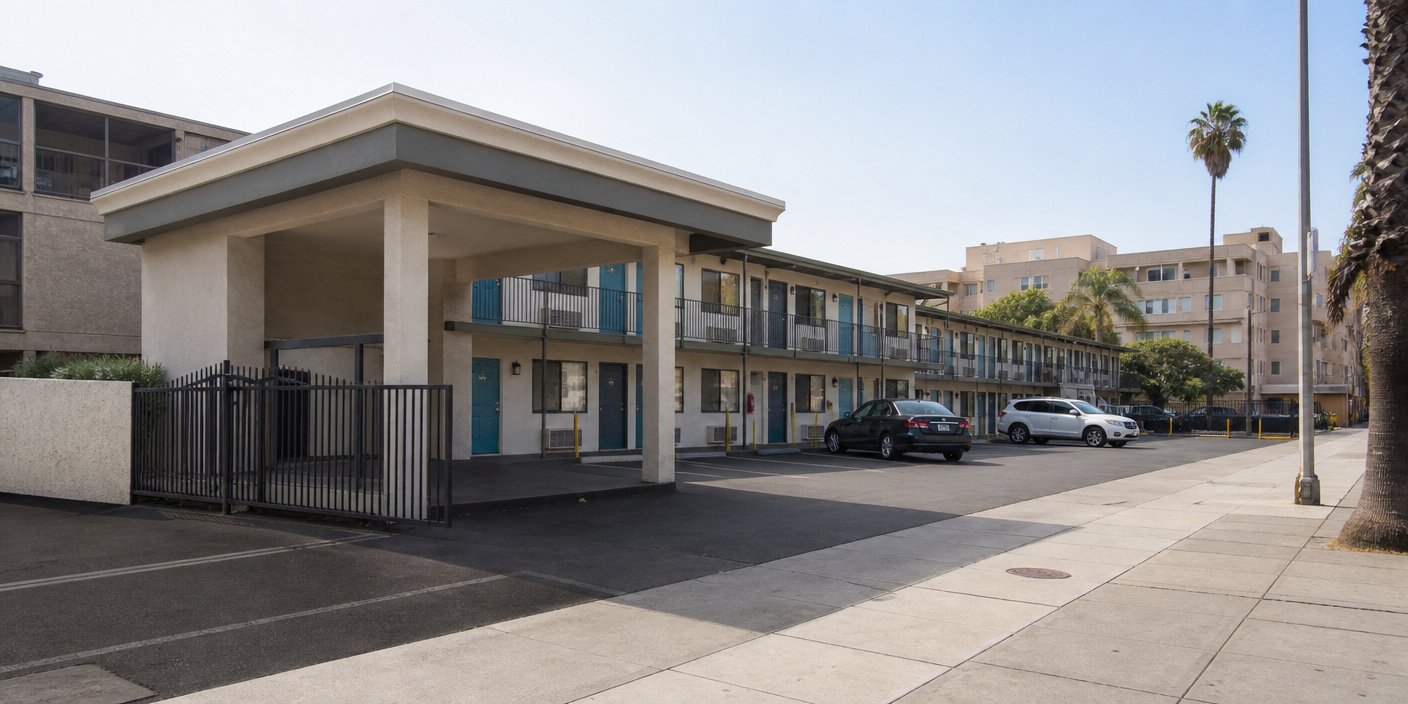
The fundamental premise of Inside Safe is distinct from previous mayoral strategies, such as the Garcetti administration’s ‘A Bridge Home.’ Instead of relying on large-scale, congregate shelters, Bass’s program utilizes the hospitality sector, leasing motel rooms across Los Angeles. The primary appeal was speed and dignity; supporters argue that individual rooms provide a safer, more stable environment for vulnerable populations, particularly those with pets or partners, which often prevented them from accessing traditional shelter systems.
However, the operational reality has proven far more complex than the theory. The strategy requires three distinct, high-functioning components: immediate removal from the street, interim stabilization, and a rapid, seamless handoff to permanent housing. It is in the third component where the system faces its greatest failure. The city’s permanent housing stock remains constrained by high construction costs, bureaucratic delays in zoning, and a lack of landlord participation in voucher programs. As a result, the ‘interim’ motel rooms are increasingly becoming semi-permanent, effectively clogging the pipeline and preventing the program from expanding to new encampment sites at the speed the Mayor originally promised.
The Auditor’s Challenge: Kenneth Mejia’s Critique
Los Angeles City Controller Kenneth Mejia has been the most prominent voice questioning the fiscal efficiency of the program. Mejia’s office has consistently pushed for granular data, demanding to know exactly how many individuals have successfully transitioned from an Inside Safe motel room to a permanent unit. The findings have been sobering. For many, the motel stay is not a bridge, but an end-point, as the city struggles to find affordable, permanent units for thousands of participants.
Critics point out that the daily cost of motel leasing is prohibitively expensive compared to the long-term cost of permanent supportive housing (PSH). While the Mayor’s office defends the expenditure as a necessary emergency response—arguing that inaction on the streets carries its own human and public safety costs—the Controller’s office suggests that without a clear exit strategy for participants, the budget for Inside Safe could balloon to a point that threatens other critical city services. This creates a zero-sum political dynamic, where homeless funding is pitted against public infrastructure and safety budgets.
The Missing Link: Permanent Housing Constraints
Even with an unlimited budget, the city would face the structural issue of physical housing supply. Los Angeles continues to suffer from a lack of low-income units. Inside Safe participants are often competing with the general low-income population for the same limited pool of apartments. Furthermore, many participants require on-site case management and mental health support, which are not standard in every apartment building.
This highlights the secondary angle of mental health integration. Many of those residing in Inside Safe motels struggle with substance abuse or severe mental health conditions. Critics argue that the current program design lacks the robust, on-site, 24/7 care necessary to stabilize these individuals, leading to ‘graduation’ failure rates that are higher than desired. Without a stronger focus on the human service side of the equation—and not just the physical housing side—the program risks recycling individuals between the street and the motel without ever achieving meaningful long-term independence.
Economic and Social Implications
There is also the economic impact on neighborhoods. While many residents applaud the removal of encampments from their streets, the displaced populations often move to neighboring blocks, creating a game of ‘whack-a-mole.’ Furthermore, the reliance on motel owners has sparked concerns about the gentrification of these facilities and their removal from the tourism or long-term rental market, effectively tightening the overall housing market further.
As the city looks toward the 2028 Olympics, the pressure to demonstrate progress on the homelessness crisis is immense. This political imperative may be driving the emphasis on the visibility of ‘Inside Safe’—clearing streets—over the deeper, less visible, and much slower work of building permanent infrastructure. The long-term success of Mayor Bass’s record will ultimately be judged not on how many tents were removed, but on how many people were truly, permanently housed.
FAQ: People Also Ask
1. What exactly is ‘Inside Safe’ and how does it differ from shelters?
Inside Safe is Mayor Karen Bass’s initiative that moves homeless individuals from encampments into motels and hotels rather than congregate shelters. It focuses on individual rooms to provide more privacy and autonomy to participants.
2. Is Inside Safe considered a failure?
It is debated. While it has successfully brought thousands off the streets, critics, including the City Controller, argue it is too expensive and lacks a robust, efficient ‘exit’ or permanent housing pipeline for those it houses.
3. How much has the city spent on the Inside Safe program?
Funding for the program is in the hundreds of millions. Exact, updated figures vary by fiscal cycle, but it represents one of the largest single budgetary commitments in the city’s homelessness efforts.
4. Does the program address mental health and addiction?
This is a point of contention. While support services are intended to be part of the model, critics argue that the current funding and staffing levels do not provide the level of clinical care needed for the most vulnerable participants to achieve long-term stability.
5. Why are people still living on the streets if the program exists?
Because the capacity of the program is limited by both budget and the availability of motel space. Additionally, not all unhoused individuals choose to participate due to restrictive rules or personal choice, and the turnover rate from interim to permanent housing is too slow to free up space for new participants quickly.