
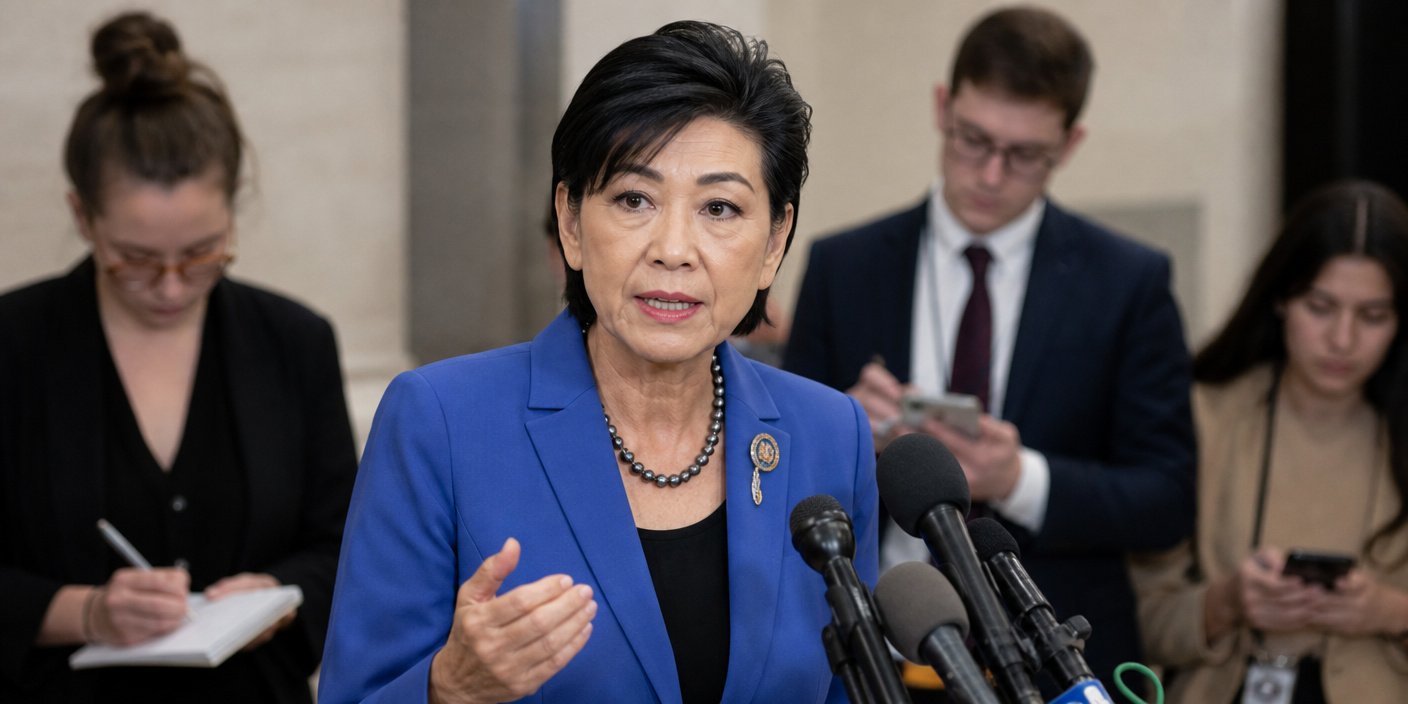
Representative Judy Chu (CA-28) and a bipartisan coalition of California lawmakers have launched a concerted effort to pressure FEMA Administrator Cameron Hamilton to reverse the agency’s recent denial of $6.57 million in disaster case management (DCM) funding. The financial package is specifically earmarked for survivors of the devastating 2025 Eaton and Palisades fires, a region still struggling with the long-term aftermath of the disaster. With the program’s funding authority scheduled to expire on September 30, the legislative push is characterized by both urgency and frustration regarding the bureaucratic hurdles preventing critical relief from reaching constituents.
The Critical Necessity of Disaster Case Management
Disaster Case Management is not merely a bureaucratic line item; it is often the single most important resource for fire survivors attempting to navigate the complex, often impenetrable landscape of post-disaster recovery. While immediate emergency funding is designed to provide short-term shelter and sustenance, DCM programs are specifically engineered to provide long-term, individualized support. This includes helping families navigate complex insurance claims, securing construction permits, managing mental health referrals, and ensuring that elderly or vulnerable residents do not fall through the cracks of the recovery process.
The denial of the $6.57 million package has effectively stranded hundreds of families who, months after the Eaton and Palisades fires, remain in transitional housing or temporary rentals. According to the coalition, the rejection of this funding threatens to halt ongoing recovery efforts, potentially displacing families who have been counting on dedicated case managers to help them rebuild their lives.
The Bureaucratic Stalemate
FEMA’s initial denial of the funding request reportedly cited internal procedural guidelines and budget constraints. However, Rep. Chu and her colleagues argue that these rigid interpretations fail to account for the unique, compounding complexities of the Eaton and Palisades disasters. The coalition’s letter to Administrator Hamilton emphasizes that the severity and scope of these fires created a “worst-case scenario” for residents, requiring an exception to standard operational constraints.
“The human cost of this denial is quantifiable,” stated the coalition in a recent briefing. The lawmakers contend that by denying this funding, FEMA is effectively prioritizing administrative adherence over the tangible welfare of survivors. The group is demanding an immediate review of the case, arguing that the $6.57 million figure is not an arbitrary request but a calculated sum necessary to close the gap in unmet needs for the survivors of these specific geographic zones.
The September 30 Deadline: A Race Against Time
The primary concern fueling this push is the impending expiration of the disaster case management program on September 30. If the reversal is not secured before this date, the administrative mechanism required to deploy these funds will dissolve. This creates a “cliff” effect: even if FEMA were to approve the funding after the deadline, the legislative vehicle for disbursement would no longer be active, potentially delaying assistance by months or rendering it entirely inaccessible.
This deadline places immense pressure on Administrator Hamilton’s office to expedite the reconsideration process. For the survivors, the date represents more than a fiscal cutoff; it is the final window for the government to fulfill its commitment to the community’s restoration. Legislative aides monitoring the situation note that while reversals of this nature are rare, the unified front presented by the California delegation creates significant political visibility for the issue, potentially forcing a high-level intervention from the White House.
Looking Ahead: The Precedent for Future Disasters
The outcome of this conflict will likely set a precedent for how future wildfire recovery efforts are handled in California and beyond. As climate patterns continue to intensify fire seasons, the debate over FEMA’s role in providing long-term case management—as opposed to just immediate relief—is becoming a cornerstone of disaster policy reform. If Chu’s coalition is successful, it could signal a shift toward more flexible, survivor-centric funding models. If they fail, the reliance on, and limitations of, federal disaster aid will undoubtedly become a central issue in the next congressional oversight hearings.