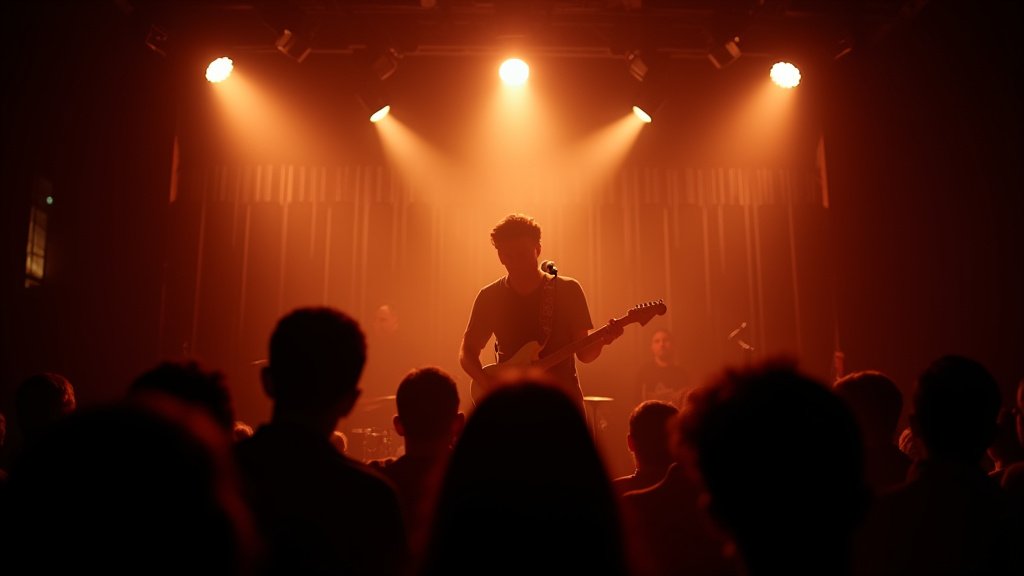
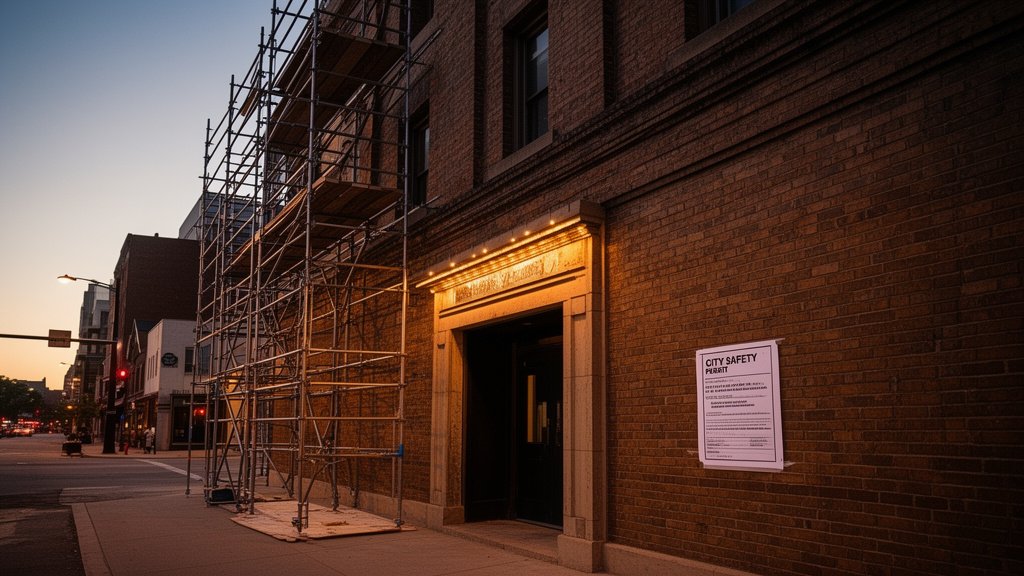
In a decisive move to revitalize local nightlife and streamline municipal bureaucracy, a key City Council committee has officially backed a new policy designed to grant a second chance to entertainment venues previously barred from licensure due to past code violations. The legislation, which addresses long-standing complaints from local business owners, creates a structured, transparent pathway for venues to secure necessary permits, provided they meet rigorous new safety standards and commit to a verifiable remediation schedule. This pivot represents a significant departure from the ‘zero-tolerance’ enforcement models that have historically left many venues in a state of suspended animation, unable to operate legally yet unable to afford the massive capital improvements required to meet modern building codes.
Key Highlights
- Structured Remediation: Venues are granted a conditional path to licensure by agreeing to specific, binding safety upgrades and compliance milestones overseen by the city.
- Addressing Legacy Hurdles: The policy specifically targets ‘legacy’ violations, acknowledging that many older buildings struggle to meet current, stringent fire and structural codes without financial assistance or a phased compliance approach.
- Economic Revival: City officials project that normalizing the status of these venues will stimulate the local economy, creating jobs and increasing tax revenue by bringing long-shuttered or under-utilized spaces back into the legal market.
- Safety-First Mandate: Despite the leniency regarding past errors, the policy reinforces that public safety is the non-negotiable priority, requiring venues to pass rigorous inspections before full permits are granted.
Navigating the New Regulatory Landscape
For years, the intersection of city municipal codes and the entertainment industry has been a flashpoint for tension. Business owners have frequently argued that the permit application process is not merely difficult, but effectively impossible, as minor, decades-old code violations—often dating back to previous ownership—have acted as an impenetrable wall to acquiring modern entertainment permits.
The Anatomy of the ‘Second Chance’ Mechanism
The newly backed policy functions as a ‘conditional clearance’ system. Rather than rejecting applications outright based on a venue’s historical compliance record, the city will now perform a diagnostic audit of the existing violations. If a venue owner demonstrates a legitimate plan to correct these issues, they can be issued a probationary permit. This allows the business to operate while performing the necessary physical upgrades. The criteria for entry into this program are strict: owners must submit comprehensive documentation, including detailed contractor bids for the remediation and a signed affidavit accepting liability for any safety-related incidents during the transition period.
Balancing Bureaucracy and Safety
Critics of previous policies often cited ‘bureaucratic drift’ as the primary reason for the stagnation of entertainment districts. The city’s Licensing Bureau was often required to reject applications due to rigid, outdated statutes. This new policy bridges the gap by allowing the Fire Marshal’s Office and the City Zoning Board to issue interim compliance certifications. By shifting the focus from ‘punishment for past errors’ to ‘incentivizing current compliance,’ the city hopes to modernize the safety standards of the nightlife sector without forcing the closure of beloved, albeit older, establishments.
The Economic Ripple Effect
The implications of this policy extend far beyond the venues themselves. Local business associations, including the Nightlife Industry Association, have lauded the move, noting that a single venue’s inability to operate affects the entire surrounding ecosystem. When a venue is shuttered or restricted, foot traffic decreases, neighboring restaurants lose patrons, and overall street-level safety often declines due to reduced activity. By providing this pathway, the city is effectively investing in the infrastructure of its entertainment districts, ensuring that venues are not just open, but safe and compliant with 21st-century standards.
FAQ: People Also Ask
1. Does this policy waive past code violations?
No. This policy does not erase historical violations; rather, it allows venues to operate while they actively work toward correcting them under a city-approved remediation plan. The violations must still be addressed to achieve permanent, unrestricted licensure.
2. Are all types of venues eligible for this program?
Eligibility is contingent upon the nature of the previous violations. If the violations are deemed ‘life-safety critical’ (e.g., structural failure, missing fire suppression systems), the venue must address these immediately before any conditional permit can be issued. The policy focuses on ‘legacy’ or administrative code issues.
3. Who will oversee the compliance schedule for these businesses?
Oversight will be a collaborative effort between the Municipal Licensing Bureau, the Fire Marshal’s Office, and the Department of Buildings, ensuring that all safety milestones are met within the agreed-upon timeframe.
4. How does this impact public safety?
Public safety remains the paramount priority. The policy requires all participants to adhere to current, updated codes, effectively forcing businesses that were previously ‘grandfathered’ in under unsafe conditions to upgrade their facilities to modern standards as a condition of their new permit.