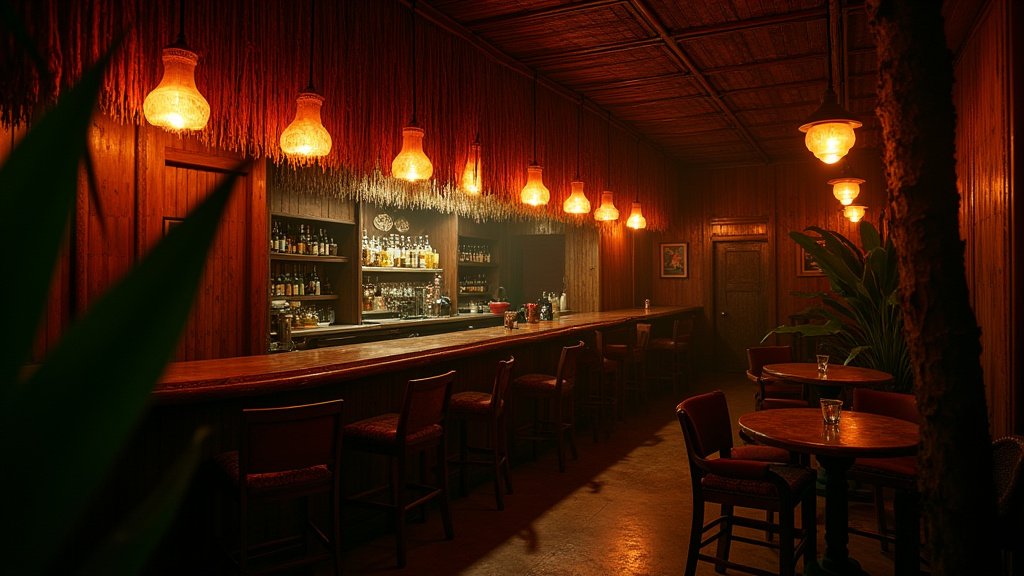
In 1933, as Prohibition crumbled, the American landscape was desperate for escapism. While mainstream nightlife struggled to find its footing, a former bootlegger named Ernest Raymond Beaumont Gantt—later known as Donn the Beachcomber—opened a tiny, nondescript bar at 1722 N. McCadden Place in Hollywood. He didn’t just open a tavern; he inadvertently launched a cultural juggernaut that would define global cocktail culture for nearly a century. With the release of the revealing documentary ‘The Donn of Tiki,’ the industry is finally reckoning with the complex legacy of the man who turned Polynesian kitsch into a lucrative, intoxicating empire.
Key Highlights
- The Prohibition Pivot: Donn the Beachcomber opened his flagship Hollywood location in 1933, utilizing the skills (and supply chains) honed during the bootlegging era to pivot into the legalized alcohol market.
- The Tiki Genesis: Gantt wasn’t just a bartender; he was an innovator who pioneered the use of fresh juices, falernum, and specific rum blends, creating the template for the modern craft cocktail movement.
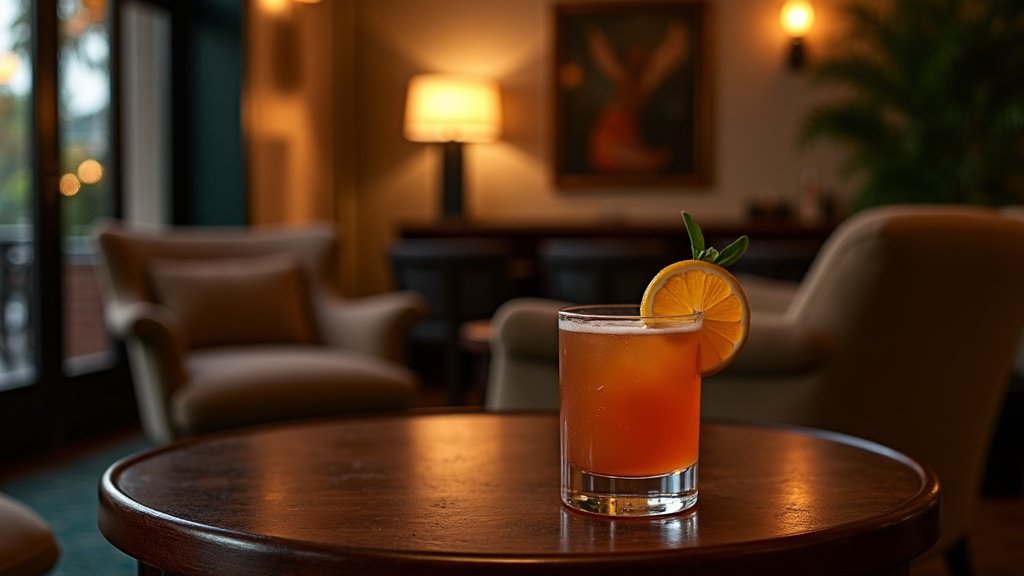
- The ‘Zombie’ Factor: His most famous creation, the ‘Zombie’ cocktail, became a global sensation, essentially acting as the viral marketing engine of the 1930s nightlife scene.
- The Documentary Lens: The new film ‘The Donn of Tiki’ explores how Gantt’s ‘schemer’ instincts allowed him to outmaneuver competitors, including the legendary rivalry with Victor Bergeron of Trader Vic’s.
The Architecture of Escape: A Bootlegger’s Masterstroke
The narrative surrounding Donn the Beachcomber is often clouded by the romanticism of the Tiki aesthetic—bamboo, palm fronds, and glowing pufferfish lamps. However, the origin story is significantly grittier. Ernest Gantt, a traveler who spent years roaming the South Pacific, returned to a depression-era United States with little more than a collection of sea glass, driftwood, and a deep understanding of the rum trade.
The 1933 Shift
When he set up shop in Hollywood, the ‘Don’s Beachcomber Cafe’ was an antithesis to the chrome-and-steel modernism of the era. It was dark, claustrophobic, and intentionally disorienting. By obscuring the outside world, Gantt created an early form of ‘experiential retail.’ Patrons, exhausted by the financial anxieties of the Great Depression, were happy to trade their nickels for a potent, rum-soaked narrative of island life. The bootlegging background of the founder was crucial here; he knew exactly how to source high-quality Caribbean rums when many competitors were struggling with the quality of post-repeal spirits.
The Rivalry That Built an Industry
Perhaps the most compelling secondary angle in the history of Tiki is the intellectual property war between Donn and Victor Bergeron (Trader Vic). The documentary ‘The Donn of Tiki’ highlights how Bergeron—who initially visited Donn’s Hollywood bar—essentially reverse-engineered the entire Tiki concept. This rivalry forced both men to innovate aggressively. While Donn focused on the atmospheric, secretive nature of the ‘speakeasy’ style, Vic expanded into a franchise model. This clash of philosophies is what allowed Tiki to evolve from a single Hollywood storefront into a nationwide phenomenon that spanned hundreds of locations by the 1950s.
The Science of the Cocktail
It is impossible to discuss Tiki without addressing the chemistry. Before the advent of the modern ‘mixology’ movement, cocktails were often simplistic affairs. Gantt introduced a level of complexity that was unprecedented. By incorporating fresh lime, grapefruit, and cinnamon-infused syrups into high-proof rum blends, he created a drink profile that masked the strength of the alcohol while providing a tropical flavor complexity. The ‘Zombie’—limited to two per customer at the original Hollywood location—was a brilliant psychological marketing move. It created scarcity, prestige, and a sense of danger that kept the bar packed seven nights a week.
Cultural Appropriation vs. Cultural Appreciation
Modern scholarship surrounding Tiki has forced a necessary, uncomfortable conversation about the fetishization of Polynesian culture. ‘The Donn of Tiki’ documentary does not shy away from the fact that Gantt was a ‘schemer’ in every sense of the word. He was selling a fantasy, one that relied on the exoticization of cultures that he himself had only visited as a tourist.
The Economic Reality
Despite these ethical debates, the economic impact of the Tiki movement remains staggering. At its peak, the Tiki bar industry served as a massive revenue generator for the liquor industry. Even today, the ‘Tiki aesthetic’ is being revived by craft cocktail bars in cities like New York, London, and Tokyo. The documentary highlights that this isn’t just about nostalgia; it’s about the durability of the ‘escapism’ business model. Whenever the global economy falters, the Tiki bar—a small, dark room where the outside world ceases to exist—tends to thrive. It is a proven, recession-resistant concept.
Predicting the Future of the Movement
As we look toward the future, the Tiki movement is undergoing a ‘decolonization’ of sorts. Modern bar owners are increasingly focused on highlighting the Caribbean and Pacific Islander roots of the ingredients, while stepping away from the caricatured kitsch of the mid-20th century. However, the core ‘Donn’ principle remains: the customer is paying for an environment that transports them, not just a drink. The legacy of the tiny Hollywood bar on McCadden Place is not the kitsch, but the methodology of atmospheric immersion.
FAQ: People Also Ask
Q: Was Donn the Beachcomber actually a bootlegger?
A: While largely part of the ‘Tiki lore,’ most historical accounts and the documentary ‘The Donn of Tiki’ suggest he was deeply involved in the illicit alcohol trade during the tail end of Prohibition, which gave him the necessary supply chain connections and knowledge to source premium rums for his bar in 1933.
Q: What is the significance of the documentary ‘The Donn of Tiki’?
A: It serves as a definitive historical deep dive, separating the myth of Ernest Gantt from the man himself, while documenting his intense professional rivalry with Trader Vic and his impact on modern cocktail culture.
Q: Why was the ‘Zombie’ cocktail limited to two per person?
A: It was a strategic move by Donn the Beachcomber. By limiting the drink to two, he enhanced its reputation for potency and exclusivity, creating a ‘dangerous’ allure that served as free marketing for the bar.
Q: Is the original Donn the Beachcomber location still open?
A: No, the original Hollywood location on McCadden Place closed decades ago. However, the brand and the spirit of the bar continue to live on through various revivals and the enduring influence of the tiki bar aesthetic.