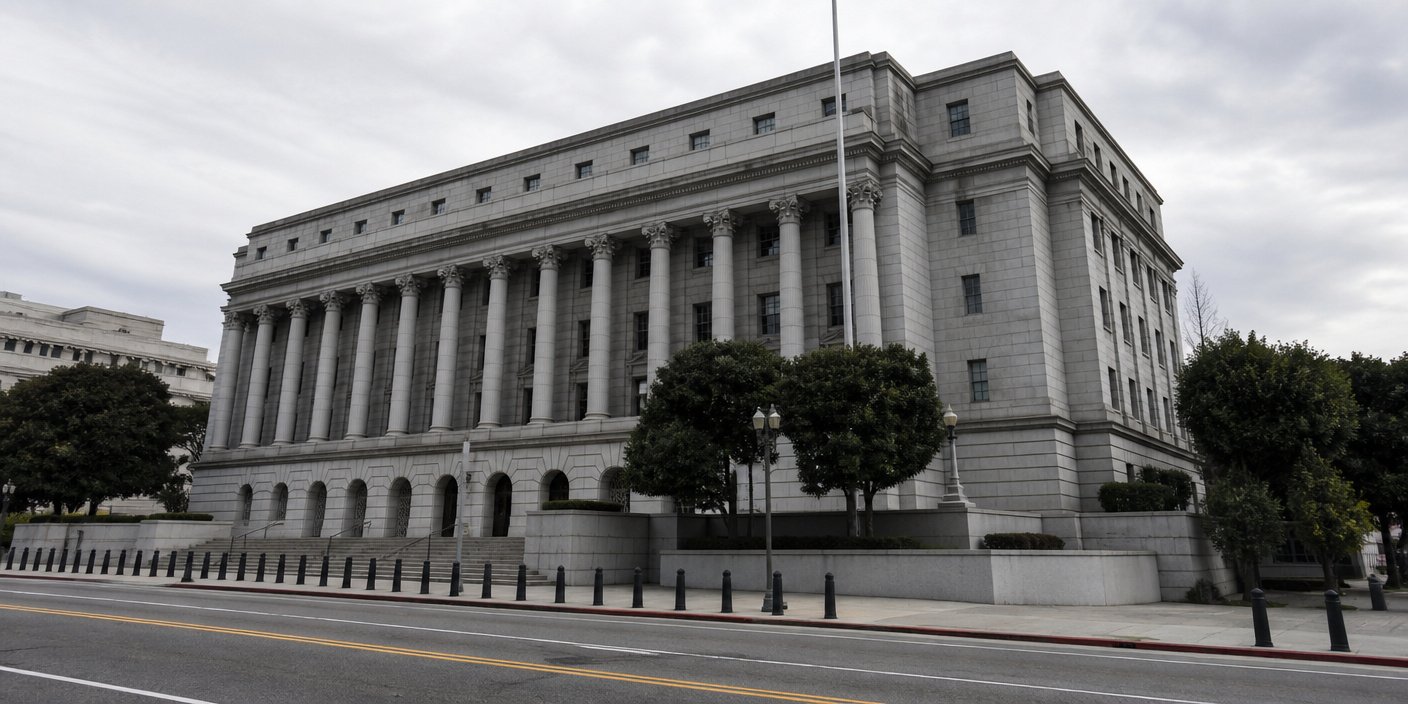
David Anthony Burke, the viral indie-pop sensation known to millions by his stage name D4vd, appeared in a Los Angeles Superior Courtroom today, August 31, 2026, marking a somber transition from chart-topping artist to the defendant in a high-stakes capital criminal case. The arraignment, which drew significant media attention to the downtown Los Angeles courthouse, officially sets in motion a legal process that could redefine the trajectory of the young artist’s life and career. Prosecutors have formally presented charges connected to the death of 14-year-old Celeste Rivas Hernandez, alleging a complex and troubling sequence of events involving an illicit relationship that culminated in the violent loss of the teenager’s life.
The Arraignment Proceedings and Legal Standing
The atmosphere inside the courtroom was described as tense, with Burke, dressed in standard judicial attire, facing a judge to enter a plea regarding the grave allegations brought against him. The arraignment represents the first formal stage of the prosecution, where the specific charges—ranging from murder to potential special circumstances based on the victim’s age and the nature of the relationship—were read into the record. Legal analysts observing the proceedings noted the gravity of the charges, which carry severe sentencing implications within the California judicial system. As the court processes the initial filings, the primary focus remains on the adherence to the 90-day trial schedule, a timeline that underscores the urgency and the perceived strength of the evidence held by the Los Angeles District Attorney’s office.
Nature of the Allegations
At the heart of this case is the tragic death of Celeste Rivas Hernandez, a minor whose life ended under circumstances that prosecutors allege are inextricably linked to her relationship with Burke. According to documents presented at the arraignment, the prosecution intends to present evidence detailing a sexual relationship that allegedly occurred prior to the criminal incident. The interplay between these allegations and the subsequent charge of murder suggests a prosecution strategy that will likely focus on premeditation and the exploitation of a minor. The emotional weight of these details has resonated deeply with the public, shifting the conversation around D4vd from his musical output—characterized by bedroom-pop melodies and emotional vulnerability—to the harsh reality of criminal liability. The evidentiary burden will now rest on proving not only the act of the killing but the context surrounding the victim’s presence in the defendant’s orbit.
The Legal Timeline: A 90-Day Sprint
One of the most notable aspects of this case is the accelerated trial timeline. The court has signaled that the trial is expected to commence within 90 days, a pace that is considerably faster than the average duration for complex felony cases in Los Angeles County. This timeline suggests that both the defense and prosecution have been preparing for this juncture for some time, likely engaging in significant pre-trial discovery. For the defendant, this short window poses a substantial challenge: his legal team must quickly digest the prosecution’s evidence, which may include digital forensics, text communications, and medical records, to construct a defense. The fast-tracked nature of the proceedings also limits the opportunities for procedural delays, ensuring that the case will remain at the forefront of the news cycle until a verdict is rendered.
Impact on the Music Industry and Digital Legacy
Beyond the courtroom, the case of D4vd serves as a stark inflection point for the modern music industry, particularly for artists who rise through digital platforms like TikTok and SoundCloud. Burke’s rapid ascent—from a bedroom artist to a globally recognized singer—mirrors the democratization of fame in the 2020s. However, this case highlights the lack of institutional guardrails for young creators who find themselves thrust into the spotlight without traditional management structures. Industry observers are now questioning how labels and platforms manage the personal lives of their rapidly rising talent. Furthermore, the public’s relationship with D4vd’s discography has already begun to shift; streaming services and fans are grappling with the ethical implications of continuing to consume art created by someone now accused of such heinous acts, a phenomenon that has become increasingly common in the modern era of “cancel culture” and moral accountability.
The Intersection of Public Interest and Privacy
The public interest in this case is fueled by the collision of celebrity status and severe criminal allegations. While D4vd gained fame for his introspective lyrics, the current scrutiny is entirely devoid of the creative glamour that previously defined his public persona. The Los Angeles courts are now the stage, and the language is that of legal codes and statutes rather than chords and melodies. The case has also ignited broader discussions about the safety of minors in the age of digital parasocial relationships, where the barrier between idols and fans can be dangerously thin. As the trial approaches, the court of public opinion will likely continue to weigh in, but the final determination of guilt will depend exclusively on the facts presented within the formal legal framework, far removed from the streaming algorithms that facilitated Burke’s rise.