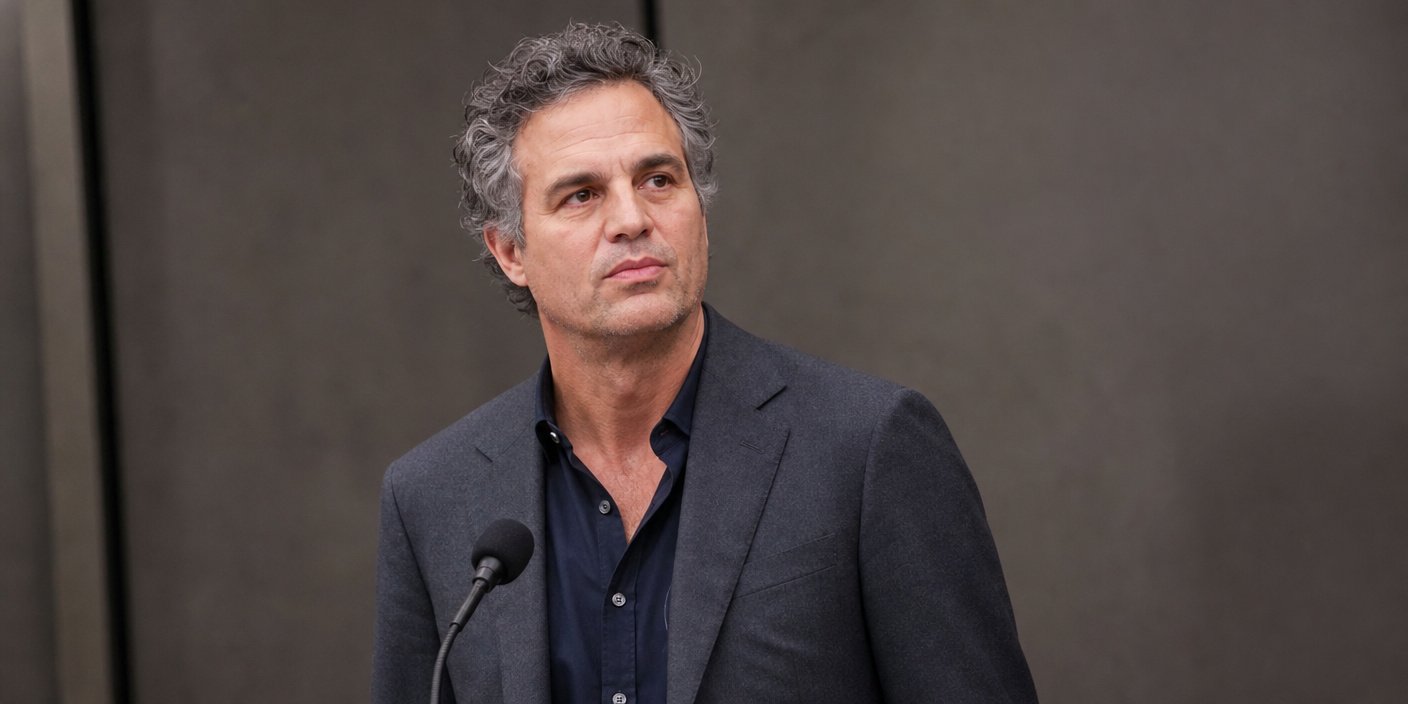
Paramount Global has issued a stern, public rebuke of actor and activist Mark Ruffalo following his vocal opposition to the studio’s ongoing merger efforts, describing his recent criticisms as a ‘bridge too far.’ The escalation marks a rare, high-profile clash between a major Hollywood studio and a prominent creative force, highlighting deep-seated anxieties within the industry regarding the rapid pace of corporate consolidation. Ruffalo, who has been a frequent critic of studio power dynamics and a vocal supporter of recent labor movements, allegedly crossed a line in the eyes of Paramount leadership, sparking a debate over the limits of celebrity influence in boardroom decisions.
Key Highlights
- Paramount Global leadership characterized Mark Ruffalo’s recent public statements concerning their strategic corporate merger as a ‘bridge too far,’ signaling an unusual level of friction between the studio and the A-list actor.
- The conflict centers on the ongoing negotiations and restructuring involving Skydance Media, a transaction that has faced broad industry skepticism.
- Ruffalo’s comments reflect a growing trend of high-profile actors using their platforms to challenge corporate consolidation, citing potential threats to creative autonomy and labor stability.
- This clash underscores the volatility of the current entertainment landscape, where the lines between creative talent and executive decision-making are increasingly blurred.
- Industry analysts are closely watching the fallout, as this exchange may set a precedent for how studios interact with talent-led critiques moving forward.
The Anatomy of the Conflict: Art vs. Corporate Consolidation
The tension between Mark Ruffalo and Paramount Global is not merely a celebrity disagreement; it is a microcosm of the structural shift currently redefining the entertainment industry. At the heart of the dispute is the proposed merger between Paramount Global and Skydance Media, a deal that has been subject to intense scrutiny from shareholders, creatives, and market analysts alike. When Ruffalo—known for his advocacy during the 2023 SAG-AFTRA strikes—publicly questioned the strategic direction of the merger, Paramount’s response was swift and uncompromising.
The ‘Bridge Too Far’ Narrative
By framing Ruffalo’s critique as a ‘bridge too far,’ Paramount is signaling that they view the actor’s comments not as constructive industry debate, but as an interference with private corporate governance. Executives within the studio are reportedly frustrated that public figures, who benefit from studio distribution and funding, are influencing the narrative surrounding multibillion-dollar transactions. This specific phrase—’bridge too far’—suggests that the studio believes Ruffalo has exceeded the reasonable scope of artistic critique, infringing upon the operational sovereignty of the boardroom.
The Skydance Media Context
To understand why the criticism hit a nerve, one must look at the deal itself. Skydance Media’s proposal to acquire Paramount involves complex equity swaps and restructuring that have raised concerns regarding the dilution of creative power. Ruffalo, aligned with a faction of Hollywood creatives, argues that consolidation inevitably leads to cost-cutting, reduced risk-taking in original programming, and a homogenization of content. Paramount, conversely, views the merger as a vital necessity to remain competitive in a streaming-dominated economy against tech giants like Amazon and Apple.
The Power of the A-List Platform
Mark Ruffalo represents a powerful class of celebrity: the ‘activist-artist.’ His involvement in the 2023 labor negotiations demonstrated that modern stars are no longer content to remain siloed from the business side of filmmaking. When a personality of his stature calls out a corporate strategy, it travels significantly faster and wider than any shareholder report or analyst note. Paramount’s decision to call him out by name—or at least target his specific comments—is an attempt to reclaim the narrative and assert that business strategy is the domain of executives, not actors.
Future Implications for Industry Discourse
This confrontation sets a precedent that will likely make other stars hesitant to speak out against their own studios, or conversely, it may embolden a new wave of ‘creative activism.’ If talent feels that speaking on corporate governance will lead to retaliation, we may see a more polarized industry. If actors double down, studios may need to rethink their PR and internal communications strategies. The industry is currently watching to see if this serves as a warning to other outspoken figures or if it merely fuels a larger conversation about the responsibility of creators in the era of mega-mergers.
FAQ: People Also Ask
Why did Paramount single out Mark Ruffalo?
Paramount’s response was driven by the visibility of Ruffalo’s platform. Because he is a highly respected figure who previously led advocacy efforts for labor unions, his critique carries significant weight. The studio likely felt that his comments could sway public or shareholder perception of the Skydance merger at a critical juncture.
What is the specific merger causing the tension?
The conflict stems from the proposed merger involving Paramount Global and Skydance Media, led by David Ellison. This deal involves significant structural changes to the legacy studio, which has prompted fears among creatives regarding the future of auteur-driven filmmaking and labor protections.
Is it common for studios to criticize actors publicly?
It is historically rare for a major studio to openly ‘slam’ or reprimand an A-list actor. Studios usually prefer to handle such disagreements privately to maintain positive working relationships. This public exchange indicates a high level of stress and desperation within the current corporate negotiations.
Does this affect future casting for Paramount projects?
While there has been no official word on contractual repercussions, industry observers note that such public spats can create ‘chilling effects.’ Both parties may become more cautious about future collaborations, though the professional nature of Hollywood often favors financial interests over personal disagreements.
What are the broader economic concerns mentioned by critics like Ruffalo?
Critics of the merger fear that consolidation reduces competition. The economic argument is that when fewer studios control the pipeline, there is less competitive bidding for creative projects, leading to lower wages for talent and less diversity in the types of stories produced.