
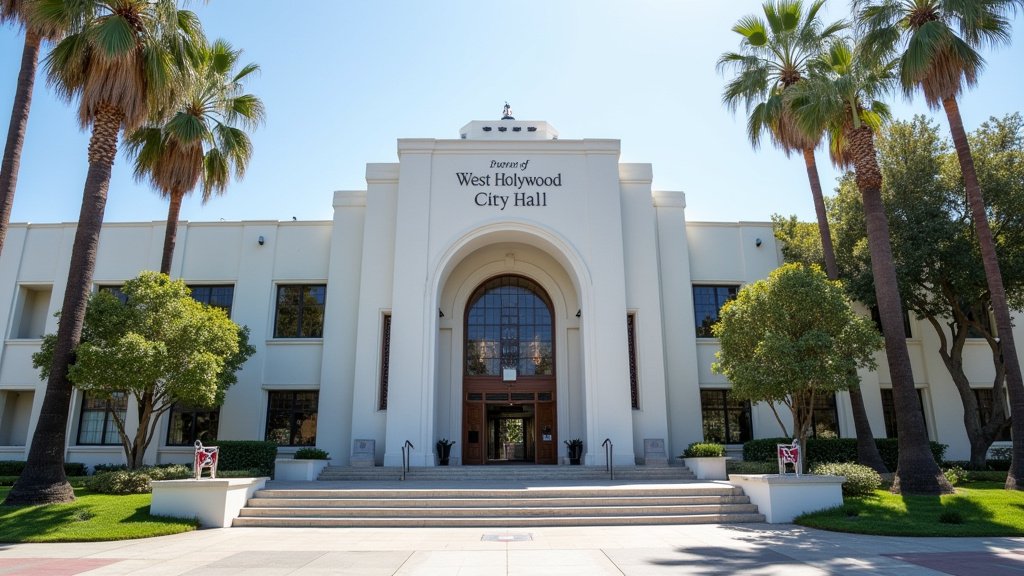
West Hollywood officials have issued a formal, unequivocal condemnation following the recent detention of a local resident by U.S. Immigration and Customs Enforcement (ICE), underscoring a deepening friction between municipal sanctuary policies and federal enforcement priorities. The incident, which has sparked immediate concern among civic leaders and local advocacy groups, serves as a flashpoint for broader debates regarding the limits of federal jurisdiction within municipalities that prioritize the protection of immigrant residents.
Key Highlights
- The City of West Hollywood officially condemned the ICE detention, citing a commitment to the safety and rights of all constituents.
- The incident raises critical questions regarding local vs. federal jurisdiction and the practical application of California’s sanctuary status laws.
- Civic leaders are urging federal authorities to prioritize transparency and respect municipal boundaries while conducting enforcement operations.
- The detention has prompted calls for enhanced community resources and legal support for residents targeted by federal enforcement.
The Clash of Jurisdiction and Municipal Values
The tension between West Hollywood’s municipal identity and federal immigration policy reached a new height this week. Following the detention of a local resident by U.S. Immigration and Customs Enforcement (ICE), the West Hollywood City Council released a statement characterizing the action not merely as a law enforcement operation, but as a challenge to the fundamental values of the city. Known for its progressive stance on civil rights and its status as a sanctuary-aligned municipality, West Hollywood has long operated under the assumption that federal authorities would respect the boundaries set by state laws, particularly the California Values Act (SB 54), which restricts local law enforcement from using public resources to assist in federal immigration enforcement.
The Impact of Federal Overreach
For the local government, the core issue is the erosion of trust between the community and the state. When federal agents operate within city limits to detain residents, it threatens the fragile stability of households that rely on municipal services. City officials argue that when residents fear federal detention, they are less likely to report crimes, seek medical attention, or participate in public life—effectively undermining the public safety goals of the city itself. This detention is viewed by the Council as a direct contradiction to the city’s proactive efforts to integrate and protect its diverse population, which includes a significant percentage of foreign-born residents who contribute to the city’s economic and cultural vibrancy.
Legal Standing and Sanctuary Protections
While the U.S. Constitution provides the federal government with broad powers regarding immigration enforcement, California law creates a significant hurdle for cooperation. The California Values Act was designed specifically to prevent local police departments from acting as an arm of ICE. However, federal authorities operate under a different legal framework. The current friction highlights a critical legal gray area: while local police cannot assist ICE, federal agents are legally permitted to conduct operations within city limits. West Hollywood’s recent statement serves as a symbolic and political assertion that despite federal mandates, the city will not normalize or facilitate these detentions. It acts as a clear signal to residents that the city administration remains committed to providing support, even if it cannot physically block federal agents from entering the jurisdiction.
Future Implications for Community Safety
The ripple effects of this incident extend beyond a single detention. Community organizations are already organizing town halls and legal clinics to advise residents on their rights, should they encounter federal agents. There is growing concern that this event signals an uptick in enforcement frequency. Economically and socially, West Hollywood is built on a diverse labor force, and the uncertainty created by federal actions threatens the continuity of local businesses and service industries. If federal enforcement becomes a consistent presence, the city may be forced to explore further protective measures, such as expanding funding for legal defense funds and community outreach programs designed to insulate residents from the sudden trauma of detention.
FAQ: People Also Ask
What does West Hollywood’s status as a ‘Sanctuary City’ actually mean in this context?
West Hollywood’s sanctuary policy generally means that the city’s resources and local law enforcement are not used for federal immigration enforcement. It does not grant legal immunity from federal agencies like ICE, which retain jurisdiction. The city’s policy is to protect the civil rights of residents by limiting local cooperation with federal efforts.
Can local West Hollywood police prevent ICE from detaining residents?
Generally, no. Under current federal law, ICE agents have the authority to operate within municipal jurisdictions. Local law enforcement is constrained by state law (like SB 54) from assisting ICE, but they cannot physically interfere with or block federal agents carrying out an arrest warrant.
What rights do residents have if approached by federal immigration agents?
Residents generally have the right to remain silent, the right to refuse a search of their home without a warrant signed by a judge, and the right to contact an attorney. City officials strongly advise that residents know their rights and seek legal counsel immediately if they are approached by law enforcement.
Is this incident likely to change local enforcement policies?
The detention has already prompted local leaders to review current protections. While they cannot override federal authority, the city is expected to increase funding for legal defense services and enhance the reach of its public information campaigns to ensure residents are better prepared for interactions with federal authorities.