As the dog days of summer settle over Southern California, the Los Angeles cultural calendar reaches a crescendo. For those navigating the sprawl, the August 2026 Los Angeles events landscape is defined by a unique mix of high-production performances, outdoor culinary showcases, and the city’s enduring commitment to public art spaces. With the thermometer climbing, the city’s programming shifts strategically toward the evening, utilizing the cooler coastal breezes that characterize the late summer season.
The Hollywood Bowl: The Summer Crown Jewel
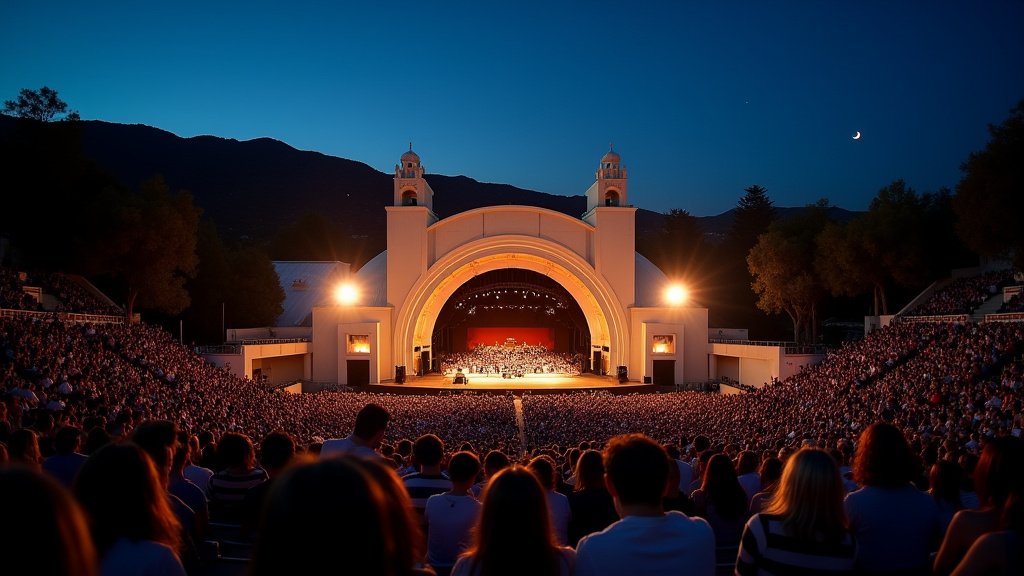
The cornerstone of any August itinerary remains the Hollywood Bowl, which in 2026 continues its tenure as the premier acoustic venue in the United States. August serves as the peak of the Los Angeles Philharmonic’s summer residency. Patrons can expect a meticulously curated series of performances ranging from Tchaikovsky spectaculars to contemporary collaborations with world-class soloists. The logistical heartbeat of the month, the Bowl, operates under a refined 2026 operational protocol, emphasizing pre-purchased parking passes and the expansion of the ‘Park and Ride’ shuttle system, which has become the de facto standard for navigating the Cahuenga Pass traffic.
Night Markets and The Urban Food Renaissance
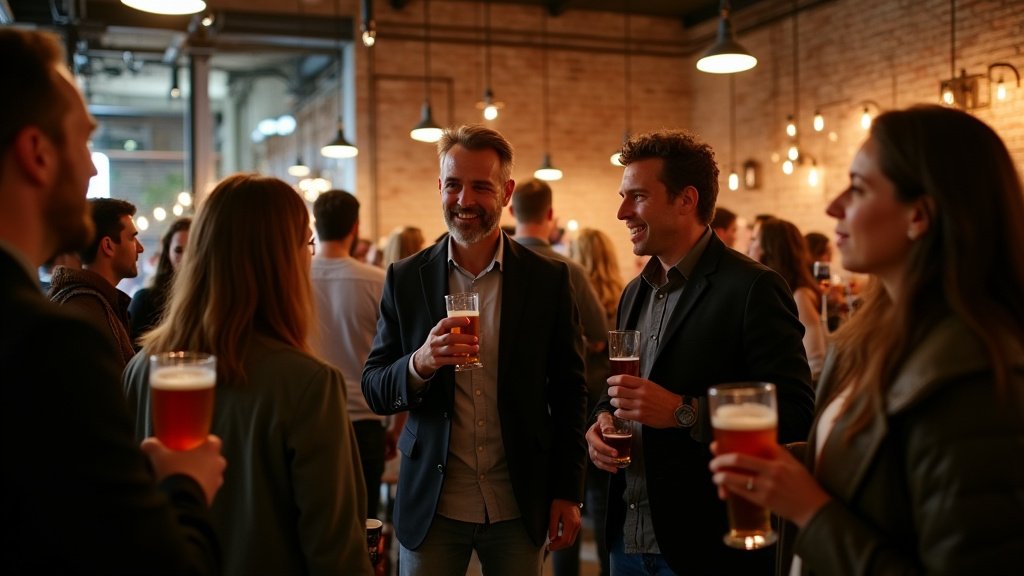
Beyond the established venues, August 2026 sees the expansion of outdoor night markets, particularly in Downtown LA and along the Arts District corridors. These events, which have evolved significantly since the early 2020s, now prioritize local vendor sustainability. The ‘Summer Nights’ series, held in Grand Park, provides a centralized hub for food trucks, live DJs, and community art installations. Unlike the decentralized events of the past, these 2026 gatherings are heavily integrated with the Metro E Line and D Line, encouraging a car-free urban experience. The influx of seasonal pop-ups near these transit hubs underscores a city-wide push to reduce the carbon footprint of massive event clusters.
Museum Programming and Cultural Access
For those seeking respite from the heat, the museum corridor—specifically the Getty Center, LACMA, and The Broad—offers extended evening hours throughout August. The Getty Center, in particular, has leaned into its historical context, providing late-summer garden tours that highlight the architectural significance of the Richard Meier-designed campus. 2026 marks a shift in institutional engagement; galleries are increasingly utilizing augmented reality (AR) exhibits to interpret their collections, allowing visitors to view the evolution of Southern California’s topography directly through mobile integration as they traverse the museum grounds.
Secondary Angle: The Economic Engine of August Tourism
The economic impact of August programming is substantial. Economists tracking the Los Angeles tourism sector estimate that August events contribute approximately $4.2 billion in direct and indirect spending to the local economy. This figure is bolstered not only by ticket sales but by the ‘hospitality halo effect,’ where dining and short-term accommodations in Hollywood, West Hollywood, and Downtown surge in occupancy rates. This creates a hyper-competitive environment for local businesses, requiring strategic pricing and capacity management that defines the modern LA service industry.
Secondary Angle: Sustainability and the Transit Shift
A pivotal development in the 2026 event season is the aggressive integration of public transit with event accessibility. As the city prepares its infrastructure for global sporting events in the coming years, August has become the testing ground for the ‘Transit First’ initiative. Major venues now require transit-validated tickets, which have reduced private vehicle congestion by an estimated 14% compared to the 2024 season. This shift represents a fundamental change in the Angelenos’ relationship with their city, trading the solitude of the private vehicle for the efficiency of the rail network.
Secondary Angle: The Historical Evolution of LA Summer Culture
Looking back, the evolution of Los Angeles’ August events reflects the city’s broader maturation. In the late 20th century, summer events were often fractured, neighborhood-centric, and decentralized. Today, the synthesis of technology and urban planning has created a cohesive, city-wide ‘grid’ of activities. The current programming at venues like the Greek Theatre and the Bowl is no longer just about entertainment; it is about identity. The city has effectively curated a month-long festival atmosphere that balances global appeal with the specific, gritty, and vibrant local culture that defines Los Angeles on the world stage.