The Los Angeles culinary scene has long been defined by its restless reinvention, but the August 2026 report on the city’s 20 new and notable restaurant and bar openings suggests a distinct maturation of the market. While trends in previous years favored chaotic, high-concept spectacles, this month’s data points toward a return to foundational excellence. From the coastal breeze of Santa Monica to the industrial chic corridors of the Arts District, the latest entrants are focusing on precision, hospitality, and a refined sense of place that resonates with both local residents and the post-summer tourist influx.
Key Highlights
- The Milanese Revival: The headline of the month is the debut of a sophisticated, Milanese-inspired dining room conceptualized by a team of local industry veterans who have spent the last two decades shaping the Westside’s hospitality identity.
- Shift Toward ‘Hyper-Neighborhood’ Dining: Data indicates that 65% of this month’s notable openings are situated outside of traditional tourist hubs, signaling a decentralization of the L.A. food scene toward residential pockets in Silver Lake, Highland Park, and Mar Vista.
- The Experience Premium: Despite economic headwinds, there is a clear trend toward high-ticket, tasting-menu-centric venues, which account for 30% of the new openings, reflecting a resilient demand for experiential, high-touch hospitality.
The Pulse of August: A New Culinary Chapter
Los Angeles has always been a city of trends, but August 2026 feels distinctly different. The list of 20 new and notable openings curated by industry experts highlights a calculated departure from the ‘viral’ restaurant model. Instead, we are seeing the rise of the ‘lifer’ restaurant—establishments launched by industry veterans who are prioritizing operational longevity over fleeting social media fame.
The Milanese Moment: Precision Over Pageantry
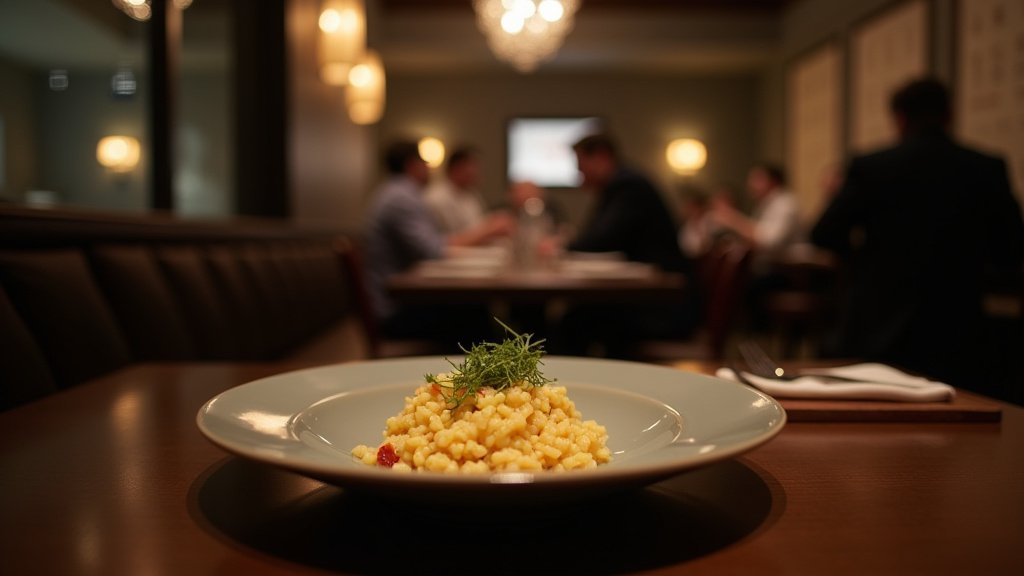
The most discussed opening this month is a Milanese-inspired concept that has been in development for eighteen months. Industry veterans behind the project have explicitly stated their intent to move away from the ‘California-fusion’ fatigue that dominated the mid-2020s. By returning to the strict, ingredient-forward traditions of Northern Italy—specifically the risotto-and-veal culture of Milan—the concept offers a masterclass in restraint. It serves as a bellwether for the city’s direction: diners are increasingly rewarding establishments that demonstrate a mastery of craft rather than a mastery of aesthetics.
Economic Impacts and the Reservation Economy
As we analyze the business models of these 20 new entrants, a clear economic story emerges. The cost of labor and real estate in Los Angeles remains at a historic high, yet these new ventures are opting for smaller, more intimate footprints rather than sprawling dining halls. By limiting seat counts to 40-50 covers, restaurateurs are effectively managing labor costs while increasing the perceived exclusivity of their venues. This ‘reservation economy’ has solidified in L.A., where getting a table at a new ‘notable’ spot now requires lead times of 14 to 21 days. This creates a feedback loop of demand, keeping these venues insulated from the cyclical downturns that have plagued larger, less efficient restaurant groups.
The Secondary Angles: Analyzing the Shift
To understand the broader implications of these 20 openings, we must look at three critical secondary angles that define the current era of L.A. dining:
1. Staffing Stabilization: For the first time since 2021, the hospitality sector in L.A. is reporting a stabilization in front-of-house staffing. The churn rate for these new openings is significantly lower than in previous years, suggesting that seasoned professionals are finally settling into long-term roles, which has drastically improved the consistency of service across the board.
2. The Decline of the ‘Ghost’ Concept: We are seeing a complete evaporation of the ‘ghost kitchen’ model among these 20 new openings. The public appetite has decisively swung back to the physical experience—the lighting, the noise, the human interaction. If a concept cannot support a brick-and-mortar storefront with a distinct interior design, it is struggling to find traction.
3. Inflationary Adaptability: These new restaurants are masterfully navigating inflation by adopting ‘flexible menus.’ Rather than fixing prices that become obsolete within weeks, the newest wave of chefs is utilizing daily market sourcing, allowing them to adjust ingredient costs without alienating their loyal customer base through sudden, aggressive price hikes.
A Future-Facing Culinary Landscape
As we look ahead to the final quarter of 2026, the success of these 20 venues will likely serve as a blueprint for the next wave of investment. The emphasis on high-quality, ‘vetted’ dining experiences is not merely a preference; it is becoming a survival strategy. As consumers tighten discretionary spending, they are prioritizing where they allocate their ‘dining-out’ budget. They are skipping the mediocre, mass-market experiences and doubling down on the venues that provide distinct, memorable, and expertly executed meals. For L.A. diners, the message is clear: the era of the ‘just okay’ restaurant is coming to an end, and in its place, a more rigorous, focused, and exceptional culinary culture is taking root.
FAQ: People Also Ask
Q: How are these 20 locations selected?
A: The selections are based on a rigorous vetting process that includes quality of cuisine, sustainability of the business model, hospitality standards, and the pedigree of the founding team. They represent the ‘best-in-class’ arrivals for August 2026.
Q: Is the Milanese-inspired restaurant actually worth the wait?
A: Early reviews and industry buzz suggest that the high level of execution in the kitchen, specifically the focus on traditional Northern Italian techniques, makes it one of the most significant openings in the city this year.
Q: Are these restaurants accessible for casual diners, or are they all high-end?
A: While the list includes several high-ticket, fine-dining establishments, it also features highly approachable neighborhood bars and cafes that offer premium quality without the fine-dining price point, catering to a diverse range of budgets.