
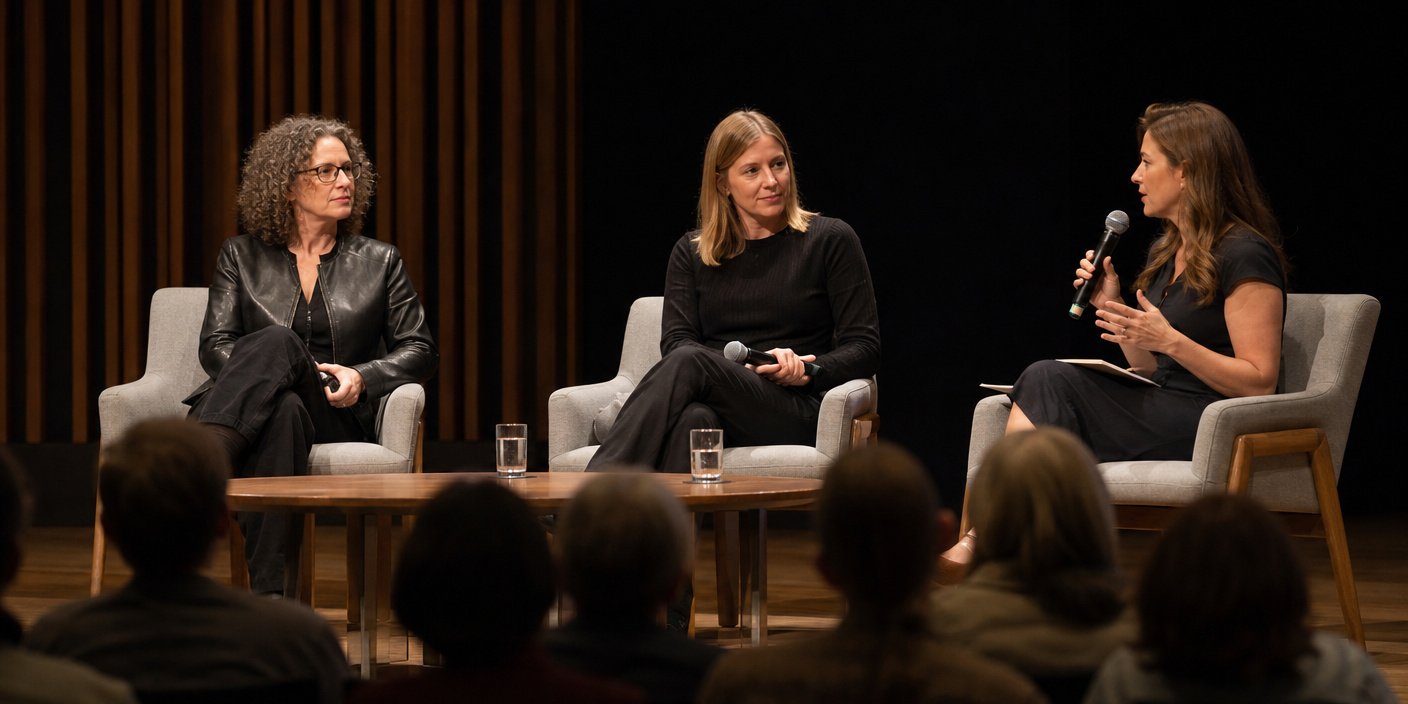
In an era characterized by rapidly shifting political landscapes and the pervasive reach of digital surveillance, the concept of ‘dissent’ has undergone a radical transformation. On July 28, the Hammer Museum hosted a pivotal event titled ‘How to Be a Dissident in an Age of Fear,’ featuring a high-caliber panel that included award-winning investigative journalist Julia Angwin and author Ami Fields-Meyer, moderated by renowned political journalist Jessica Yellin. The discussion moved beyond the abstract, offering a granular analysis of how citizens can effectively organize in the shadow of institutional autocracy and modern technological overreach.
Key Highlights
- The Surveillance Threshold: Julia Angwin highlighted the critical necessity of understanding algorithmic control and data privacy as foundational to any modern resistance movement.
- Collective Action: Ami Fields-Meyer emphasized that meaningful dissent is rarely a solitary endeavor, advocating for the rebuilding of community-based infrastructure.
- The Role of Information: Jessica Yellin underscored the danger of ‘information fatigue’ and why independent, factual reporting remains the most potent tool against polarizing autocracy.
- Practical Strategy: The panel shifted the focus from ‘awareness’ to ‘action,’ providing frameworks for organizing that bypass centralized digital surveillance systems.
The Architecture of Modern Dissent and Tactical Organization
When the Hammer Museum convened its forum on ‘How to Be a Dissident in an Age of Fear,’ the underlying premise was clear: the tools of democracy are being challenged by the tools of autocracy. For the audience at the Westwood, Los Angeles, venue, this was not merely a theoretical debate about political philosophy; it was a masterclass in the mechanics of resistance. The discussion, led by the intersectional expertise of Julia Angwin and Ami Fields-Meyer, framed dissent not as a reactive state of outrage, but as a proactive, strategic necessity.
The Digital Panopticon: Surveillance as a Political Tool
Julia Angwin, known for her rigorous investigative work into the machinery of Big Tech, set the tone by identifying a primary adversary of the modern dissident: surveillance capitalism. In the digital age, dissent is often suffocated before it begins, suppressed by predictive algorithms and data harvesting that track, map, and ultimately neutralize potential opposition. Angwin argued that to be a ‘dissident’ today requires a fundamental shift in technological literacy. It is no longer enough to be aware of the political climate; one must be aware of the digital environment in which that climate is manufactured. Her insights into how data is used to silence discourse served as a stark reminder that the battle for democracy is increasingly fought on servers and through lines of code.
Rebuilding the Bedrock of Civic Organization
Ami Fields-Meyer brought a different but complementary perspective, focusing on the psychological and social architecture of resistance. If Angwin’s focus is on the top-down pressures of autocracy, Fields-Meyer’s expertise lies in the bottom-up strength of community. He argued that the ‘Age of Fear’ thrives on atomization—keeping individuals isolated, anxious, and reactive. To combat this, he proposed that effective dissent requires a return to the fundamentals of community organizing: face-to-face trust building, local network stability, and the creation of alternative, secure communication channels that operate outside the purview of mass surveillance. He contended that the greatest threat to autocracy is not a loud voice, but a collective, organized presence that refuses to be fragmented.
Journalism in an Age of Disinformation
Moderator Jessica Yellin, utilizing her background as a veteran political correspondent and her platform as a voice of independent clarity, bridged the gap between these two themes. Yellin highlighted the role of the press not just as a watchdog, but as a provider of ‘truth-anchoring.’ In an environment where fear is manufactured through the deluge of conflicting information, the job of the dissident is to sift, verify, and communicate the truth. The panel collectively agreed that skepticism is healthy, but cynicism is fatal. The goal of authoritarian tactics is to make citizens believe that ‘truth’ is subjective, thereby rendering the concept of resistance moot. The panelists argued that persistent, factual journalism acts as a lighthouse in this fog, providing the necessary coordinates for those seeking to organize.
Analyzing the Broader Context of Resistance
To fully understand the weight of the Hammer Forum’s discussion, one must analyze the secondary angles that frame this moment in history. First, we must consider the Historical Arc of Dissent. Unlike the 20th-century movements that relied on physical gathering places and broadcast media, modern resistance is decentralized and instantaneous. However, the psychological toll—the ‘fear’ referenced in the event title—remains consistent with historical precedents. The fear of institutional retaliation, or the fear of ostracization, is a constant, yet the panel suggested that by normalizing these fears, individuals can move through them.
Second, we must examine the Economic Impact of Surveillance. Dissent is expensive. Whether it is the cost of securing private communications, the potential for career disruption due to public activism, or the sheer time-drain of countering disinformation, resistance requires resources. The forum underscored that sustainable dissent requires economic resilience—or at the very least, a clear-eyed understanding of the risks associated with modern activism.
Finally, the Future of Algorithmic Control remains the most significant variable. The panel touched upon the inevitability of AI-driven tools being used by autocracies to predict and preempt civil unrest. The prediction here is binary: either we build the digital and human infrastructure to protect our civic rights now, or we enter an era where organizing is effectively computationally impossible.
FAQ: People Also Ask
Q: What is the ‘Hammer Forum’ series?
A: The Hammer Forum is an ongoing event series hosted by the Hammer Museum in Los Angeles. It brings together leading thinkers, journalists, and activists to discuss current social, political, and cultural issues in a public, accessible format.
Q: Who were the key contributors at the July 28 event?
A: The panel featured investigative journalist Julia Angwin, author Ami Fields-Meyer, and was moderated by television journalist and political analyst Jessica Yellin.
Q: Why is ‘fear’ highlighted as the defining characteristic of this age of dissent?
A: The panelists argue that fear is used as a tool by autocratic structures to paralyze collective action. By naming it and discussing strategies to manage it, the panel aimed to empower the audience to move from a state of paralyzed anxiety to active, organized participation.
Q: Is there a video archive of this event?
A: The Hammer Museum typically archives its Hammer Forum discussions. Interested attendees should visit the official Hammer Museum website to check for recordings of the ‘How to Be a Dissident in an Age of Fear’ talk.