
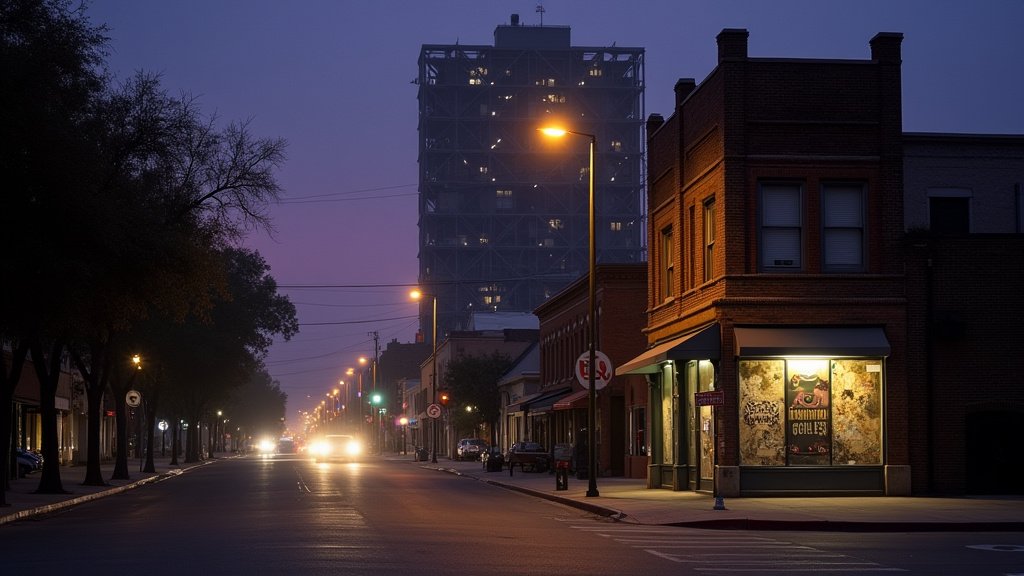
West Hollywood’s decision to approve the Bond Hotel and Residences at 7811 Santa Monica Boulevard signals a dramatic shift in urban development power dynamics, highlighting a widening rift between local municipal control and California’s state-mandated housing acceleration. The 4-1 vote, passed despite fierce public opposition, allows developer Faring to construct a seven-story mixed-use project that effectively bypasses traditional local zoning ordinances through state-level density bonus incentives. This landmark decision is not merely about a single development; it is a microcosm of the intense friction occurring across California as cities grapple with the erosion of their ability to regulate their own urban footprints in the face of a severe statewide housing crisis.
Key Highlights
- The Project Scope: The Bond Hotel and Residences will introduce a seven-story hotel and a four-story apartment building, featuring 126 residential units and 45 hotel rooms.
- State Override: The developer leveraged state housing laws, specifically density bonuses, to force approval, effectively nullifying city zoning codes that would have otherwise prevented a project of this magnitude.
- Community Impact: The development necessitates the closure of Brick Fitness, a prominent LGBTQ+-owned gym, drawing criticism from long-time residents who view it as a cultural loss.
- Governance Debate: Councilmember Lauren Meister cast the sole dissenting vote, warning that this approval sets a precedent that degrades the city’s future negotiating power.
The Erosion of Local Zoning Autonomy in West Hollywood
The approval of the Bond Hotel and Residences represents a definitive moment for West Hollywood governance. For decades, the city has prided itself on its meticulous urban planning and community-focused zoning. However, the rise of California’s state-mandated housing laws, specifically those aimed at curbing the housing crisis, has left municipal leaders with significantly reduced leverage. The Council’s 4-1 vote was not a reflection of universal support for the project’s design or community fit, but rather a recognition of legal inevitability. Mayor John Heilman and other council members explicitly stated that their hands were tied; attempting to block the project would likely have triggered litigation that the city, lacking valid grounds under current state law, would almost certainly lose.
This reality creates a challenging environment for local planning commissions. The concept of “density bonuses” allows developers to increase building size and unit count in exchange for setting aside a small percentage of housing for low-to-moderate-income tenants. While these units are essential, critics argue that the trade-off is often unbalanced, resulting in high-end, luxury-focused developments that do little to address the broader housing affordability crisis for the average resident. The Bond project, while adding 20 affordable units, remains primarily focused on high-density luxury and hospitality, which many community members argue is a poor exchange for the cultural and structural loss of the existing site.
The Cultural and Economic Cost of Displacement
Beyond the zoning debates lies the immediate, tangible impact on the community—specifically the displacement of Brick Fitness. The gym, long considered a pillar of the West Hollywood community and a safe space for its LGBTQ+ members, is now slated for closure to make room for the new structure. This serves as a stark reminder that urban redevelopment is not just an architectural exercise; it is an intrusion into the social fabric of the city. The outcry from residents who gathered at the council meeting underscores a growing resentment toward “development-first” policies that prioritize density over the preservation of existing community hubs.
Furthermore, the adjacent Fountain Day School has raised significant safety and logistical concerns regarding construction. The school’s administration has criticized the lack of communication from Faring, noting that access to a long-used parking lot was abruptly cut off without a plan for mitigation. This lack of transparency has emboldened critics who argue that Faring’s track record, which includes stalled projects at the French Market and Robertson Lane, does not warrant the trust required for such a high-impact, invasive development project.
Future Implications for Urban Development
As West Hollywood moves forward, this project will likely serve as a case study for future developments. The council, in a move to regain some control, has introduced new measures requiring developers to provide detailed disclosures of their previous projects. While this may provide better vetting for future applicants, it does not solve the fundamental issue of state preemption.
Looking ahead, the city faces a defining era. Can West Hollywood maintain its unique, village-like character while being forced to accommodate the massive, vertically-inclined density mandated by Sacramento? The Bond project suggests the answer is becoming increasingly difficult to control. We are witnessing a fundamental transformation of the Santa Monica Boulevard corridor—moving from low-rise commercial blocks to a dense, urbanized thoroughfare. While proponents point to the necessity of housing, the battle over the Bond project proves that the definition of “progress” remains deeply contested.
FAQ: People Also Ask
1. Why did the city council approve this project despite strong community opposition?
Council members were legally obligated to approve the project because it qualified for state-mandated housing density bonuses. These laws limit a city’s power to deny housing projects that include a specific allocation of affordable units, effectively preempting local zoning rules.
2. What is happening to the Brick Fitness location?
Brick Fitness, a popular local gym, will be forced to relocate to make room for the new construction. The displacement of this business has been a major point of contention for local residents who view it as a loss of a significant community and cultural anchor.
3. Will this project actually help the housing crisis in West Hollywood?
It is a subject of debate. While the project adds 126 total units—including 20 designated as affordable—critics argue that the primary focus on luxury hotel and apartment space does not sufficiently address the affordability needs of the current working-class population, calling into question whether such developments are the most effective way to solve the local housing shortage.
4. What is the developer’s track record?
Faring, the firm behind the project, has faced scrutiny from residents and the council due to other stalled projects in the city, such as the French Market and Robertson Lane. This has led the City Council to implement stricter transparency measures for future developers.