In an era defined by fleeting digital trends, one Los Angeles establishment has managed the impossible: remaining both a historical bedrock and a viral destination. Canter’s Deli, the storied 95-year-old Fairfax District institution, is currently experiencing a renaissance, finding itself firmly at the center of the Gen Z cultural zeitgeist. By blending old-world authenticity with the aesthetic hunger of a new generation, the deli has transformed from a mere late-night haunt into a cinematic backdrop for social media discovery and high-profile television productions. The sandwich counter that once served early rock legends is now a top-tier location for filming hits like ‘Euphoria,’ proving that for a brand to stay relevant, it doesn’t need to reinvent itself—it just needs to keep its doors open and the rye bread slicing.
Key Highlights
- Cultural Cross-Pollination: Canter’s has secured its status as a Gen Z hotspot, leveraging its authentic ‘retro-LA’ aesthetic to capture social media attention.
- Cinematic Legacy: Beyond its food, the deli serves as a crucial piece of LA’s visual identity, featuring heavily in shows like Euphoria, Mad Men, and Curb Your Enthusiasm.
- The Rock & Roll Connection: Through the Kibitz Room and owner Marc Canter’s deep ties to Guns N’ Roses, the deli remains a pilgrimage site for music historians and fans alike.
- Economic Resilience: Despite the challenges of high labor costs and the fluctuating landscape of the restaurant industry, the family-owned business continues to thrive by prioritizing tradition over modern restaurant automation.
The New Golden Age of the Jewish Deli
The enduring allure of Canter’s Deli lies in its refusal to change. In a city like Los Angeles, where the landscape is perpetually under construction and the dining scene shifts with the tides of fleeting culinary trends, the consistency of the Fairfax institution acts as an anchor. But how does a nearly century-old deli, founded in 1931, find itself at the top of a digital-native generation’s ‘must-visit’ list? The answer is authenticity. For Gen Z, who have grown weary of over-produced ‘Instagrammable’ pop-ups, the tangible, lived-in history of Canter’s feels like the ultimate luxury.
The ‘Euphoria’ Effect and Viral Fame
Recent production schedules have inadvertently turned Canter’s into a silent movie star. When a show like Euphoria chooses a location, it’s not just picking a set; it’s selecting a mood. The deli’s lighting, the heavy vinyl booths, and the sheer saturation of history in the air provide a textured backdrop that digital sets simply cannot replicate. This ‘realness’ translates perfectly to the screen and subsequently to the feeds of millions of viewers who want to experience that atmosphere firsthand. The deli has become a pilgrimage site where fans don’t just eat; they inhabit the scenes of their favorite television moments. Whether it’s a corned beef Reuben or a late-night milkshake, the food provides the fuel, but the environment provides the content.
The Kibitz Room: Where Music History Lives
One cannot discuss Canter’s without paying homage to the Kibitz Room. Historically a dive bar and music lounge, it represents the deli’s ‘sixth member’—a title Duff McKagan once attributed to owner Marc Canter in the context of the rise of Guns N’ Roses. Marc Canter, who famously hauled the band’s gear in his family’s station wagon during their infancy, keeps the spirit of the Sunset Strip alive within the deli’s walls. This isn’t a curated museum; it is a living space. The photos on the wall aren’t stock images—they are personal documents of a band’s journey to superstardom. This deep, intrinsic connection to Los Angeles’ musical history creates a layer of depth that attracts music lovers and creatives who value the grit and struggle of artistic origin stories.
Economic Reality vs. Nostalgia
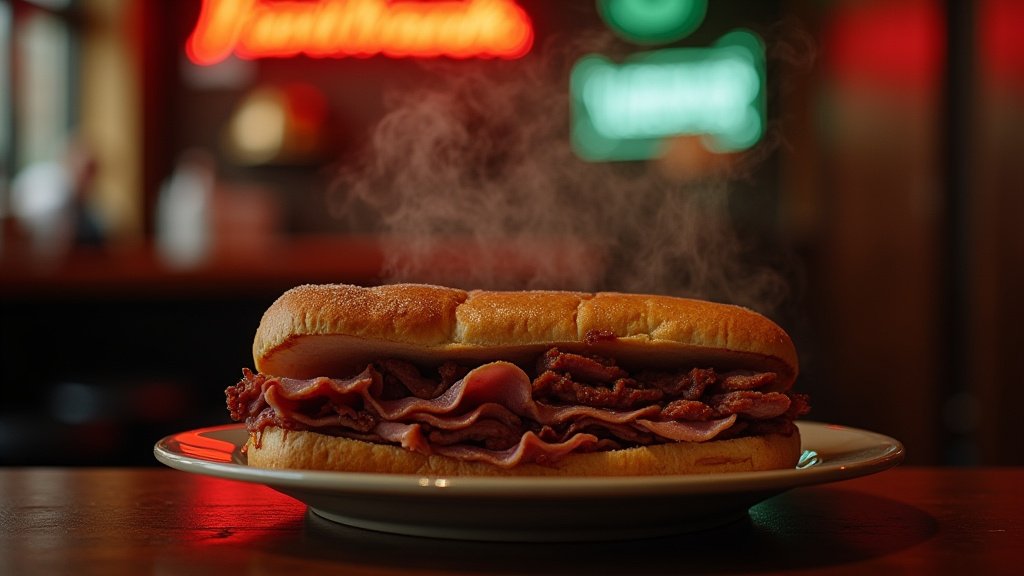
Behind the neon signs and the bustling dining room, the business of running a legendary Jewish deli is fraught with the harsh realities of modern economics. Marc Canter and his co-owners—sister Jacqueline Canter and cousin Terri Bloomgarden—face a constant struggle to balance legacy with viability. The labor-intensive nature of a full-service deli, combined with rising food costs and the overhead of maintaining a space that never sleeps, creates a challenging environment. Yet, Canter’s survives because it understands that it is selling more than just pastrami. It is selling an identity. They have navigated the post-pandemic landscape by leaning into the one thing that can’t be outsourced or automated: the human experience of the ‘regulars’—a mix of A-list celebrities and local residents who have been sitting in the same booths for decades.
Defining the Future of Legacy Institutions
As we look forward, the question for legacy establishments is whether they can transition from ‘old-school’ to ‘timeless.’ Canter’s has answered this by embracing its contradictions. It is a place where you can find a tech-savvy teenager filming a TikTok at 2:00 AM next to an industry veteran who has been eating there since the 1970s. This intergenerational bridge is the deli’s greatest asset. By maintaining the integrity of its menu—ensuring that a Reuben is still a Reuben and a matzo ball soup is still made with care—Canter’s provides a reliability that is scarce in the modern world. It is a reminder that in the rush toward the future, the most ‘futuristic’ thing a business can do is to hold onto the soul of its past.
FAQ: People Also Ask
1. What makes Canter’s Deli so famous compared to other LA delis?
Canter’s is famous for its massive menu, its 24/7 status (on weekends), and its deep-rooted history in the Los Angeles entertainment industry. Its location in the Fairfax District and its long association with rock history (specifically the Kibitz Room) give it a cultural cachet that few other restaurants possess.
2. Has Canter’s actually appeared in ‘Euphoria’?
Yes. The deli has served as a filming location for several major television shows, including the recent seasons of Euphoria, Curb Your Enthusiasm, and Mad Men, largely due to its authentic, vintage aesthetic which requires little to no set dressing.
3. What is the ‘Kibitz Room’ and why is it important?
The Kibitz Room is the attached lounge and bar at Canter’s. Historically, it was a legendary hangout for the Sunset Strip music scene, including the early days of Guns N’ Roses. It remains an active music venue and dive bar.
4. Is Canter’s still a family-owned business?
Yes, the deli is currently run by the descendants of the original founders, maintaining a family-owned legacy that has survived since 1931.